Protein Market Overview Rising Demand, Plant-Based Shift, and Key Players
The global protein market has entered a transformative phase, driven by rising health consciousness, sports nutrition demand, aging populations, and a growing shift toward sustainable food sources. From animal-based proteins to plant and microbial alternatives, protein has become a central component in food, nutraceutical, and fitness industries worldwide.
The global protein market size is expected to grow from USD 56.25 billion in 2025 to USD 108.76 billion by 2034, registering a CAGR of 7.6% during the forecast period (2025–2034).

Why Our Body Needs Protein
Protein is one of the body’s most essential macronutrients, required for countless biological functions. It acts as the building block of muscles, bones, skin, hair, and internal organs. Every cell in the human body contains protein, making it indispensable for growth, repair, and maintenance.
Beyond structural benefits, protein plays a key role in:
- Producing enzymes and hormones
- Supporting immune defense by forming antibodies
- Carrying oxygen through the blood via hemoglobin
A diet rich in protein helps improve metabolism, stabilize blood sugar levels, enhance cognitive performance, and support healthy aging. Whether in childhood growth, adult fitness, or senior muscle preservation, protein is crucial at every life stage.
Want to Explore More? Get a Free Sample Report Today! https://www.towardsfnb.com/download-sample/5744
Protein for Fitness & Muscle Growth
Protein is foundational for athletes and fitness enthusiasts due to its direct impact on muscle repair and development. During exercise especially resistance or strength training muscle fibers undergo stress and microscopic tears. Protein aids in rebuilding these fibers, making them stronger and more resilient over time.
Key advantages include:
- Faster post-workout recovery
- Increased muscle mass and strength
- Improved endurance and performance
- Reduced exercise-induced fatigue
Whey, casein, egg protein, and plant-based options like pea or soy are widely used in protein powders, shakes, and bars. For optimal performance, many rely on blends that support both rapid absorption (post-workout) and slow release (overnight muscle repair).
Protein Market Trends
- Shift Toward Plant-Based Proteins: Increasing demand for vegan, vegetarian, and flexitarian diets is driving growth in pea, soy, rice, and chickpea proteins. Manufacturers are focusing on improving taste and solubility for broader consumer acceptance.
- Functional & Fortified Foods: Protein-enriched snacks, cereals, beverages, and bakery products are gaining popularity as convenient sources of nutrition.
- Rise of Alternative Proteins: Microbial, algae, and insect proteins are emerging as sustainable solutions for global food security and environmental concerns.
- Premiumization & Clean Labels: Consumers prefer high-quality proteins with transparent sourcing, minimal processing, and health-focused benefits.
See Pricing and Personalize Your Report Today: https://www.towardsfnb.com/checkout/5744
Protein Market Dynamics
- Drivers
Key factors driving the protein market include increasing consumer health consciousness, rising fitness and wellness trends, and the growing adoption of high-protein diets for muscle growth, weight management, and aging support. The surge in demand for functional foods, ready-to-drink protein beverages, and fortified snacks also fuels market expansion.
- Opportunities
The market presents vast opportunities in plant-based and alternative proteins, including precision-fermented proteins, algae, and mycoprotein. Emerging regions with rising disposable income, changing dietary habits, and growing awareness about health and nutrition offer untapped potential for market players.
- Challenges
Despite growth, the market faces challenges such as fluctuating raw material costs, taste and texture issues in plant-based proteins, and consumer skepticism toward novel protein sources. Regulatory compliance and ensuring product safety in new protein categories also pose hurdles for manufacturers.
Protein Demand Rising Worldwide
The global demand for protein is increasing at an exceptional pace. Several factors are driving this surge:
- Growing focus on fitness and healthy living
- Increased awareness about nutrition and immunity
- Expanding consumer interest in high-protein snacks and beverages
- Rising popularity of plant-based and clean-label products
Younger generations, professionals, and aging populations are all shifting toward protein-rich diets. On retail shelves, everyday foods like pasta, yogurt, cereals, ice cream, and even bakery items now come in high-protein versions, reflecting evolving consumer expectations.
Choosing the Right Protein
Selecting the right protein depends on your health goals, dietary preferences, and lifestyle. Here are some factors to consider:
Source of Protein:
- Animal-based proteins like whey, casein, and eggs provide complete amino acids and high bioavailability.
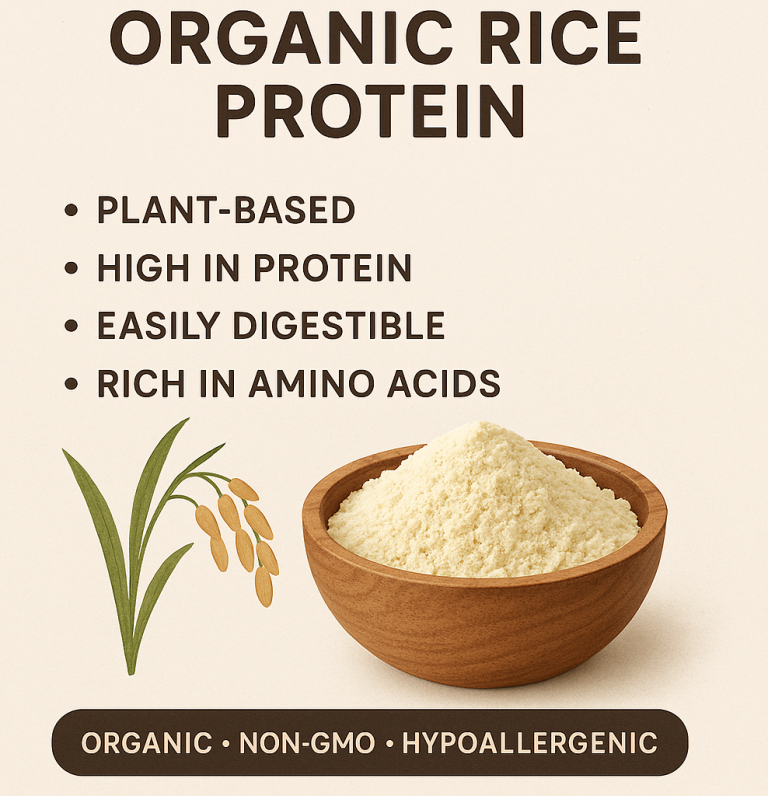
- Plant-based proteins such as pea, soy, rice, and hemp are ideal for vegans, vegetarians, or those with lactose intolerance.
Purpose and Timing:
- For muscle building, fast-absorbing proteins like whey are effective post-workout.
- For weight management or sustained energy, slow-digesting proteins like casein or mixed plant proteins are beneficial.
- Quality and Digestibility:
Look for high-quality protein isolates or concentrates that are easily digestible and free from artificial additives.
Lifestyle and Dietary Needs:
- Consider proteins that fit your personal goals whether it’s sports nutrition, immune support, or overall wellness.
Protein Market Regional Analysis
- North America
North America remains a leading region in protein consumption, driven by high health awareness, active lifestyles, and well-established sports nutrition markets. The United States and Canada are witnessing strong demand for protein powders, ready-to-drink shakes, protein bars, and functional foods. Consumers are increasingly seeking clean-label, plant-based, and innovative protein products, while regulatory frameworks ensure quality and safety. The region also serves as a hub for research and development, with companies investing in advanced protein formulations and alternative sources such as algae and fermentation-derived proteins.
- Europe
Europe is seeing rapid adoption of protein-enriched foods, particularly plant-based proteins, due to the growing popularity of vegan and flexitarian diets. Countries like Germany, the UK, and France lead the market in functional foods and sports nutrition products. Strict regulatory standards and strong labeling requirements ensure high product quality, which builds consumer trust. Sustainability is a key focus, with eco-friendly production and reduced carbon footprint becoming important factors influencing consumer choice.
- Asia-Pacific
Asia-Pacific presents one of the fastest-growing markets for protein due to rapid urbanization, rising disposable incomes, and increasing health consciousness. Countries like China, India, Japan, and Australia are witnessing a surge in demand for high-protein foods, supplements, and fortified beverages. The rise of fitness culture, coupled with awareness about aging, immunity, and weight management, is driving the protein market. Plant-based proteins and functional foods are gaining traction, and emerging middle-class populations are adopting premium and innovative protein solutions.
- Latin America
Latin America is experiencing steady growth in protein consumption as consumers increasingly focus on health and wellness. Countries like Brazil and Mexico are showing rising demand for dairy-based proteins, protein-enriched snacks, and sports nutrition products. The market growth is supported by increased retail availability, expanding e-commerce platforms, and government initiatives promoting nutrition awareness.
- Middle East & Africa
The Middle East and Africa are emerging markets for protein, driven by urbanization, lifestyle changes, and health awareness. Protein-fortified foods, dairy products, and sports nutrition supplements are gaining popularity among younger, health-conscious populations. The region is also witnessing growth in plant-based and alternative protein adoption due to sustainability concerns and the need for diverse dietary sources.
Need Expert Guidance? Schedule a Personalized Session Today: https://www.towardsfnb.com/schedule-meeting
Protein for Energy and Performance
Protein is often associated with muscle building, but its role in energy and overall performance is equally important. While carbohydrates are the body’s primary energy source, protein helps sustain endurance and prevent fatigue, especially during prolonged physical activity. Proteins are broken down into amino acids, which play a key role in repairing tissues and supporting the production of enzymes and hormones that regulate metabolism and energy levels.
Athletes and active individuals rely on protein not only for muscle recovery but also to improve stamina, strength, and performance. Combining protein with carbohydrates in meals or post-workout shakes helps optimize energy replenishment and reduces muscle soreness. Additionally, emerging protein blends that include fast- and slow-digesting proteins are designed to provide continuous energy support, making them ideal for endurance sports, high-intensity training, and daily fitness routines.
Protein Market Leading Companies
- ADM (Archer Daniels Midland)
- Cargill, Inc.
- DuPont (IFF)
- Kerry Group plc
- Glanbia plc
- Royal DSM N.V.
- Nestlé Health Science
- Arla Foods Ingredients
- Ingredion Incorporated
- Roquette Frères
- Now Foods
- Fonterra Co-operative Group
- Amway Corp.
- Burcon NutraScience
- MycoTechnology Inc.
- Puris Foods
- Givaudan (incl. Naturex)
- Bunge Limited
- Corbion N.V.
- Axiom Foods Inc.
Discover More Insights: https://www.foodbeveragestrategies.com/plant-based-alternatives-market/
Segments Covered in the Report
By Source
- Animal-Based Protein
- Whey Protein
- Casein & Caseinates
- Egg Protein
- Collagen Protein
- Gelatin
- Plant-Based Protein
- Soy Protein
- Pea Protein
- Rice Protein
- Hemp Protein
- Other Plant Proteins (Pumpkin, Sunflower, Fava Bean)
- Insect Protein
- Algae Protein (e.g., Spirulina, Chlorella)
- Fermentation-Derived & Cultured Proteins (Microbial, Fungal, Mycoprotein)
By Form
- Isolate
- Concentrate
- Hydrolysate
- Whole/Raw
By Application
- Food & Beverages
- Sports Nutrition
- Functional Foods
- Bakery & Confectionery
- Dairy Alternatives
- Meat Substitutes
- Infant Formula
- Pharmaceuticals & Medical Nutrition
- Animal Feed
- Personal Care & Cosmetics
- Industrial Applications (e.g., adhesives, films)
By End User
- Human Nutrition
- Animal Nutrition
- Industrial/Biotech
By Processing Method
- Wet Processing
- Dry Processing
- Enzymatic Hydrolysis
- Fermentation
By Distribution Channel
- Business-to-Business (B2B)
- Retail (B2C: Online, Supermarkets, Specialty Stores)
By Region
- North America
- Europe
- Asia Pacific
- Middle East & Africa
- Latin America
Future of the Protein Market
The future of the protein market is set to be shaped by innovation, sustainability, and personalization. While animal-based proteins will continue to hold a substantial market share, the fastest growth is expected from plant-based sources such as pea, soy, chickpea, rice, and hemp, alongside fermentation-derived proteins like mycoprotein and precision-fermented whey. Novel proteins, including algae and insect-based options, are also gaining traction as sustainable and high-efficiency alternatives. Key trends driving the industry include personalized nutrition tailored to age, body type, and fitness goals, environment-friendly production practices to reduce carbon footprint, and advances in technology that improve taste, texture, and digestibility.
Get unlimited access to reports and insights with an annual membership: https://www.towardsfnb.com/get-an-annual-membership
About Food Beverage Strategies
Food Beverage Strategies connects food and beverage innovations with intelligence to help global brands tackle their most challenging problems. With over 20 years of expertise, we provide data-driven insights, emerging trends, and strategic solutions that empower businesses in the food and beverage industry. Our tailored reports, in-depth analysis, and actionable strategies help clients stay ahead of the competition and boost profitability.
We offer comprehensive market insights, focusing on sustainability, innovation, and consumer behavior, to help businesses navigate the dynamic food and beverage landscape.