Sugar-Free Chocolates Market Size, and Redefining Indulgence with Health-Conscious Innovation
The global sugar-free chocolates market is steadily expanding as consumers increasingly seek healthier alternatives to traditional confectionery. The market was valued at USD 1.62 billion in 2025 and is projected to grow from USD 1.71 billion in 2026 to approximately USD 2.79 billion by 2035, registering a CAGR of 5.6% during the forecast period.
Sugar-free chocolates are formulated using natural or artificial sweeteners such as stevia, maltitol, erythritol, and sucralose, enabling consumers to enjoy chocolate without the adverse effects of high sugar intake. Rising concerns over diabetes, obesity, and calorie consumption, combined with a growing preference for low-sugar and keto-friendly diets, are significantly driving demand. Additionally, advancements in sweetener technology and flavor masking have improved the taste and texture of sugar-free chocolates, making them increasingly comparable to traditional variants and appealing to a broader consumer base.
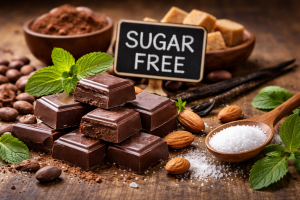
Sugar-Free Chocolates Market Overview
The sugar-free chocolates market is gaining steady momentum as consumers increasingly shift toward healthier indulgence options. This growth is largely driven by rising awareness of the health risks associated with excessive sugar consumption, including obesity, diabetes, and cardiovascular diseases. As a result, consumers are actively seeking low-calorie, sugar-free alternatives that allow them to enjoy chocolate without compromising their health goals.
From an industry perspective, manufacturers are focusing on innovation by incorporating natural and artificial sweeteners such as stevia, maltitol, and erythritol to replicate the taste and texture of traditional chocolates. The demand is particularly strong among health-conscious individuals, diabetic consumers, and weight watchers, while trends like clean-label products, plant-based diets, and functional foods are further shaping the market. With expanding retail distribution, growing e-commerce penetration, and increasing product diversification, the sugar-free chocolates market is evolving into a key segment within the broader confectionery industry.
Want to Explore More? Get a Free Sample Report Today!
https://www.towardsfnb.com/download-sample/6071
What Are Sugar-Free Chocolates?
Sugar-free chocolates are confectionery products made without added sugar, using alternative sweeteners to provide sweetness while reducing or eliminating the glycemic impact. Instead of traditional sugar (sucrose), these chocolates are formulated with natural sweeteners like stevia, monk fruit, and erythritol, or sugar alcohols such as maltitol and sorbitol. They are designed to deliver a similar taste and texture to regular chocolate while being suitable for people who need to limit sugar intake.
These chocolates are especially popular among diabetic consumers, health-conscious individuals, and those following low-calorie or low-carb diets. In addition to reducing sugar content, many sugar-free chocolates also focus on high cocoa content, clean-label ingredients, and functional benefits such as antioxidants. With improvements in food technology, modern sugar-free chocolates have significantly enhanced flavor profiles, making them a practical and enjoyable alternative to conventional chocolate.
Health Benefits in Sugar-Free Products
Here are simple head points with descriptions for Health Benefits of Coffee Extract in Sugar-Free Products:
- Provides Natural Energy Boost – Contains caffeine that helps increase alertness and reduce fatigue without added sugar.
- Rich in Antioxidants – Helps fight free radicals, supporting overall health and reducing oxidative stress.
- Supports Weight Management – Commonly used in low-calorie products, it may help boost metabolism and reduce calorie intake.
- Helps Maintain Blood Sugar Levels – Ideal for diabetic-friendly chocolates as it adds flavor without spiking glucose levels.
- Enhances Mental Focus – Improves concentration and cognitive performance due to its natural stimulant properties.
- Promotes Heart Health – Antioxidants in coffee extract may support better cardiovascular function.
- Reduces Cravings for Sugar – Strong coffee flavor can satisfy taste buds, lowering the need for added sugars.
- Improves Mood and Alertness – Helps elevate mood and reduce tiredness, making products more appealing for daily consumption.
Sugar-Free Chocolates Market Growth Factors
Rising Prevalence of Diabetes and Obesity
- The increasing number of people affected by diabetes and lifestyle-related disorders is a major driver, pushing demand for sugar-free and low-glycemic confectionery products.
Growing Health Awareness
- Consumers are actively reducing sugar intake due to awareness of its link to chronic diseases, boosting the popularity of guilt-free indulgence options like sugar-free chocolates.
Expansion of Low-Calorie and Keto Diet Trends
- The rise of keto, low-carb, and weight management diets has accelerated the adoption of sugar substitutes in chocolate products.
Innovation in Sweeteners and Formulations
- Improved taste profiles and reduced aftertaste of alternative sweeteners have enhanced consumer acceptance, encouraging repeat purchases.
Premiumization and Product Diversification
- Brands are launching premium sugar-free chocolates with exotic flavors, organic ingredients, and clean-label claims, attracting niche and affluent consumers.
See Pricing and Personalize Your Report Today: https://www.towardsfnb.com/checkout/6071
Types Used in Sugar-Free Chocolates
Here are the types used in sugar-free chocolates (in simple terms with descriptions):
- Dark Sugar-Free Chocolate – Made with high cocoa content and no added sugar, it offers a rich taste and is popular among health-conscious consumers.
- Milk Sugar-Free Chocolate – Contains milk solids and sugar substitutes, giving a creamy texture while keeping sugar levels low.
- White Sugar-Free Chocolate – Made from cocoa butter without cocoa solids, it has a sweet and smooth flavor using sugar alternatives.
- Organic Sugar-Free Chocolate – Produced using natural and chemical-free ingredients, appealing to clean-label and organic product consumers.
- Keto-Friendly Chocolate Designed for low-carb diets, using sweeteners like stevia or erythritol to fit keto lifestyles.
- Vegan Sugar-Free Chocolate – Made without dairy and sugar, using plant-based ingredients for vegan consumers.
- Functional Sugar-Free Chocolate – Enriched with added ingredients like coffee extract, protein, or vitamins for extra health benefits.
- Flavored Sugar-Free Chocolate – Includes added flavors such as coffee, mint, orange, or nuts to enhance taste variety.
Sugar-Free Chocolates Market Opportunities
Growth in Functional and Fortified Chocolates
- There is rising demand for chocolates infused with functional ingredients such as fiber, protein, vitamins, and probiotics.
Vegan and Plant-Based Product Development
- The intersection of vegan and sugar-free trends offers significant growth potential, especially with dairy-free formulations.
E-commerce Expansion
- Online platforms are enabling niche brands to reach health-conscious and diabetic consumers more effectively.
Emerging Market Penetration
- Countries in Asia Pacific and Latin America present untapped opportunities due to rising disposable income and urbanization.
Clean-Label and Natural Sweeteners
- Demand for natural sweeteners like stevia and monk fruit is creating opportunities for transparent, label-friendly products.
Why Sugar-Free Chocolates is Gaining Popularity
Sugar-free chocolates are gaining popularity mainly due to the growing awareness of health and wellness among consumers. People are becoming more conscious about their sugar intake because of rising concerns like diabetes, obesity, and lifestyle-related diseases. As a result, many are shifting toward healthier alternatives that allow them to enjoy sweets without compromising their health. Sugar-free chocolates, often made with natural sweeteners and functional ingredients like coffee extract, offer a guilt-free indulgence while supporting balanced diets such as keto or low-carb lifestyles.
Another key reason for their increasing demand is the improvement in taste, quality, and variety. Earlier, sugar-free products were often seen as less tasty, but modern formulations now deliver rich flavor and texture similar to regular chocolates. Additionally, the rise of clean-label trends, premium products, and innovative flavors has made these chocolates more appealing to a wider audience. With more brands focusing on natural ingredients and functional benefits, sugar-free chocolates are becoming a preferred choice for both health-conscious consumers and everyday snack lovers.
Top Companies in the Sugar-Free Chocolates Market
- Lindt & Sprüngli – Offers premium sugar-free chocolates using stevia and maltitol, focusing on high-quality indulgence.
- Hershey’s – Provides sugar-free chocolate bars targeting diabetic and health-conscious consumers globally.
- Ferrero – Develops reduced-sugar versions of popular products, combining taste with healthier formulations.
Other Prominent Companies
- Mars, Incorporated (US)
- Mondelez International (US)
- Nestlé (Switzerland)
- Cavendish & Harvey (Germany)
- Choc Zero (US)
Alter Eco (US)
These companies are focusing on product innovation, healthier ingredient sourcing, and expanding distribution channels to capture market share.
Need Expert Guidance? Schedule a Personalized Session Today: https://www.towardsfnb.com/schedule-meeting
Segmentation Analysis
By Application
- Confectionery – Dominates the market with a wide range of chocolate bars and candies.
- Baking – Growing use in home baking and commercial bakery products.
- Snacking – Increasing demand for on-the-go, healthy snack options.
- Desserts – Used in sugar-free desserts like cakes, mousse, and ice creams.
By End Use
- Retail – Largest segment driven by supermarkets, hypermarkets, and specialty stores.
- Food Service – Growing adoption in cafes, restaurants, and bakeries.
- Online Sales – Fastest-growing channel due to convenience and product variety.
By Packaging
- Bags – Popular for small snack-sized portions.
- Boxes – Preferred for premium and gifting options.
- Pouches – Convenient and resealable packaging format.
- Bulk – Used by food service and industrial buyers.
By Ingredient Type
- Natural Sweeteners – Includes stevia and monk fruit; gaining popularity due to clean-label appeal.
- Artificial Sweeteners – Includes sucralose and aspartame; widely used for cost efficiency.
- Cocoa Solids – Core ingredient providing flavor and texture.
- Emulsifiers – Improve consistency and shelf life.
By Consumer Demographics
- Health-Conscious Consumers – Largest segment focusing on low-sugar diets.
- Diabetic Consumers – Key target group driving consistent demand.
- Weight Watchers – Seeking low-calorie indulgence options.
- Vegan Consumers – Emerging segment with demand for plant-based, sugar-free chocolates.
Regional Insights
North America
- North America holds a significant share of the market due to high awareness of sugar-related health risks and strong demand for low-calorie products. The U.S. leads the region with a well-established market for dietary and functional foods, supported by widespread retail and e-commerce networks.
Europe
- Europe is a mature market with strong demand for premium and clean-label sugar-free chocolates. Countries like Germany, the UK, and Switzerland are key contributors, driven by a long-standing chocolate culture and increasing health consciousness.
Asia Pacific
- Asia Pacific is expected to witness the fastest growth due to rising disposable incomes, urbanization, and increasing prevalence of diabetes. Markets like China, India, and Japan are showing strong potential as consumers shift toward healthier alternatives.
Middle East & Africa (MEA)
- The MEA region is gradually adopting sugar-free products due to growing awareness of lifestyle diseases and increasing demand for premium confectionery. However, market penetration remains relatively low compared to developed regions.
Latin America
- Latin America is an emerging market driven by changing dietary habits and rising health awareness. Countries like Brazil and Mexico are leading growth, supported by expanding retail sectors.
Discover More Insights: https://www.foodbeveragestrategies.com/soluble-fiber-market-size/
Future Outlook
The sugar-free chocolates market is evolving as consumers seek a balance between indulgence and health. While growth is moderate compared to other functional food segments, the market holds strong potential driven by diabetes awareness, clean-label demand, and innovation in sweeteners.
Companies that focus on taste optimization, natural ingredients, and expanding into emerging markets will gain a competitive edge. As the industry moves toward functional, plant-based, and personalized nutrition trends, sugar-free chocolates are set to become a key segment in the future of healthier confectionery.
Unlock unlimited reports and insights with a yearly membership: https://www.towardsfnb.com/get-an-annual-membership
About Towards FnB
Towards FnB connects food and beverage innovations with intelligence to help global brands tackle their most challenging problems. With over 20 years of expertise, we provide data-driven insights, emerging trends, and strategic solutions that empower businesses in the food and beverage industry. Our tailored reports, in-depth analysis, and actionable strategies help clients stay ahead of the competition and boost profitability.
We offer comprehensive market insights, focusing on sustainability, innovation, and consumer behavior, to help businesses navigate the dynamic food and beverage landscape.
Contact Us https://www.towardsfnb.com/contact-us
Email: sales@towardsfnb.com