Dammar Gum Market Size, Growth Factors, and Future Opportunities
The global dammar gum market, valued at USD 2.65 billion in 2025, is anticipated to grow steadily, reaching an estimated USD 4.05 billion by 2035, with a compound annual growth rate (CAGR) of 4.32% during the forecast period from 2026 to 2035. Dammar gum, a natural resin sourced primarily from trees of the Shorea, Agathis, and Hopea species, has wide applications across industries, including food and beverages, pharmaceuticals, cosmetics, and paints. The increasing demand for varnishes, food additives, and traditional applications are key drivers of market growth.
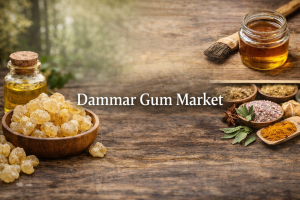
Dammar gum’s versatility and historical usage in various sectors position it as an essential natural resin in both modern and traditional applications. Its diverse applications, ranging from adhesives and varnishes to health-related uses, contribute significantly to its demand in multiple markets worldwide.
Want to Explore More? Get a Free Sample Report Today!
https://www.towardsfnb.com/download-sample/6087
Market Growth Factors
- Rising Demand for Natural Ingredients:
There has been a significant shift towards the use of natural ingredients in various industries, particularly in food, cosmetics, and healthcare. Consumers increasingly prefer products that contain natural, sustainable, and plant-derived ingredients. Dammar gum, derived from tree resins, fits perfectly into this trend, contributing to its growing popularity, especially in personal care and pharmaceutical products. - Increased Demand for Varnishes and Paints:
The demand for varnishes and paints is one of the significant drivers of the dammar gum market. Dammar gum is a key component in the production of high-quality varnishes, paints, and coatings due to its ability to enhance gloss and adhesion. The expansion of the global construction industry and the growing use of decorative coatings in furniture, automobiles, and other applications will further drive the demand for dammar gum in these sectors. - Expanding Pharmaceutical and Healthcare Sector:
Dammar gum is widely used in the pharmaceutical industry, particularly for its applications as a binding agent in tablets and as a coating for medications. The growing global population, combined with increased access to healthcare in developing regions, is expected to boost the demand for dammar gum in pharmaceutical applications. - Cosmetic and Personal Care Market Expansion:
The cosmetic and personal care industry has seen a surge in the use of natural ingredients, with consumers becoming more conscious of the products they apply to their skin. Dammar gum’s natural properties make it a desirable ingredient for cosmetics, skincare products, and personal care formulations. Its use in creams, lotions, and soaps is gaining popularity due to its emollient and stabilizing properties. - Traditional Applications and Aromatherapy:
Dammar gum has long been used in traditional applications, especially in incense and aromatherapy. The rising popularity of natural and holistic wellness products, along with the increasing demand for aromatherapy in the wellness and personal care sectors, has created new growth opportunities for dammar gum.
Opportunities in the Dammar Gum Market
- Product Innovation and Diversification:
Manufacturers can focus on the innovation of dammar gum products by enhancing their properties or developing new forms of processing. The introduction of modified dammar gum products, such as esterified and processed variants, could open new markets in industrial and specialty applications, increasing the overall market size. - Expanding Applications in the Food & Beverage Sector:
As demand for natural food preservatives and stabilizers grows, dammar gum can expand its presence in the food and beverage industry. It is used as a stabilizer, emulsifier, and thickening agent in a range of products, including sauces, beverages, and confectionery. With growing consumer preference for clean-label products, the food sector presents a significant opportunity for market players. - Growth in Emerging Markets:
The demand for dammar gum is expected to rise significantly in emerging markets, especially in Asia Pacific, Latin America, and the Middle East and Africa (MEA). These regions are experiencing rapid industrialization, increasing urbanization, and improving standards of living, all of which create opportunities for market growth. Establishing a stronger presence in these regions can help companies capitalize on untapped market potential. - Sustainability and Eco-friendly Manufacturing:
As sustainability becomes a key factor in the decision-making process for both manufacturers and consumers, companies that focus on environmentally friendly and sustainable harvesting and production of dammar gum are likely to benefit. Innovations in sustainable production methods can help reduce the environmental impact and cater to the growing demand for eco-conscious products. - Regulatory Support and Certifications:
Government policies and regulations that support the use of natural resins in food, cosmetics, and pharmaceutical products can provide further impetus for market growth. Certifications such as organic and eco-friendly labels can also create new opportunities for businesses in the dammar gum market, making it more attractive to consumers and businesses focused on sustainability.
Top Companies in the Dammar Gum Market
Several key players dominate the dammar gum market, with significant contributions across various industries. These companies are involved in the production, distribution, and innovation of dammar gum for a wide range of applications.
- Nexira Inc.
A global leader in the production of natural ingredients, Nexira Inc. offers a variety of resins, including dammar gum. The company focuses on sourcing high-quality ingredients and caters to sectors such as pharmaceuticals, cosmetics, and food & beverages. - Willy Benecke GmbH (Germany)
A key player in the European market, Willy Benecke GmbH specializes in the processing of natural resins like dammar gum. The company supplies high-quality gum for use in paints, varnishes, and other industrial applications. - PT Samiraschem Indonesia
Based in Indonesia, PT Samiraschem is a leading producer of dammar gum. It is known for its high-quality resins and has a strong presence in the pharmaceutical, cosmetic, and food sectors. - Sennelier (France)
Sennelier, a well-known French company, is recognized for its high-quality resins, including dammar gum. It is particularly prominent in the art and paint sectors, offering a wide range of products for artists and industrial applications. - Bandish Enterprises (India)
Bandish Enterprises is an Indian-based supplier of natural resins like dammar gum. The company focuses on the domestic market and provides high-quality products for use in incense, coatings, and varnishes. - Starlight
Starlight specializes in the production of a range of natural resins, including dammar gum, with applications in food, cosmetics, and industrial sectors. - William Bernstein Company
This company is known for producing high-quality resins, including dammar gum, which are widely used in the food, pharmaceutical, and paint industries. - Spectrum Chemical Manufacturing Corporation
Spectrum Chemical Manufacturing is a global distributor of fine chemicals and resins, including dammar gum, for various industrial and pharmaceutical applications.
Need Expert Guidance? Schedule a Personalized Session Today: https://www.towardsfnb.com/schedule-meeting
Segmentation Analysis
The dammar gum market can be segmented by source, type/processing, grade/quality, application, and region:
By Source:
- Shorea: The most common source of dammar gum, used extensively in industrial applications.
- Agathis: Another significant source, commonly used in incense and varnishes.
- Hopea: A less common source, but still used in specific applications.
- Others: Other lesser-known sources contributing to the market.
By Type/Processing:
- Natural Dammar Gum: This type of gum is used in food, pharmaceuticals, and cosmetics.
- Modified Dammar Gum: Processed or esterified dammar gum, used in industrial and specialty applications like adhesives, coatings, and inks.
By Grade/Quality:
- Food Grade: Used in food and beverage applications.
- Pharmaceutical Grade: Used in pharmaceutical formulations, including tablet coatings and binders.
- Cosmetic Grade: Utilized in cosmetics and personal care products.
- Industrial Grade: Used in paints, coatings, adhesives, and sealants.
By Application:
- Food & Beverages: Used as a stabilizer and thickener in food products.
- Pharmaceuticals & Healthcare: Used in drug formulation as a binder and coating.
- Cosmetics & Personal Care: Used for its moisturizing and stabilizing properties.
- Adhesives & Sealants: Used in the production of glues and sealants.
- Paints & Coatings / Varnish: Used in varnish and coating formulations.
- Incense & Aromatherapy: A key ingredient in incense sticks and essential oils.
- Printing Inks: Used in the production of ink formulations.
By Region:
- North America: Significant market growth driven by demand in the food, pharmaceutical, and personal care sectors.
- Europe: Growing demand in industrial applications and cosmetics.
- Asia Pacific: The largest market for dammar gum due to its traditional uses and growing industrial applications.
- MEA: Increasing demand for natural resins in cosmetics and food industries.
- Latin America: Expanding applications in food and cosmetics, with potential growth in industrial uses.
Discover More Insights: https://www.foodbeveragestrategies.com/vegetable-glycerin-market-size/
Future Outlook
The dammar gum market is poised for steady growth driven by its diverse applications across industries like food, pharmaceuticals, cosmetics, and paints. With an increasing focus on natural ingredients, sustainability, and eco-friendly production, the demand for dammar gum is expected to rise globally. Companies focusing on product innovation, market expansion in emerging regions, and the development of new processing techniques will be well-positioned to benefit from these market trends and opportunities.
Unlock unlimited reports and insights with a yearly membership: https://www.towardsfnb.com/get-an-annual-membership
About Towards FnB
Towards FnB connects food and beverage innovations with intelligence to help global brands tackle their most challenging problems. With over 20 years of expertise, we provide data-driven insights, emerging trends, and strategic solutions that empower businesses in the food and beverage industry. Our tailored reports, in-depth analysis, and actionable strategies help clients stay ahead of the competition and boost profitability.
We offer comprehensive market insights, focusing on sustainability, innovation, and consumer behavior, to help businesses navigate the dynamic food and beverage landscape.
Contact Us https://www.towardsfnb.com/contact-us
Email: sales@towardsfnb.com