Organic Pea Protein Market Size, Demand and Trends Analysis 2035
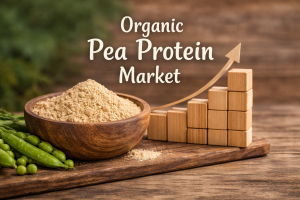
The global organic pea protein market was valued at USD 25.92 billion in 2025, and it is projected to grow to USD 86.06 billion by 2035, representing a CAGR of 12.75% during the forecast period from 2026 to 2035. This surge in demand is largely attributed to the growing global trend toward vegan and plant-based diets, as well as increasing consumer preferences for clean-label products free from artificial ingredients and allergens. Additionally, the rising awareness of the environmental and ethical benefits of plant-based foods is further fueling the market’s expansion.
The organic pea protein market has been experiencing rapid growth, driven by the increasing demand for plant-based proteins, particularly among consumers seeking allergen-free, clean-label, and sustainable alternatives to animal-based proteins. Organic pea protein is derived from peas through a natural extraction process, offering a high-quality, easily digestible protein that is rich in essential amino acids, making it an ideal choice for both plant-based diets and various food applications.
Want to Explore More? Get a Free Sample Report Today!
https://www.towardsfnb.com/download-sample/6089
What is Organic Pea Protein?
Organic pea protein is a plant-based protein derived from yellow peas (Pisum sativum), commonly known for its high protein content and rich nutritional profile. It is obtained through a natural extraction process that separates the protein from the peas, resulting in a powder that is typically used in a variety of food products and nutritional supplements. Unlike conventional pea protein, which may contain pesticides or synthetic fertilizers, organic pea protein is sourced from peas that are grown without the use of chemical pesticides, synthetic fertilizers, or genetically modified organisms (GMOs), making it a cleaner, more eco-friendly alternative.
Organic pea protein is rich in essential amino acids, making it a complete protein source, which is especially beneficial for vegetarians, vegans, or individuals with dietary restrictions. It is hypoallergenic, gluten-free, soy-free, and dairy-free, making it an ideal protein for people with food sensitivities or allergies. This type of protein is commonly used in plant-based meat alternatives, protein powders, bars, shakes, and other functional foods, offering a sustainable, high-quality alternative to animal-based proteins. Thanks to its digestibility and versatility, organic pea protein has gained popularity, particularly in the growing plant-based food market. It is also known for its environmental benefits, as peas require fewer resources (water, land, and energy) to grow compared to animal agriculture, making it a more sustainable choice for both health-conscious individuals and environmentally aware consumers.
Organic Pea Protein Market Growth Factors
Several key factors are driving the growth of the organic pea protein market:
1. Increasing Popularity of Plant-Based Diets
The global shift toward plant-based eating is one of the most significant growth drivers for the organic pea protein market. With consumers increasingly turning to plant-based diets for health, ethical, and environmental reasons, the demand for plant-derived proteins, particularly organic pea protein, has risen sharply. Pea protein is seen as a highly sustainable alternative to animal-based proteins and is known for its nutritional value, digestibility, and hypoallergenic properties.
2. Vegan and Allergen-Free Trends
Pea protein is naturally gluten-free, soy-free, and dairy-free, making it an ideal protein source for individuals with food allergies or intolerances. As consumers seek allergen-free products, pea protein has become a favored ingredient in various food categories, from plant-based meat alternatives to protein-rich snacks and beverages.
3. Clean-Label and Sustainable Food Innovations
The growing preference for clean-label products those that contain only simple, recognizable ingredients is another major factor contributing to the growth of the organic pea protein market. Pea protein aligns with the clean-label movement, as it is a minimally processed, natural ingredient. Additionally, pea farming is considered more sustainable compared to animal agriculture, with peas requiring less water, land, and energy to grow, making it a popular choice for environmentally conscious consumers.
4. Rising Demand for Nutritional Supplements
As consumers continue to prioritize fitness, wellness, and overall health, the demand for plant-based protein supplements, including organic pea protein, has surged. Whether in protein powders, bars, or shakes, pea protein offers a high-quality, easily digestible source of protein for athletes, fitness enthusiasts, and those looking to increase their protein intake.
Health Benefits of Organic Pea Protein
Organic pea protein offers a range of health benefits, making it an excellent choice for individuals seeking a plant-based, allergen-free, and nutrient-dense protein source. Below are the key health benefits of incorporating organic pea protein into your diet:
1. Supports Muscle Growth and Repair
Organic pea protein is a high-quality, complete protein source, meaning it contains all nine essential amino acids required by the body. This makes it particularly beneficial for muscle growth, repair, and recovery. It is often used by athletes, fitness enthusiasts, and those who engage in strength training to help build and maintain lean muscle mass. The amino acids in pea protein, especially branched-chain amino acids (BCAAs), support muscle repair after exercise and promote overall muscle function.
2. Promotes Heart Health
Organic pea protein is heart-healthy, as it has been shown to help lower blood pressure and improve overall cardiovascular health. The protein in peas is known to help reduce cholesterol levels by improving lipid profiles and supporting healthy blood flow. Additionally, pea protein contains a range of essential nutrients, such as magnesium and potassium, which are vital for maintaining healthy blood vessels and heart function.
3. Aids in Weight Management
Pea protein can help with weight management due to its high satiety value. When consumed as part of a balanced diet, it can help you feel fuller for longer, reducing overall calorie intake. This is beneficial for individuals looking to manage or reduce their weight. Furthermore, organic pea protein is low in fat and carbohydrates, making it an ideal choice for people following weight loss programs or low-carb diets.
4. Improves Digestive Health
Organic pea protein is easily digestible and gentle on the digestive system, making it a great option for individuals with sensitive stomachs or those who experience bloating and discomfort from other protein sources. It also promotes gut health by providing prebiotic fiber, which supports the growth of beneficial bacteria in the digestive tract, leading to better digestion and improved gut microbiome health.
5. Helps in Blood Sugar Regulation
Pea protein can contribute to better blood sugar control due to its low glycemic index. This means that it does not cause rapid spikes in blood sugar levels after consumption. Including organic pea protein in your diet can help stabilize blood sugar levels, which is particularly beneficial for people with type 2 diabetes or those at risk of developing it.
See Pricing and Personalize Your Report Today: https://www.towardsfnb.com/checkout/6089
Uses in Food and Beverages for Protein-rich meals and drinks
Organic pea protein is increasingly being used in a variety of food and beverage products, primarily due to its high protein content, versatility, and nutritional benefits. It is especially popular in protein-rich meals and drinks, catering to the growing demand for plant-based, allergen-free, and sustainable options. Here’s an overview of how organic pea protein is being incorporated into food and beverages:
- Plant-Based Meat Alternatives: One of the most prominent uses of organic pea protein is in plant-based meat substitutes. As more people opt for vegan or vegetarian diets, the demand for meat alternatives has soared. Pea protein serves as the key ingredient in many plant-based meat products, such as burgers, sausages, meatballs, and nuggets. It provides the necessary texture and protein content, closely mimicking the mouthfeel of animal-based meat. Pea protein is a preferred choice in these applications because it offers a neutral flavor, allowing it to blend well with other ingredients while providing a rich source of plant-based protein.
- Protein-Rich Snacks and Bars: Organic pea protein is widely used in protein bars and snack products, which are increasingly popular among fitness enthusiasts, athletes, and people on-the-go. Pea protein adds a substantial amount of protein to snacks like granola bars, protein bites, chips, and crisps, making them a convenient option for those seeking a high-protein, low-fat snack. These snacks often cater to consumers with dietary restrictions, as they are typically free from dairy, gluten, and soy, making them ideal for a wide range of dietary needs.
- Smoothies and Protein Shakes: Another popular use of organic pea protein is in protein shakes and smoothies, which are commonly consumed by those looking to increase their protein intake, whether for muscle recovery, weight management, or overall health. Pea protein powders can be easily added to smoothies and shakes, providing a smooth texture and a potent protein boost. They are available in various flavors and are often used by athletes or those with active lifestyles to help meet their daily protein requirements.
- Dairy Alternatives: Organic pea protein is also a key ingredient in plant-based dairy alternatives, such as pea milk, plant-based yogurts, and cheese alternatives. Pea milk, for example, is gaining popularity as a dairy-free alternative to cow’s milk. It is rich in protein, calcium, and other essential nutrients, offering a nutritionally balanced option for consumers who are lactose intolerant or prefer vegan diets. Pea protein is also used in plant-based ice creams and creamers, providing a creamy texture and nutritional benefits similar to traditional dairy products.
- Baked Goods: Incorporating organic pea protein into baked goods is another innovative use. Pea protein can be added to products like bread, muffins, cookies, and cakes to boost their protein content. It is particularly popular in gluten-free and plant-based baked goods. The protein helps improve the structure and texture of these products, while also enhancing their nutritional profile, making them more appealing to health-conscious consumers who are looking for functional foods.
Organic Pea Protein Market Opportunities
The organic pea protein market presents numerous opportunities for innovation and growth:
Expansion in Emerging Markets
- While North America and Europe remain the dominant markets for organic pea protein, there are significant growth opportunities in emerging regions like Asia Pacific and Latin America. As the middle class expands in these regions and awareness of plant-based diets grows, demand for organic and allergen-free proteins will likely increase, creating new opportunities for market players.
Product Diversification
- There is considerable potential for product diversification in the organic pea protein market. Manufacturers can explore new product forms and applications, including pea protein-based snacks, plant-based dairy alternatives, and ready-to-drink beverages. Moreover, the development of functional food products with additional health benefits, such as digestive or immune support, can attract health-conscious consumers.
Collaborations with Food and Beverage Manufacturers
- With the rise of plant-based eating and clean-label preferences, there is an increasing opportunity for partnerships between organic pea protein suppliers and food and beverage manufacturers. Collaborations can lead to the development of innovative food products that cater to the growing demand for plant-based, allergen-free, and sustainable options.
Technological Advancements in Production
- The advancement of processing technologies for extracting and refining pea protein can improve product yield, texture, and overall quality. Companies that invest in R&D to enhance processing techniques and make organic pea protein more versatile will be well-positioned to meet the evolving needs of the market.
Why Organic Pea Protein is Popular
Organic pea protein has gained significant popularity in recent years due to a combination of health, sustainability, and dietary trends. Here are the key reasons why organic pea protein is becoming a preferred choice for consumers:
- Plant-Based and Vegan-Friendly: As more people embrace plant-based diets, organic pea protein has emerged as a top alternative to animal-based proteins. It is naturally vegan, making it suitable for those following vegetarian, vegan, or flexitarian diets. The increasing demand for plant-based products, driven by ethical, environmental, and health considerations, has made pea protein a staple in the plant-based food and supplement market.
- Allergen-Free and Digestible: Organic pea protein is hypoallergenic, meaning it is free from common allergens such as dairy, soy, and gluten. This makes it an excellent choice for individuals with food sensitivities or intolerances. Additionally, pea protein is easy to digest compared to some other protein sources like whey or soy, which can cause digestive discomfort in some people. This digestibility factor is one of the primary reasons it’s favored by individuals with sensitive stomachs.
- Nutrient-Dense and High in Protein: Organic pea protein is a rich source of high-quality protein, containing all nine essential amino acids, making it a complete protein. This makes it highly beneficial for muscle growth, repair, and overall wellness. Unlike other plant-based proteins, pea protein offers a great balance of protein, iron, and other essential nutrients, making it ideal for athletes, fitness enthusiasts, and health-conscious individuals.
- Supports Sustainability: With increasing awareness about environmental impact, consumers are shifting toward more sustainable protein sources. Organic pea protein is a sustainable option because it is made from peas, which require fewer natural resources to grow compared to animal-based proteins. Peas need less water, land, and energy to cultivate, and they also improve soil health by fixing nitrogen, reducing the need for chemical fertilizers. As such, organic pea protein appeals to eco-conscious consumers who want to make more sustainable food choices.
- Clean-Label and Non-GMO: The growing consumer demand for clean-label products, which are free from artificial ingredients and chemicals, has also contributed to the popularity of organic pea protein. Since organic pea protein is produced without synthetic pesticides or fertilizers, it aligns with the clean-label trend. Additionally, as an organic product, it is also non-GMO (genetically modified organisms), making it an attractive choice for those who prioritize natural and non-modified foods.
Top Companies in the Organic Pea Protein Market
Several leading companies are driving the growth of the organic pea protein market with innovative products and strong market positioning:
- Emsland Group: Known for its pea protein isolates and concentrates, Emsland Group supplies clean-label ingredients for various applications, including food, beverages, and meat alternatives, across global markets.
- Vestkorn Milling AS: A key player in the production of functional pea proteins and starches, Vestkorn focuses on sustainable production methods and delivering high-quality, plant-based nutrition solutions.
- Roquette Frères: A global leader in plant-based ingredients, Roquette offers pea protein products that cater to the growing demand for plant-based proteins in food and beverage formulations.
- The Scoular Company: Scoular supplies organic pea protein concentrates and isolates, providing high-quality plant-based protein ingredients for a range of applications, including nutritional supplements.
- Louis Dreyfus Company: A major supplier of pea protein and other plant-based proteins, Louis Dreyfus plays a significant role in meeting the demand for organic pea protein in the global market.
- Burcon Nutra Science Corporation: Known for its innovative extraction technologies, Burcon offers high-quality pea protein isolates that serve the growing demand for plant-based protein solutions.
- Nutri-Pea: A leading supplier of pea protein products, Nutri-Pea offers pea protein isolates and concentrates that are widely used in food and beverage formulations.
- Sotexpro: Specializes in the production of organic pea protein and other plant-based proteins for a variety of applications, including functional foods and supplements.
- Kerry Group Plc.: A global nutrition company, Kerry Group produces a wide range of plant-based protein products, including organic pea protein, for food and beverage applications.
- PURIS: A pioneer in plant-based protein ingredients, PURIS supplies high-quality organic pea protein that supports the growing demand for plant-based foods and supplements.
Need Expert Guidance? Schedule a Personalized Session Today: https://www.towardsfnb.com/schedule-meeting
Segmentation Analysis
The organic pea protein market is segmented into several categories based on product type, form, application, and region.
By Type
- Isolates: Pea protein isolates are the purest form of pea protein, containing around 85-90% protein, making them ideal for use in a variety of food and beverage applications.
- Concentrates: Pea protein concentrates contain around 50-60% protein and are used in a wide range of products, including snacks, beverages, and meat alternatives.
- Textured: Textured pea protein is used primarily in meat substitutes, offering a meat-like texture in plant-based food products.
By Form
- Dry: Dry pea protein is the most common form used in supplements and food products, as it is easy to handle, store, and process.
- Liquid: Liquid pea protein is used in beverage applications and for consumers who prefer liquid nutrition supplements.
By Application/End-Use
- Food & Beverages: The largest application segment, with organic pea protein used in plant-based meat alternatives, protein bars, snacks, and dairy alternatives.
- Nutritional Supplements: Pea protein is a key ingredient in protein powders, shakes, and other nutritional supplements for athletes and health-conscious consumers.
- Animal Feed: Pea protein is also used as a sustainable protein source in animal feed, especially in livestock and poultry farming.
Regional Information
North America
- North America, particularly the United States, dominates the organic pea protein market due to the growing demand for plant-based proteins, especially in the vegan and vegetarian communities. The region also benefits from an increasing number of health-conscious consumers seeking allergen-free, clean-label products.
Europe
- Europe is a significant market for organic pea protein, with countries like Germany, France, and the UK leading the charge. The rising trend of veganism, alongside a strong preference for sustainable and environmentally friendly food choices, drives the demand for organic pea protein in the region.
Asia Pacific
- The Asia Pacific region is experiencing rapid growth in the organic pea protein market, particularly in countries like China, India, and Japan, as awareness of plant-based diets and sustainability increases. The growing middle class and urbanization are also contributing to the demand for plant-based protein products.
MEA
In the Middle East and Africa, the demand for plant-based proteins is growing, driven by health and wellness trends, as well as the increasing availability of plant-based food products.
Latin America
- Latin America is an emerging market for organic pea protein, with countries like Brazil and Mexico seeing increased interest in plant-based foods and nutrition supplements.
Discover More Insights: https://www.foodbeveragestrategies.com/vitamin-k2-market-size/
Future Outlook
The organic pea protein market is poised for significant growth, driven by the increasing demand for plant-based, allergen-free, and sustainable protein sources. As consumer preferences continue to shift toward healthier, cleaner, and more sustainable eating habits, organic pea protein is well-positioned to capture a significant share of the global protein market. With key players continuing to innovate and expand their offerings, the market’s future looks promising, offering numerous opportunities for both established companies and new entrants in the industry.
Email: sales@towardsfnb.com