Cane Sugar Market Size, Trends, Share and Innovations 2035
The cane sugar market sits at the intersection of agriculture, food processing, and global trade. Despite growing conversations around sugar reduction and alternative sweeteners, cane sugar continues to hold a strong position due to its widespread use, affordability, and deep integration into food and beverage manufacturing.
According to recent estimates, the global cane sugar market was valued at USD 60.5 billion in 2025 and is projected to grow from USD 62.68 billion in 2026 to nearly USD 86.17 billion by 2035, expanding at a CAGR of 3.6% during the forecast period. This steady growth reflects a combination of rising consumption, strong beverage industry expansion, and continued demand from emerging economies.
Cane Sugar Market Overview
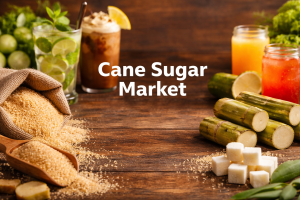
Cane sugar is derived from sugarcane and is one of the most widely consumed sweeteners globally. It is available in multiple forms raw, refined, white, and brown and serves as a key ingredient across industries such as food processing, beverages, bakery, confectionery, and dairy. What keeps cane sugar relevant is its versatility and cost efficiency. From carbonated drinks and packaged foods to traditional sweets and home cooking, cane sugar remains deeply embedded in global consumption patterns.
While developed markets are witnessing gradual shifts toward low-sugar or alternative sweeteners, developing regions continue to drive volume growth. Additionally, the rise of organic and minimally processed sugars (like brown and raw sugar) is reshaping consumer perception and opening new premium segments.
Want to Explore More? Get a Free Sample Report Today!
https://www.towardsfnb.com/download-sample/6086
What is Cane Sugar?
Cane sugar is a natural sweetener that is extracted from the sugarcane plant, a tall tropical grass widely grown in countries like India, Brazil, and Thailand. It mainly consists of sucrose, a type of carbohydrate that provides quick energy to the body. After harvesting, sugarcane is crushed to extract its juice, which is then processed, purified, and crystallized to form the sugar we commonly use in our daily lives.
This type of sugar is one of the most commonly used sweeteners around the world and is found in a wide range of foods and beverages, from tea and coffee to baked goods and soft drinks. Cane sugar is available in different forms such as raw sugar, white refined sugar, and brown sugar, each varying slightly in taste, texture, and level of processing. Its natural origin and versatility make it a staple ingredient in both households and the food industry.
Cane Sugar Market Growth Factors
1. Strong Demand from the Beverage Industry
- The beverage sector is one of the largest consumers of cane sugar. Carbonated drinks, fruit juices, energy drinks, and flavored beverages rely heavily on sugar for taste and formulation stability. As global beverage consumption continues to grow especially in Asia Pacific and Latin America so does the demand for cane sugar.
2. Rising Global Population and Urbanization
- Population growth, coupled with rapid urbanization, is increasing the demand for packaged and processed foods. Urban consumers tend to consume more ready-to-eat products, many of which contain cane sugar as a core ingredient.
3. Expansion of the Food Processing Industry
- The expansion of bakery, confectionery, dairy, and convenience food sectors is significantly contributing to sugar demand. Products like cakes, cookies, chocolates, yogurt, and ice cream rely on sugar not just for sweetness but also for texture, preservation, and color.
4. Affordability and Accessibility
- Compared to alternative sweeteners, cane sugar remains relatively affordable and widely available. This makes it a preferred choice for both manufacturers and consumers, especially in price-sensitive markets.
5. Growing Demand for Natural and Organic Products
- Consumers are increasingly shifting toward organic and less-refined sugar options, such as brown sugar and raw cane sugar. This trend is driving innovation and premiumization within the market.
Nutritional Value of Cane Sugar
Cane sugar is primarily a source of carbohydrates, specifically sucrose, which provides quick energy to the body. One teaspoon (about 4 grams) of cane sugar contains roughly 16 calories and no fat, protein, or fiber. It does not offer significant amounts of vitamins or minerals, although less refined forms like raw or brown cane sugar may contain trace amounts of minerals such as calcium, potassium, and iron due to the presence of molasses.
Despite being a fast energy source, cane sugar is often considered “empty calories” because it lacks essential nutrients. Consuming it in moderation is important, as excessive intake can contribute to health issues such as weight gain, high blood sugar levels, and an increased risk of conditions like diabetes and heart disease. For a balanced diet, it’s best to limit added sugars and rely more on naturally nutrient-rich foods.
See Pricing and Personalize Your Report Today: https://www.towardsfnb.com/checkout/6086
Industrial Applications of Cane Sugar
Cane sugar plays a vital role in various industrial applications beyond simple household use. In the food and beverage industry, it is widely used as a primary sweetener in products such as soft drinks, bakery items, confectionery, dairy products, and processed foods. It not only adds sweetness but also enhances texture, color, and shelf life. For example, in baking, cane sugar helps with browning and moisture retention, while in beverages, it ensures a consistent taste and balance of flavors.
Beyond food processing, cane sugar is also used in industries like pharmaceuticals, cosmetics, and biofuels. In pharmaceuticals, it acts as a base ingredient in syrups and medicines to improve taste and stability. In cosmetics, sugar is used in scrubs and skincare products for its natural exfoliating properties. Additionally, sugarcane byproducts such as molasses are used in the production of ethanol, which serves as a renewable energy source. This wide range of applications highlights cane sugar’s importance as a versatile industrial raw material.
Types of Cane Sugar
When it comes to industrial use, cane sugar isn’t a one-size-fits-all deal. Different types are used depending on the job at hand:
- Raw Cane Sugar – Less processed and contains natural molasses; commonly used in large-scale food processing and fermentation industries.
- Refined White Sugar – Highly purified and the most widely used type in beverages, bakery products, and confectionery for its clean taste and consistency.
- Brown Sugar – Contains added or retained molasses; used in bakery, sauces, and flavored products for its rich color and caramel-like taste.
- Liquid Sugar – Pre-dissolved sugar solution used in soft drinks, dairy products, and pharmaceuticals for easy mixing and uniform sweetness.
- Invert Sugar – A mix of glucose and fructose; widely used in confectionery and beverages to improve shelf life and prevent crystallization.
- Molasses – A thick byproduct of sugar production; used in alcohol production, animal feed, and fermentation industries.
- Specialty Sugars (Caster, Icing, etc.) – Fine or powdered sugars used in bakery, desserts, and processed foods for specific textures and finishes.
Each type brings something different to the table, and that’s what keeps the wheels turning across multiple industries.
Opportunities in the Cane Sugar Market
Premium and Specialty Sugar Segments
- There is a growing market for specialty sugars such as organic, non-GMO, fair-trade, and minimally processed variants. These products cater to health-conscious consumers willing to pay a premium for perceived quality and sustainability.
Emerging Markets Expansion
- Countries in Asia Pacific, Africa, and Latin America present strong growth opportunities due to rising incomes, changing dietary habits, and expanding retail infrastructure.
Technological Advancements in Processing
- Innovations in sugar refining and processing technologies are helping companies improve yield, reduce waste, and enhance product quality. Automation and digitalization in sugar mills are also improving efficiency.
Diversification into By-products
- Sugar companies are increasingly exploring revenue streams from by-products such as molasses, ethanol, and bioenergy. This not only improves profitability but also supports sustainability goals.
Sustainable and Ethical Sourcing
- Sustainability is becoming a key differentiator. Companies investing in eco-friendly farming practices, water conservation, and fair trade sourcing are gaining competitive advantage in global markets.
Why Cane Sugar Remains Popular?
Cane sugar remains popular mainly because of its natural origin and familiar taste. Many consumers prefer it over artificial sweeteners or highly processed alternatives because it is derived directly from sugarcane plants. Its clean, sweet flavor works well in almost every type of food and drink, from tea and coffee to baked goods and desserts, making it a trusted choice in both households and the food industry.
Another reason for its continued demand is its wide availability and versatility. Cane sugar is produced on a large scale across many countries, which keeps it accessible and relatively affordable. It also comes in different forms like white, brown, and raw sugar, allowing users to choose based on their needs. Despite growing health awareness, its traditional use, ease of use, and consistent performance in cooking and food processing help it maintain a strong position in the global market.
Top Companies Shaping the Market
The cane sugar market is highly competitive, with a mix of global giants and regional players.
- Florida Crystals Corporation (ASR Group) – Known for refined, organic, and raw cane sugar products.
- Dalmia Bharat Group – A key Indian player offering a wide range of sugar products including sulphur-free sugar.
- Wilmar International Limited – A major global agribusiness with diversified sugar offerings.
- Mitr Phol Sugar Corporation Ltd. – One of Asia’s largest sugar producers with a strong product portfolio.
- Louis Dreyfus Company B.V. – A global merchant and processor of agricultural goods including sugar.
Need Expert Guidance? Schedule a Personalized Session Today: https://www.towardsfnb.com/schedule-meeting
Segmentation Analysis
By Ingredient Type
- White Cane Sugar: Dominates the market due to its widespread use in households and food processing.
- Brown Cane Sugar: Gaining popularity due to its natural image and minimal processing.
- Others: Includes raw sugar and specialty sugars used in niche applications.
By Category
- Organic: Fast-growing segment driven by health-conscious consumers.
- Conventional: Holds the largest share due to affordability and mass consumption.
By Form
- Crystallized Sugar: Most common form, widely used across industries.
- Liquid Syrup: Preferred in beverages and industrial applications for easy blending and consistency.
By End-User
Retail
- Supermarkets and hypermarkets dominate distribution.
- Online retail is growing rapidly due to convenience and expanding e-commerce penetration.
Foodservice
- Restaurants, cafes, and catering services rely heavily on bulk sugar supplies.
Food Processing
- Bakery & Confectionery: Cakes, pastries, cookies, candies, chocolates.
- Dairy: Ice cream, yogurt, milkshakes.
- Beverages: Carbonated drinks, juices, tea, coffee, alcoholic beverages.
- Others: Sauces, condiments, savory snacks.
Regional Insights
Asia Pacific
- Asia Pacific dominates the cane sugar market, driven by large populations in countries like India and China. India, in particular, is one of the largest producers and consumers of cane sugar. The region benefits from favorable climatic conditions for sugarcane cultivation and a strong domestic demand base.
North America
- The North American market is relatively mature but stable. Demand is supported by the food and beverage industry, although there is a gradual shift toward low-calorie and alternative sweeteners.
Europe
- Europe is witnessing moderate growth, with increasing demand for organic and sustainably sourced sugar. Regulatory pressures around sugar consumption are influencing product reformulation in the food industry.
Latin America
- Latin America is a key sugar-producing region, with Brazil being a global leader. The region benefits from large-scale sugarcane cultivation and strong export capabilities.
Middle East & Africa (MEA)
- MEA is an emerging market with increasing sugar consumption due to urbanization and changing dietary habits. Import dependency remains high in several countries, creating opportunities for global suppliers.
Discover More Insights: https://www.foodbeveragestrategies.com/low-gi-honey-market-size/
Future Outlook
The cane sugar market is evolving rather than declining. While health concerns and regulatory pressures are pushing for reduced sugar consumption in some regions, the overall global demand remains strong especially in emerging economies and industrial applications.
What’s changing is the type of sugar consumers prefer. There is a clear shift toward organic, less-refined, and sustainably sourced products. At the same time, manufacturers are innovating to balance taste, cost, and health considerations. In the coming years, companies that invest in sustainability, product diversification, and emerging markets will be best positioned to capture growth in this steady yet transforming market.
Unlock unlimited reports and insights with a yearly membership: https://www.towardsfnb.com/get-an-annual-membership
About Towards FnB
Towards FnB connects food and beverage innovations with intelligence to help global brands tackle their most challenging problems. With over 20 years of expertise, we provide data-driven insights, emerging trends, and strategic solutions that empower businesses in the food and beverage industry. Our tailored reports, in-depth analysis, and actionable strategies help clients stay ahead of the competition and boost profitability.
We offer comprehensive market insights, focusing on sustainability, innovation, and consumer behavior, to help businesses navigate the dynamic food and beverage landscape.
Contact Us https://www.towardsfnb.com/contact-us
Email: sales@towardsfnb.com