Gourmet Salt Market Size, Trends and Growth Analysis
The global gourmet salt market, valued at approximately USD 1.98 billion in 2025, is expected to grow steadily over the next decade. It is forecasted to increase from USD 2.08 billion in 2026 to nearly USD 3.21 billion by 2035, growing at a compound annual growth rate (CAGR) of 4.95%. This growth is driven by several factors, most notably the growing culinary exploration and the expansion of the hospitality sector. Gourmet salts are unique, high-quality salts, often used in cooking and finishing dishes, giving chefs and home cooks a way to enhance flavor, texture, and visual appeal. As culinary enthusiasts seek more unique and authentic ingredients, the demand for gourmet salts continues to rise.
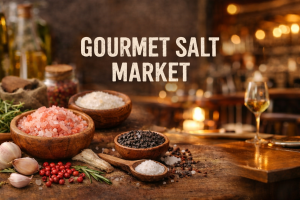
Gourmet Salt Market Overview
The gourmet salt market has been growing steadily as consumers increasingly seek high-quality ingredients to elevate their culinary experiences. These specialty salts, often sourced from natural and mineral-rich environments, have gained popularity for their ability to enhance the flavor, texture, and visual appeal of food. Unlike regular table salt, gourmet salts are harvested using traditional methods, such as sea evaporation or hand-mining, which preserves their natural properties. The market for these premium salts is expanding as more people embrace food exploration, with chefs and home cooks alike turning to gourmet salts to create unique flavor profiles and add a touch of luxury to their dishes.
The rising demand for gourmet salt can be attributed to the growth of the hospitality and restaurant industries, as well as the increasing awareness of the benefits of unrefined and organic ingredients. Additionally, there is a growing trend toward health-conscious eating, with consumers opting for salts that contain beneficial minerals and lower sodium content. With the wide variety of flavors and textures offered by gourmet salts, including Himalayan salt, Fleur de Sel, and smoked salts, the market is well-positioned for continued growth, as more people look for ways to enhance their cooking while also prioritizing quality and sustainability in their ingredient choices.
Want to Explore More? Get a Free Sample Report Today!
https://www.towardsfnb.com/download-sample/6073
What is Gourmet Salt?
Gourmet salt refers to high-quality salts that are often used in cooking and food preparation to enhance flavor, texture, and presentation. Unlike regular table salt, gourmet salts are typically harvested using traditional methods, such as evaporation from seawater or mining from salt deposits. These salts often retain their natural minerals, which can give them distinctive flavors and textures. They come in various forms, such as crystals, flakes, or coarse grains, and can be used in both cooking and as finishing salts to add a final touch to dishes.
Common types of gourmet salts include Himalayan salt, Fleur de Sel, Sel Gris, and smoked salts, each with unique characteristics. Gourmet salts are often valued for their purity, unrefined nature, and the way they can enhance the taste of foods without overwhelming them. They are popular in both home cooking and professional kitchens, particularly in high-end restaurants, as they add a more complex flavor profile and visual appeal to dishes like meats, vegetables, baked goods, and desserts.
Gourmet Salt Market Growth Factors
1. Culinary Exploration and Demand for Premium Products
The growing trend of culinary exploration, where consumers are becoming more adventurous with their food choices, has contributed to the demand for gourmet salts. Home cooks and professional chefs alike are embracing different flavors and textures in their dishes, with gourmet salts providing a way to elevate dishes in terms of both taste and presentation. Consumers are willing to invest in premium products that offer unique culinary experiences, and gourmet salts are a key part of this trend.
2. Growth of the Hospitality Sector
The expansion of the hospitality industry, particularly in restaurants, hotels, and catering services, has played a significant role in the growth of the gourmet salt market. As dining experiences evolve and restaurants seek to differentiate themselves with unique and premium offerings, gourmet salts are being used to enhance the quality and appeal of dishes. Whether it’s a pinch of Himalayan salt on a steak or Fleur de Sel sprinkled on pastries, gourmet salts are being increasingly incorporated into the menus of high-end establishments.
3. Consumer Health Consciousness
In addition to the gourmet appeal, the growing consumer awareness around health and wellness has made salts like low-sodium, organic, and mineral-rich varieties more attractive. For example, products like Himalayan salt are not only valued for their flavor but also for their mineral content, positioning them as a healthier alternative to regular table salt.
4. E-commerce and Direct-to-Consumer Sales
The rise of online shopping and e-commerce platforms has made it easier for consumers to access a variety of gourmet salts from around the world. Many premium brands now sell their products directly to consumers via their websites or popular marketplaces, providing consumers with convenient access to these unique products. This increase in availability has further fueled market growth.
Health Benefits of Gourmet Salt
Gourmet salt, particularly varieties like Himalayan salt and Celtic sea salt, is often considered a healthier alternative to regular table salt due to its mineral-rich composition. Unlike processed table salt, which is stripped of most of its natural minerals, gourmet salts contain a variety of beneficial trace elements such as potassium, magnesium, and calcium. These minerals can help balance electrolytes in the body, support muscle function, and maintain hydration levels. The presence of these minerals is especially valuable for those looking to improve their overall health without compromising on flavor.
Additionally, some types of gourmet salt, like Himalayan salt, are believed to have detoxifying properties. It is thought that the salt can help draw out toxins from the body, although scientific evidence on this claim remains limited. Another health benefit is that gourmet salts typically contain less sodium than regular table salt, especially when used in larger crystals or flakes, which can help individuals reduce their sodium intake while still enjoying the flavor enhancement. This can be particularly beneficial for those managing blood pressure or looking to cut back on processed foods. While gourmet salts should still be consumed in moderation, they offer a more natural and mineral-rich option for seasoning food.
See Pricing and Personalize Your Report Today: https://www.towardsfnb.com/checkout/6073
Characteristics of Gourmet Salt
-
Unrefined: Many gourmet salts are harvested without extensive processing, which helps preserve the natural minerals like magnesium, calcium, and potassium that contribute to their distinct flavor profiles.
-
Flavor: Gourmet salts are known for their more complex, nuanced flavors compared to common table salt. For example, Himalayan salt has a slightly sweet and earthy taste, while smoked salts can provide a rich, smoky flavor.
-
Texture: Gourmet salts often have a larger grain or flake size, which can create a satisfying crunch when used as a finishing touch on dishes. This texture can also enhance the sensory experience when eating.
-
Variety: There are various types of gourmet salts, including:
-
Himalayan Salt: Known for its pink color and mineral content.
-
Fleur de Sel: A delicate, hand-harvested sea salt with a light, flaky texture.
-
Sel Gris: A moist, grey salt harvested from French sea beds, known for its mineral-rich taste.
-
Flavored Salt: Salt infused with herbs, spices, or even smoked flavors for added complexity in cooking.
-
Uses of Gourmet Salt:
-
Cooking: Used to season and enhance the flavor of foods during preparation.
-
Finishing: Often sprinkled on dishes just before serving to add a burst of flavor and texture.
-
Baking: Adds a touch of salt to desserts or baked goods, creating a contrast to sweetness.
-
Garnishing: A popular choice for garnishing meats, vegetables, and even cocktails like margaritas.
Gourmet salt is valued for its ability to elevate the taste of both simple and complex dishes, making it a favorite among chefs and culinary enthusiasts. It’s not only prized for flavor but also for its aesthetic appeal, adding a touch of elegance to food.
Opportunities in the Gourmet Salt Market
Rising Demand for Flavored and Smoked Salts
- With consumers continuously seeking more diverse flavors and experiences, flavored salts (such as truffle, chili, and smoked varieties) are seeing a significant rise in popularity. These salts provide an easy way to add bold, unique flavors to meals, allowing consumers to experiment with different cuisines and cooking techniques at home. As this trend grows, producers of flavored salts have an opportunity to create innovative, new products to cater to a more adventurous market.
Health-Conscious Consumers and Low Sodium Options
- Health-conscious consumers are increasingly seeking low-sodium or sodium-free salts as alternatives to traditional table salt. Organic and naturally sourced gourmet salts, such as Himalayan salt and Celtic sea salt, are being marketed as healthier choices due to their lower sodium content and richer mineral profiles. Companies focusing on creating healthier salt alternatives can tap into a growing segment of health-conscious consumers.
Global Expansion of Culinary Tourism
- Culinary tourism, where travelers visit destinations known for their unique food experiences, has surged in recent years. This provides an opportunity for gourmet salt producers to market their products as part of the local cuisine, offering tourists a taste of the region’s culinary heritage. For example, Fleur de Sel from France and various Himalayan salts are highly sought after by tourists, opening new avenues for sales and branding.
Customization and Gourmet Salt Blends
- As the demand for personalized products increases, there is an opportunity for companies to offer customized gourmet salt blends. Consumers can create their own unique salt blends with various herbs, spices, and flavors, providing a personal touch to their cooking. This offers an opportunity for niche markets within the gourmet salt industry, such as gift sets and personalized kitchen products.
Why Gourmet Salt is Becoming Popular?
Gourmet salt is becoming increasingly popular due to its ability to elevate the flavor, texture, and visual appeal of food. Unlike regular table salt, gourmet salts are often unrefined and contain a variety of natural minerals that contribute to a more complex and nuanced taste. These salts are sourced from pristine environments, such as salt mines or seawater, using traditional harvesting methods that preserve their purity. As people become more adventurous in the kitchen and seek unique culinary experiences, gourmet salts offer an easy way to enhance dishes, whether used during cooking or as a finishing touch.
Additionally, the rising trend of health-conscious eating has played a significant role in the growing popularity of gourmet salts. Many varieties, such as Himalayan salt, are believed to have health benefits due to their mineral content, including trace elements like magnesium and potassium. As consumers become more mindful of the ingredients they use in their food, gourmet salts offer a cleaner, more natural alternative to highly processed table salt. This shift toward natural and organic products has further fueled the demand for gourmet salts, making them a popular choice among both home cooks and professional chefs.
Top Companies in the Gourmet Salt Market
Several key players are dominating the global gourmet salt market, each contributing to its growth through high-quality products, innovative offerings, and strategic marketing.
1. True Salt
True Salt is a well-known Arizona-based company that produces all-natural salt, including flake, fine grain, and kosher salt, for both home cooking and professional kitchens. Their commitment to natural, high-quality ingredients has helped them carve out a niche in the gourmet salt market.
2. Maldon Salt Company
Maldon Salt Company is a family-run business based in England, widely recognized for its premium Maldon Sea Salt Flakes. The company’s range includes products such as smoked sea salt, chili sea salt, and garlic sea salt, catering to both baking and savory cooking needs. Their salts are renowned for their distinct texture and clean flavor.
3. Falksalt
Based in Sweden, Falksalt offers a range of fine salts and classic sea salt flakes. Their products are designed for use in retail, gourmet, and food service industries. Falksalt is particularly known for its high-quality, mineral-rich salts that elevate both home and professional cooking.
4. Celtic Sea Salt
Celtic Sea Salt, based in Arden, produces mineral-rich sea salts such as Fine Ground Celtic Sea Salt, Flower of the Ocean, and Light Grey Celtic. Their products are ideal for culinary applications and have become popular among consumers seeking organic and natural options.
Other Notable Companies
- ITC
- Himalayan Chef
- ContextLogic
- SaltWorks
- Utz Brands
- The Spice Lab
- Plus Brand
- Redmond Real Salt
- Terviva
- La Baleine
- PACHA
- Biena
- MALK Organics
- Blue Diamond
- US Foods
- Woodland Gourmet
Need Expert Guidance? Schedule a Personalized Session Today: https://www.towardsfnb.com/schedule-meeting
Segmentation Analysis
By Product Type
- Himalayan Salt: Known for its pink color and rich mineral content, Himalayan salt is one of the most popular types of gourmet salt, particularly for use in health-conscious cooking.
- Fleur de Sel: This high-quality sea salt is harvested by hand from the surface of seawater and is prized for its delicate texture and subtle flavor, often used in high-end culinary applications.
- Sel Gris: Also known as grey salt, this unrefined sea salt is collected from the bottom of salt ponds and has a distinctive grey color and rich flavor.
- Smoked & Roasted Salt: This category includes salts that have been smoked over wood fires or roasted to add an extra layer of flavor, often used in grilling and barbecuing.
- Flavored Salt: Flavored salts, such as truffle salt or chili salt, are becoming increasingly popular for adding unique flavors to dishes.
- Others: This includes niche and regional salts used in various culinary traditions.
By Category
- Refined: Refined gourmet salts are processed to remove impurities, creating a finer texture suitable for certain applications.
- Unrefined: Unrefined salts, such as sea salts, retain their natural minerals and flavors, appealing to health-conscious consumers.
By Claim
- Organic: Organic gourmet salts, often sourced from natural sea beds, appeal to consumers looking for products with minimal processing and no additives.
- Sodium-Free/Low Sodium: With growing health concerns, many consumers are opting for low-sodium or sodium-free salts as a healthier alternative.
- Conventional: Conventional gourmet salts are typically processed in standard methods but are still of high quality and used in various applications.
By Application
- Bakery & Confectionery: Gourmet salts are used in bakery products to enhance flavor, especially in premium or artisanal products.
- Meat, Poultry & Seafood: Many high-end meat and seafood dishes are enhanced with gourmet salts, offering a unique finishing touch.
- Soups, Sauces & Savory: Salts are used in soups, sauces, and savory dishes to balance flavors and enhance the overall taste.
- Others: This category includes salts used in snacks, garnishes, and specialized applications like chocolate making.
Discover More Insights: https://www.foodbeveragestrategies.com/rice-snacks-market-size/
Regional Analysis
- North America: North America is a significant market for gourmet salts, driven by growing consumer interest in high-end culinary products and health-conscious options.
- Europe: Europe, especially countries like France, Spain, and the UK, has a rich history of gourmet salt production, making it a strong market for premium salts.
- Asia Pacific: Asia Pacific is expected to experience rapid growth, driven by changing culinary preferences and an increasing interest in gourmet cooking.
- MEA (Middle East and Africa): The Middle East, in particular, is seeing a rise in the use of gourmet salts as the food culture becomes more diversified.
- Latin America: Latin America is a growing market, with increasing consumption of premium foods and a rising trend toward healthy eating.
Future Outlook
The gourmet salt market is experiencing steady growth driven by the rise of culinary exploration, the expansion of the hospitality industry, and the growing demand for premium, health-conscious products. As consumers increasingly seek unique and flavorful ingredients, gourmet salts are positioned to play a key role in both home and professional kitchens. The market presents significant opportunities, particularly in emerging regions, and top players like True Salt, Maldon Salt Company, and Falksalt are well-positioned to capitalize on this growth. As the market continues to diversify, companies offering innovative and health-oriented products will likely lead the charge.
Unlock unlimited reports and insights with a yearly membership: https://www.towardsfnb.com/get-an-annual-membership
About Towards FnB
Towards FnB connects food and beverage innovations with intelligence to help global brands tackle their most challenging problems. With over 20 years of expertise, we provide data-driven insights, emerging trends, and strategic solutions that empower businesses in the food and beverage industry. Our tailored reports, in-depth analysis, and actionable strategies help clients stay ahead of the competition and boost profitability.
We offer comprehensive market insights, focusing on sustainability, innovation, and consumer behavior, to help businesses navigate the dynamic food and beverage landscape.
Contact Us https://www.towardsfnb.com/contact-us
Email: sales@towardsfnb.com