Hydrolyzed Vegetable Protein Market Size, Demand and Analysis
The global hydrolyzed vegetable protein market was valued at approximately USD 3.45 billion in 2025 and is expected to grow steadily over the forecast period. Projections indicate the market will rise to USD 3.70 billion in 2026 and could reach up to USD 6.88 billion by 2035, expanding at a CAGR of 7.15% throughout the period from 2026 to 2035.
Hydrolyzed vegetable protein (HVP) is a product made by breaking down vegetable protein (soy, wheat, corn, pea, etc.) into smaller peptides and amino acids, which can then be used as a flavor enhancer, emulsifier, and for other functional properties in food products. The hydrolyzed vegetable protein market has witnessed significant growth in recent years due to the growing demand for processed food and beverages, the rising trend of veganism, and the need for natural flavoring agents in the food industry.
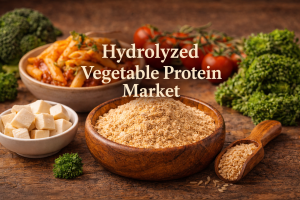
Hydrolyzed Vegetable Protein Market Overview
The global hydrolyzed vegetable protein market has been gaining momentum due to its expanding use in the food and beverage industry, particularly in processed foods such as soups, sauces, snacks, and meat substitutes where it functions as a natural flavor enhancer and protein source. HVP delivers a savory umami taste and improved nutritional profile, aligning with consumer preferences for plant‑based and clean‑label ingredients. The market is also bolstered by urbanization, busy lifestyles, and growing demand for convenient, tasty, and nutritionally balanced products, driving food manufacturers to incorporate HVP in a wide range of formulations.
From a quantitative standpoint, the market is projected to expand steadily over the forecast period, supported by increasing demand for plant‑derived proteins and flavor enhancers worldwide. While estimates vary across research sources, most industry predictions point to significant growth over the next decade, fueled by rising vegan and vegetarian diets, heightened health awareness, and innovations in protein hydrolysis technology. Regional dynamics show Asia Pacific and North America as key growth hubs, driven by expanding food processing sectors and rising consumer spending on protein‑rich and plant‑based foods.
Want to Explore More? Get a Free Sample Report Today!
https://www.towardsfnb.com/download-sample/6054
What is Hydrolyzed Vegetable Protein?
Hydrolyzed Vegetable Protein (HVP) is a plant-based protein that has been broken down into smaller peptides and amino acids through a process called hydrolysis. This process involves using water and sometimes enzymes or acids to break down the complex proteins found in vegetables like soy, wheat, corn, or pea into simpler, more digestible components. The result is a flavorful, concentrated source of protein that is commonly used as a flavor enhancer or umami-rich additive in various food products. HVP is known for its ability to impart a savory taste and improve the texture of food without the need for artificial flavoring.
Because HVP is derived from plant sources, it is a popular ingredient in vegetarian and vegan products, providing a plant-based alternative to animal-derived proteins. It is widely used in processed foods, such as soups, sauces, snacks, and meat substitutes, for its flavor-enhancing properties. Additionally, it is often included in dietary supplements and functional foods due to its easily digestible and nutritious amino acid profile.
Hydrolyzed Vegetable Protein Market Growth Factors
Several factors are contributing to the growth of the hydrolyzed vegetable protein market:
- Rising Demand for Processed Foods: As consumers increasingly prefer convenient, ready-to-eat, and packaged food, there is a growing demand for hydrolyzed vegetable protein as a flavor enhancer. HVP is often used in soups, sauces, snacks, processed meats, and other food products to provide a rich umami flavor.
- Increasing Veganism and Vegetarianism: The surge in vegan and vegetarian diets globally is driving the demand for plant-based protein sources. Hydrolyzed vegetable protein, derived from plants like soy, wheat, and pea, is a popular choice among consumers seeking alternative proteins for flavor and nutritional benefits.
- Health and Nutritional Benefits: Hydrolyzed vegetable protein offers essential amino acids and peptides, making it a desirable ingredient for protein fortification in food products. It helps meet the growing consumer demand for high-protein, health-conscious food options.
- Food Industry Focus on Clean Labels: With an increasing preference for clean-label and natural food products, hydrolyzed vegetable protein is gaining popularity due to its natural flavor-enhancing properties and ability to substitute artificial flavoring agents.
Hydrolyzed Vegetable Protein in Beauty Products
Hydrolyzed vegetable protein (HVP) is increasingly used in beauty products due to its beneficial properties for both skin and hair. In skincare, HVP functions as a moisturizing and conditioning agent. Its small peptides and amino acids penetrate the skin easily, helping to retain moisture, improve elasticity, and enhance texture, leading to smoother, more hydrated skin. It is also used in some formulations to strengthen the skin’s natural barrier, providing protection against environmental stressors.
In haircare, hydrolyzed vegetable protein is valued for its ability to strengthen and repair hair. It helps improve hair’s moisture retention and adds smoothness, shine, and elasticity, making it a key ingredient in shampoos, conditioners, and treatments aimed at damaged or dry hair. Additionally, its plant-based nature aligns with the growing consumer preference for natural, sustainable beauty products, making it an ideal choice for those seeking eco-friendly and clean beauty solutions.
Hydrolyzed Vegetable Protein in Supplements
Hydrolyzed vegetable protein (HVP) is also used in dietary supplements, particularly in products focused on protein enrichment, muscle recovery, and overall nutritional support. Because the hydrolysis process breaks down proteins into smaller peptides and amino acids, HVP is easier for the body to digest and absorb compared with intact plant proteins. This makes it a popular choice in protein powders, meal replacements, and sports nutrition formulas where rapid amino acid availability can support muscle repair and recovery after exercise.
Its plant‑based origin makes HVP especially appealing for individuals following vegan, vegetarian, or plant‑forward diets who want to ensure sufficient protein intake without relying on animal sources. Additionally, HVP’s rich amino acid profile contributes to overall wellness by supporting immune function, metabolic processes, and healthy cell maintenance, making it a versatile ingredient in both everyday and performance‑oriented supplements.
See Pricing and Personalize Your Report Today: https://www.towardsfnb.com/checkout/6054
Health Benefits of Hydrolyzed Vegetable Protein
Hydrolyzed Vegetable Protein (HVP) offers several health benefits due to its nutritional profile and functional properties.
- High in Amino Acids: HVP is rich in essential amino acids, which are the building blocks of proteins. These amino acids are crucial for muscle repair, immune function, and overall body growth. Because it’s hydrolyzed, HVP is easier to digest and absorb, providing a more accessible source of amino acids compared to whole vegetable proteins.
- Easily Digestible: The hydrolysis process breaks down protein into smaller peptides and amino acids, making it easier for the body to digest and absorb. This can be particularly beneficial for people with digestive issues or those who have trouble processing larger proteins.
- Supports Plant-Based Diets: For individuals following vegan or vegetarian diets, HVP provides a plant-based source of protein that helps meet daily protein requirements. It can be used as a meat substitute, providing a savory umami flavor, while also contributing to the overall nutritional balance of plant-based meals.
- Rich in Peptides: HVP contains peptides that can have beneficial effects on health, such as promoting the absorption of nutrients, boosting metabolism, and supporting cardiovascular health. Some studies suggest that certain peptides in hydrolyzed proteins may help in reducing blood pressure and improving gut health.
- Low in Fat and Calories: HVP is a low-calorie and low-fat option for those looking to increase their protein intake without adding excess fat or calories to their diet. It’s often included in health-focused and weight-management products for this reason.
Opportunities in the Hydrolyzed Vegetable Protein Market
The market offers several lucrative opportunities:
- Expanding Applications in Meat Substitutes: As plant-based diets continue to rise, there is an increasing demand for meat alternatives. HVP is being used in the formulation of meat substitutes like plant-based burgers and sausages, offering a savory taste and enhancing the texture of these products.
- Product Innovation and R&D: Companies are investing in the development of innovative HVP products to cater to the evolving consumer tastes. Innovations include hydrolyzed vegetable protein from novel sources like pea and corn, as well as products with enhanced functional properties for use in vegan and gluten-free products.
- Geographical Expansion: The market offers growth opportunities in regions like Asia Pacific, where there is a growing middle class with increased consumption of processed and convenience foods. Companies can expand their footprints by targeting emerging markets.
- Sustainability Initiatives: As sustainability becomes a priority in food production, there is an increasing emphasis on plant-based proteins that require less resource-intensive cultivation compared to animal-based proteins. This positions hydrolyzed vegetable protein as an environmentally friendly choice in the food industry.
Why Hydrolyzed Vegetable Protein is Gaining Popularity
Hydrolyzed vegetable protein (HVP) is gaining popularity due to its ability to enhance the flavor of food products naturally, providing a rich, umami taste without the need for artificial additives. As consumers become more health-conscious and increasingly seek clean-label products, HVP, derived from plant-based sources like soy, wheat, corn, and pea, fits perfectly with the rising demand for natural ingredients. Additionally, its versatility in applications from flavoring agents in soups and sauces to emulsifiers in processed foods makes it a valuable ingredient across various segments of the food industry, including meat substitutes and baked goods.
Another key factor driving the growth of the HVP market is the rising trend of plant-based diets, as more individuals opt for vegan and vegetarian lifestyles for health, ethical, and environmental reasons. HVP provides a high-quality, plant-derived protein that is easily digestible, making it an attractive alternative to animal-based proteins. It also aligns with the increasing consumer demand for sustainable, eco-friendly food options, offering a lower environmental impact compared to traditional animal proteins. As the demand for plant-based and clean-label products continues to grow, the popularity of hydrolyzed vegetable protein is expected to rise significantly.
Top Companies in the Hydrolyzed Vegetable Protein Market
- Ajinomoto Co., Inc.: A leading global manufacturer of amino acids and umami seasonings, Ajinomoto specializes in soy-based hydrolyzed vegetable protein products, such as M-2000, which are widely used in savory food products.
- Kerry Group Plc: With over 80 years of experience in protein hydrolysates, Kerry Group offers a diverse portfolio of hydrolyzed vegetable proteins used in flavorings and savory applications. Their innovation in protein hydrolysates makes them a key player in the global market.
- Aipu Food Industry: A significant supplier of hydrolyzed vegetable proteins, Aipu focuses on providing soy-based proteins for use in various food applications, including processed foods and beverages.
- Titan Biotech: Titan is known for its high-quality, plant-based protein hydrolysates, offering both wheat and soy-based hydrolyzed vegetable proteins in the global food industry.
- Cargill Inc.: Cargill is one of the world’s largest producers of agricultural products, and its hydrolyzed vegetable protein offerings are widely used in food processing, meat substitutes, and savory applications.
- Roquette Frères: Roquette is a key player in the HVP market, particularly in plant-based proteins, with a focus on sustainable sourcing and innovative hydrolyzed vegetable protein solutions for a variety of food and beverage applications.
- DSM: DSM offers hydrolyzed vegetable proteins as part of its portfolio of food ingredients, with a focus on sustainability and providing natural solutions for the food and beverage industry.
- Tate & Lyle: Known for its food ingredients and sweeteners, Tate & Lyle also provides hydrolyzed vegetable protein products, catering to the demand for clean-label solutions in processed food.
- ADM (Archer Daniels Midland): ADM is a leading player in the food industry, offering hydrolyzed vegetable protein products derived from soy, corn, and wheat, used primarily for flavoring applications.
- Griffith Foods: Griffith Foods focuses on innovation in flavor technology, including the use of hydrolyzed vegetable protein to create rich, savory flavors in a wide range of food applications.
- MGP: MGP is a significant supplier of wheat-based hydrolyzed vegetable protein for use in processed food products, with a strong reputation for quality and sustainability.
Need Expert Guidance? Schedule a Personalized Session Today: https://www.towardsfnb.com/schedule-meeting
Segmentation Analysis
The hydrolyzed vegetable protein market can be divided based on source, application, function, and region.
By Source:
- Soy: The largest segment, soy is the most widely used source for hydrolyzed vegetable protein due to its rich amino acid profile and widespread availability.
- Wheat: Wheat-based hydrolyzed vegetable proteins are often used for flavoring in bakery and processed food applications.
- Corn: Corn is gaining traction as a source of hydrolyzed vegetable protein, especially in the food and beverage industry.
- Pea: Pea-based HVP is increasingly popular in the vegan and plant-based food markets due to its high protein content and allergen-free profile.
- Others: Other sources like rice and canola are also being explored, although they represent a smaller share of the market.
By Application:
- Bakery & Confectionery: Hydrolyzed vegetable protein is used in baked goods for flavor enhancement and texture improvement.
- Processed Food Products: This segment is the largest application area, with HVP being used in soups, sauces, snacks, and other ready-to-eat food items.
- Meat Substitutes: With the growing demand for plant-based diets, HVP is increasingly used in meat alternative products like plant-based burgers and sausages.
- Beverages: Hydrolyzed vegetable protein is used in beverages like energy drinks and soups for flavor and nutritional benefits.
- Others: This includes applications in pet foods, dietary supplements, and more.
By Function:
- Flavoring Agent: HVP is primarily used for flavor enhancement, providing a savory umami taste in food and beverages.
- Emulsifying Agent: HVP is used as an emulsifier in various food products to improve texture and consistency.
- Others: Other functions include acting as a protein fortifier or texture modifier.
Regional Information
North America:
- The North American market is driven by the increasing demand for processed and convenience foods, particularly in the United States. The rising trend of plant-based diets is also significantly contributing to the growth of the market.
Europe:
- Europe has witnessed substantial growth in the HVP market, especially in the vegan and vegetarian food sectors. Countries like the UK, Germany, and France are key consumers, with increasing awareness of plant-based protein options.
Asia Pacific:
- The Asia Pacific region, especially countries like China, India, and Japan, is expected to experience the highest growth in the hydrolyzed vegetable protein market. The rise in urbanization, disposable income, and the growing popularity of plant-based diets are key growth drivers.
MEA (Middle East and Africa):
- The Middle East and Africa are emerging markets for HVP, with growing demand in the food and beverage sectors due to increasing population and changing dietary habits.
Latin America:
- In Latin America, the HVP market is expanding with increasing consumption of processed food products and rising demand for plant-based proteins in countries like Brazil and Argentina.
Discover More Insights: https://www.foodbeveragestrategies.com/beer-adjuncts-market-size/
Future Outlook
The global hydrolyzed vegetable protein market is poised for steady growth, driven by consumer demand for processed food products, plant-based diets, and clean-label solutions. Companies that focus on innovation, sustainability, and expanding their regional presence are expected to capitalize on the growing opportunities in the market. As consumer preferences evolve, the demand for HVP is likely to continue expanding, particularly in applications like meat substitutes and health-conscious food products.
Unlock unlimited reports and insights with a yearly membership: https://www.towardsfnb.com/get-an-annual-membership
About Towards FnB
Towards FnB connects food and beverage innovations with intelligence to help global brands tackle their most challenging problems. With over 20 years of expertise, we provide data-driven insights, emerging trends, and strategic solutions that empower businesses in the food and beverage industry. Our tailored reports, in-depth analysis, and actionable strategies help clients stay ahead of the competition and boost profitability.
We offer comprehensive market insights, focusing on sustainability, innovation, and consumer behavior, to help businesses navigate the dynamic food and beverage landscape.
Contact Us https://www.towardsfnb.com/contact-us
Email: sales@towardsfnb.com