Low-GI Honey Market Size, Growth and Forecast Analysis
The global low-GI honey market reached USD 1.52 billion in 2025 and is projected to grow from USD 1.60 billion in 2026 to USD 2.52 billion by 2035, registering a CAGR of 5.2% during the forecast period. This growth is largely driven by increasing consumer awareness around healthy sugar alternatives, along with rising adoption of clean-label and natural food products. As consumers move away from refined sugar, low-GI honey is becoming a preferred option in both household consumption and industrial applications.
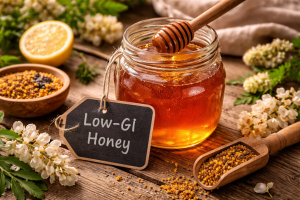
Low-Glycemic Index (Low-GI) honey is a healthier alternative to regular sugar and high-GI sweeteners. It releases glucose slowly into the bloodstream, making it suitable for people managing diabetes, weight, and overall wellness. With the rising shift toward natural and functional foods, low-GI honey is gaining strong traction across global markets.
Low-GI Honey Market Overview
The low-GI honey market is gaining steady attention as consumers increasingly look for healthier alternatives to traditional sugar. Low-glycemic honey is known for its ability to release energy slowly, making it a preferred choice for people managing blood sugar levels and following balanced diets. The shift toward natural, minimally processed ingredients has further strengthened its demand across both household and commercial applications. As awareness around clean-label products grows, low-GI honey is becoming an essential ingredient in modern food and wellness trends.
The market is also benefiting from its expanding use across multiple industries such as food and beverages, nutraceuticals, personal care, and pharmaceuticals. Manufacturers are introducing organic and infused variants to cater to evolving consumer preferences for taste and functionality. Additionally, the rise of health-conscious lifestyles and increasing demand for functional foods are encouraging innovation and product diversification. This ongoing shift is positioning low-GI honey as a versatile and valuable ingredient in the global natural sweeteners market.
Want to Explore More? Get a Free Sample Report Today!
https://www.towardsfnb.com/download-sample/6070
What is Low-GI Honey?
Low-GI honey is a type of honey that has a low glycemic index (GI), meaning it releases sugar into the bloodstream slowly rather than causing a rapid spike in blood glucose levels. It is considered a healthier alternative to regular sugar and high-GI sweeteners, especially for people who want to manage their energy levels, weight, or blood sugar. This type of honey is often derived from specific floral sources like acacia or certain raw and minimally processed varieties that naturally have a lower GI value.
Unlike refined sugar, low-GI honey retains natural nutrients, enzymes, and antioxidants, making it more than just a sweetener. It not only adds sweetness to foods and beverages but also provides functional health benefits. Because of its balanced energy release and natural composition, it is widely used in health-focused diets, diabetic-friendly products, and clean-label food formulations.
Low-GI Honey Market Growth Factors
1. Rising Health Awareness
- Consumers are becoming more conscious about lifestyle diseases such as diabetes and obesity. Low-GI honey provides a natural sweetening option without sharp spikes in blood sugar levels.
2. Demand for Natural Sweeteners
- The global shift toward natural and organic products is boosting demand. Low-GI honey fits well into clean-label trends with minimal processing and no artificial additives.
3. Growth of Functional Foods
- The increasing popularity of functional and fortified foods is encouraging manufacturers to include low-GI honey in products like energy bars, beverages, and supplements.
4. Expansion of Diabetic-Friendly Products
- With a growing diabetic population worldwide, food companies are focusing on low-sugar and diabetic-friendly alternatives, where low-GI honey plays a key role.
Health Benefits of Low-GI Honey
Types Used in Low-GI Honey
Here are the types used in Low-GI Honey with simple descriptions:
- Raw Low-GI Honey – Minimally processed and unfiltered, it retains natural enzymes, nutrients, and a lower glycemic response.
- Organic Low-GI Honey – Produced from organically grown flowers without chemicals or pesticides, offering a clean and natural option.
- Acacia Honey – Naturally low in glycemic index with a light color and mild taste, making it one of the most popular choices.
- Clover Honey – Has a balanced sweetness and relatively moderate GI, commonly used in everyday consumption.
- Wildflower Honey – Sourced from multiple flowers, rich in nutrients and antioxidants with varying GI levels depending on the source.
- Manuka Honey – A premium variety known for its medicinal properties and relatively lower GI compared to regular honey.
- Infused Low-GI Honey – Enhanced with ingredients like ginger, cinnamon, or herbs for added health benefits and flavor.
- Creamed Low-GI Honey – Processed to have a smooth, spreadable texture while maintaining its natural properties.
Low-GI Honey Helps Control Blood Sugar Levels
Low-GI honey helps control blood sugar levels by slowing down how quickly sugar enters the bloodstream. Unlike refined sugar, which causes rapid spikes, low-GI honey is digested and absorbed more gradually. This steady release helps the body manage insulin more efficiently and prevents sudden increases and drops in blood glucose, which can often lead to fatigue and cravings.
Another important aspect is that low-GI honey contains a balanced mix of natural sugars like fructose and glucose, along with trace nutrients and antioxidants. This composition supports better metabolic response compared to processed sweeteners. When used in moderation, it can be a smarter choice for people looking to maintain stable energy levels, reduce sugar crashes, and support overall blood sugar control as part of a healthy lifestyle.
Low-GI Honey Market Opportunities
- Innovation in Flavored and Infused Honey
There is strong potential in developing flavored low-GI honey (e.g., cinnamon, ginger, turmeric) to attract health-conscious consumers seeking variety.
- Expansion in Emerging Markets
Countries in Asia-Pacific and Latin America offer untapped opportunities due to rising disposable income and increasing awareness of healthy diets.
- Growth in E-commerce Channels
Online platforms are enabling small and premium brands to reach global consumers, boosting sales of niche products like organic and Manuka low-GI honey.
- Application in Nutraceuticals & Cosmetics
Low-GI honey is increasingly used in supplements, skincare, and pharmaceutical products, expanding its market beyond food applications.
Why Low-GI Honey is Gaining Popularity?
Low-GI honey is gaining popularity as more people look for healthier alternatives to refined sugar. With rising concerns about diabetes, obesity, and overall wellness, consumers are choosing foods that help maintain stable blood sugar levels. Low-GI honey offers natural sweetness without causing sharp spikes in glucose, making it a preferred option for those following balanced, low-sugar, or weight-management diets. Its natural origin and minimal processing also align well with the growing demand for clean-label and chemical-free products.
Another key reason for its increasing demand is its versatility and added health benefits. Low-GI honey is not only used as a sweetener in foods and beverages but also valued for its antioxidant and functional properties. It is being widely adopted in nutraceuticals, skincare, and wellness products. Additionally, the availability of premium varieties like organic and Manuka honey, along with innovative infused options, is attracting a broader consumer base, making it a popular choice across different industries.
Top Companies in the Low-GI Honey Market
- Capilano Honey – Australia-based leader offering premium, Manuka, and organic honey globally.
- Comvita – New Zealand company known for Manuka honey, propolis, and wellness products.
- Sugarlif – India-based brand specializing in low-GI food products for diabetes management.
- Dabur – Major Indian FMCG company with a wide honey portfolio including organic variants.
- Manukora – Focuses on raw and high-MGO Manuka honey for health benefits.
Other Key Players:
- Nature Nate’s
- Shifa
- Bee Cause
- Indigenous Honey
- Organic India
- Nature’s Nectar
These companies are focusing on product innovation, organic certification, and global expansion to strengthen their market position.
Need Expert Guidance? Schedule a Personalized Session Today: https://www.towardsfnb.com/schedule-meeting
Segmentation Analysis
By Product Type
- Raw Low-GI Honey – Minimally processed, retains natural nutrients and enzymes.
- Organic Low-GI Honey – Free from pesticides and chemicals, high demand in premium markets.
- Flavored / Infused Low-GI Honey – Enhanced with herbs or spices for added health benefits and taste.
By Source
- Acacia Honey – Naturally low GI and mild in taste.
- Clover Honey – Widely available with balanced sweetness.
- Wildflower Honey – Rich in nutrients due to diverse floral sources.
- Manuka Honey – High medicinal value, premium segment leader.
- Other Floral Sources – Includes specialty and regional variants.
By Application
- Food & Beverages – Largest segment; used in bakery, drinks, and packaged foods.
- Nutraceuticals – Growing demand in health supplements and immunity boosters.
- Personal Care & Cosmetics – Used in skincare for its antibacterial properties.
- Pharmaceuticals – Applied in medicinal formulations and wound care products.
Regional Insights
North America
- A mature market driven by health-conscious consumers and strong demand for organic and clean-label products. The U.S. leads in innovation and product availability.
Europe
- High adoption of natural sweeteners and organic food products. Countries like Germany, the UK, and France are key contributors to market growth.
Asia-Pacific
- The fastest-growing region, fueled by rising awareness, increasing diabetic population, and strong demand in countries like India, China, and Japan.
Middle East & Africa (MEA)
- Growing preference for natural and traditional honey products, along with increasing use in medicinal and wellness applications.
Latin America
- Emerging market with expanding demand due to urbanization and improving consumer awareness of healthy diets.
Discover More Insights: https://www.foodbeveragestrategies.com/sugar-free-chocolates-market-size/
Future Outlook
The low-GI honey market is steadily expanding as consumers increasingly prioritize health, nutrition, and natural ingredients. With strong growth driven by dietary shifts, product innovation, and expanding applications, the market presents significant opportunities for both established players and new entrants. As awareness continues to rise globally, low-GI honey is set to become a mainstream alternative to refined sugar in the coming years.
Unlock unlimited reports and insights with a yearly membership: https://www.towardsfnb.com/get-an-annual-membership
About Towards FnB
Towards FnB connects food and beverage innovations with intelligence to help global brands tackle their most challenging problems. With over 20 years of expertise, we provide data-driven insights, emerging trends, and strategic solutions that empower businesses in the food and beverage industry. Our tailored reports, in-depth analysis, and actionable strategies help clients stay ahead of the competition and boost profitability.
We offer comprehensive market insights, focusing on sustainability, innovation, and consumer behavior, to help businesses navigate the dynamic food and beverage landscape.
Contact Us https://www.towardsfnb.com/contact-us
Email: sales@towardsfnb.com