Non-Dairy Butter Market Size 2025–2034 Growth Trends, Innovations & Future Outlook
The global food industry is witnessing a significant shift toward plant-based alternatives, and non-dairy butter is emerging as a key player. With changing consumer preferences toward healthier, more ethical, and environmentally friendly food choices, non-dairy butter has evolved from a niche product to a mainstream kitchen essential.
The global non-dairy butter market size was valued at approximately USD 1.08 billion in 2024 and is projected to grow from USD 1.23 billion in 2025 to around USD 3.97 billion by 2034, registering a CAGR of 13.9% during the forecast period. This rapid growth is driven by the rising demand for plant-based and dairy-free alternatives among health-conscious and environmentally aware consumers.
What is Non-Dairy Butter?
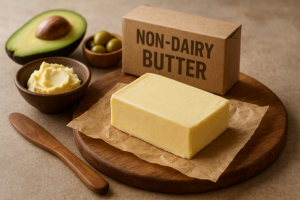
Non-dairy butter, often referred to as vegan butter or plant-based butter, is a spread that replicates the taste, texture, and functionality of traditional butter without using animal-derived ingredients. Unlike conventional butter made from cow’s milk, non-dairy butter is typically derived from vegetable oils, nuts, or seeds, such as:
- Coconut oil – adds a creamy texture and mild flavor
- Olive oil – rich in monounsaturated fats
- Avocado oil – nutrient-dense and heart-healthy
- Soy or sunflower oil – commonly used for neutral taste and spreadability
Some formulations may also include water, salt, emulsifiers, and natural flavors to enhance the texture and shelf life.
Want to Explore More? Get a Free Sample Report Today! https://www.towardsfnb.com/download-sample/5943
Fast-Growing Market & Vegan-Friendly
The non-dairy butter market is expanding rapidly as more consumers embrace plant-based diets. Health-conscious individuals are seeking alternatives that are lower in saturated fats and cholesterol while still offering the creamy texture and rich flavor of traditional butter. The rise of vegan, vegetarian, and flexitarian lifestyles has fueled steady demand for plant-based spreads, making them a staple in modern kitchens.
This growth is further supported by the increasing availability of non-dairy butter in supermarkets, specialty stores, and online platforms, making it accessible to a wider audience. Innovation by brands—such as introducing flavored spreads, fortified products, and options with clean-label ingredients—has also boosted consumer interest. In addition, the influence of social media, food bloggers, and wellness communities has helped raise awareness of the health and environmental benefits of non-dairy butter, accelerating its adoption across different age groups and regions.
Non-Dairy Butter Market Trends and Innovations
- Clean Label and Natural Ingredients: Consumers are gravitating toward non-dairy butter with minimal processing and transparent labeling. Brands emphasizing non-GMO, organic, or cold-pressed oils are gaining traction.
- Functional Fortifications: Some manufacturers are enhancing non-dairy butter with functional ingredients, such as omega-3 fatty acids, plant sterols, or probiotics, to deliver additional health benefits.
- Texture and Flavor Improvements: To mimic the creaminess and taste of traditional butter, brands are innovating with blends of oils, natural emulsifiers, and flavorings, making the plant-based alternative nearly indistinguishable from dairy butter.
- Global Market Expansion: North America and Europe currently lead in adoption, driven by veganism and health trends. However, emerging markets in Asia-Pacific and Latin America are witnessing rapid growth due to rising disposable incomes and exposure to global dietary trends.
See Pricing and Personalize Your Report Today: https://www.towardsfnb.com/checkout/5943
Eco-Friendly Choice More sustainable than traditional butter.
Non-dairy butter is not only better for personal health but also has a smaller environmental footprint compared to traditional dairy butter. Producing plant-based spreads requires fewer natural resources like water, land, and feed, and it generates significantly lower greenhouse gas emissions. Many brands now emphasize sustainable sourcing, using organic oils, responsibly harvested nuts and seeds, and minimal processing to appeal to eco-conscious buyers. Choosing non-dairy butter is a simple yet impactful way for consumers to make more environmentally responsible food choices. This growing focus on sustainability is helping non-dairy butter gain traction among people who want to enjoy delicious spreads while contributing to a healthier planet.
Applications of Non-Dairy Butter
Non-dairy butter is not only a versatile ingredient for home cooking but also plays a crucial role in professional kitchens. Beyond its use in sautéing, roasting, and baking, it can serve as a base for creating flavored butters, compound spreads, and dairy-free frostings. It works exceptionally well in pastries, cakes, and cookies, providing a rich, creamy texture similar to traditional butter.
In commercial and industrial settings, non-dairy butter has become increasingly popular due to its adaptability and alignment with dietary trends. Foodservice establishments, including restaurants, cafes, hotels, and catering services, use it to meet the growing demand for vegan, lactose-free, and plant-based options. It is also incorporated into ready-to-eat meals, pre-packaged baked goods, and frozen desserts, ensuring consistency, shelf stability, and taste across large-scale production.
Challenges Facing Non-Dairy Butter
Despite its rapid growth, the non-dairy butter market faces several challenges that could impact wider adoption.
- Price Sensitivity: Plant-based spreads are often priced higher than traditional butter due to the cost of raw materials and specialized manufacturing processes. This price difference can limit accessibility for budget-conscious consumers and may slow mass-market adoption in price-sensitive regions.
- Taste and Texture Perception: While non-dairy butter has improved significantly, some consumers still feel that it doesn’t fully match the taste, creaminess, or meltability of traditional butter. Overcoming these perception issues is critical for encouraging repeat purchases and gaining mainstream acceptance.
- Shelf Stability: Maintaining product consistency, particularly in warmer climates or during long supply chains, can be challenging. Non-dairy butter often requires advanced formulation techniques to prevent separation, spoilage, or changes in texture over time.
- Consumer Education: Many consumers are still unfamiliar with non-dairy butter or unsure how to use it in everyday cooking and baking. Lack of awareness can slow adoption and limit market growth.
Need Expert Guidance? Schedule a Personalized Session Today: https://www.towardsfnb.com/schedule-meeting
Key Players in the Non-Dairy ButterMarket
- Prosperity Organic Food Inc. (U.S.)
- Pintola (India)
- Alpino Health Foods (India)
- The Leavitt Corporation (U.S.)
- Vegan Way (UAE)
- Naturli Foods A/S (Denmark)
Segment Covered in the Report
By Source
- Soy
- Peanut
- Pistachio
- Cashew
- Almond
- Others
By Distribution Channel
- B2B
- B2C
- Supermarkets/Hypermarkets
- Convenience stores
- Grocery Stores
- Online Sales Channels
By Region
- North America
- Europe
- Asia Pacific
- MEA
- Latin America
Discover More Insights: https://www.foodbeveragestrategies.com/probiotic-sports-nutrition-market/
Bright Future Ahead for Non-Dairy Butter
The non-dairy butter market is poised for continued growth as consumers increasingly embrace plant-based and health-conscious lifestyles. Advances in product innovation—such as improved texture, creaminess, and flavor variety are making non-dairy butter more appealing to mainstream users. Additionally, fortified spreads enriched with vitamins, omega-3s, and plant sterols are attracting health-focused buyers, further widening the target audience.
Get unlimited access to reports and insights with an annual membership: https://www.towardsfnb.com/get-an-annual-membership
About Food Beverage Strategies
Food Beverage Strategies connects food and beverage innovations with intelligence to help global brands tackle their most challenging problems. With over 20 years of expertise, we provide data-driven insights, emerging trends, and strategic solutions that empower businesses in the food and beverage industry. Our tailored reports, in-depth analysis, and actionable strategies help clients stay ahead of the competition and boost profitability.
We offer comprehensive market insights, focusing on sustainability, innovation, and consumer behavior, to help businesses navigate the dynamic food and beverage landscape.