AI in Food and Beverages Market Size, Demand and Forecast Analysis
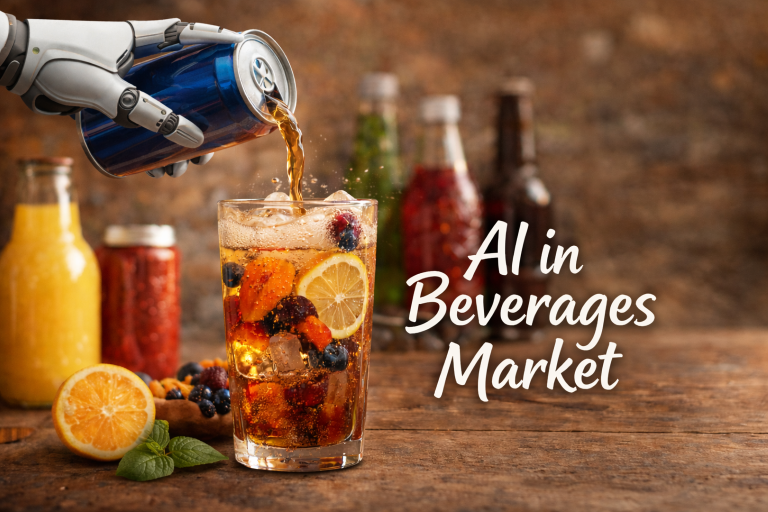
The AI in food and beverages market has witnessed significant growth and transformation over the past few years. Valued at USD 11.75 billion in 2024, the market is projected to expand from USD 16.36 billion in 2025 to approximately USD 320.94 billion by 2034, growing at a CAGR of 39.2% during the forecast period from 2025 to 2034. This growth is primarily driven by technological advancements, digitalization, consumer demand for high-quality food and beverages, and increased regulatory pressures to ensure food safety and compliance.
Artificial Intelligence (AI) is transforming the food and beverage industry by streamlining processes, enhancing product quality, improving consumer engagement, and optimizing supply chain management. By integrating AI technologies such as machine learning (ML), computer vision, robotics, and natural language processing (NLP), food manufacturers and distributors are enhancing their operational efficiencies while meeting the ever-growing demand for safer, more sustainable products.


AI in Food and Beverages Market Overview
The market for Artificial Intelligence (AI) in the food and beverage industry is projected to grow by USD 32.2 billion, with a compound annual growth rate (CAGR) of 34.5% from 2024 to 2029. This growth is primarily driven by the increasing demand for automation to improve productivity and streamline operations across the sector. One of the key trends driving this growth is the integration of Industrial Internet of Things (IIoT) in food and beverage processing, which enables real-time monitoring and predictive maintenance. This results in improved operational efficiency and product quality. However, a significant challenge to adopting AI technologies in the sector is the shortage of skilled personnel, requiring companies to invest in training and development programs to address this talent gap.
As companies look to capitalize on AI opportunities, they must also navigate challenges such as ensuring compliance with data security regulations and ethical considerations in AI use. Collaboration between industry leaders, academia, and governments will be crucial to addressing the skills gap and fostering innovation. AI’s impact on the food and beverage industry spans a wide range of applications, from recipe development and production efficiency to smart packaging and trend forecasting. AI technologies such as robotics, deep learning, and computer vision are enhancing everything from food safety and personalized nutrition to supply chain management and sustainability efforts. As these technologies continue to evolve, they promise to reshape food production, delivery, and consumer engagement in a more sustainable, efficient, and personalized manner.
Want to Explore More? Get a Free Sample Report Today!
https://www.towardsfnb.com/download-sample/5622
What is AI in Food and Beverages Market?
The AI in Food and Beverages market refers to the integration of artificial intelligence technologies, such as machine learning, computer vision, and data analytics, within various sectors of the food and beverage industry. These technologies are utilized to enhance operations across the value chain, including product development, quality control, manufacturing processes, supply chain management, and consumer engagement. AI enables faster and more accurate product innovation, improves food safety by detecting contaminants, optimizes inventory management, and provides personalized experiences for consumers, such as customized dietary recommendations and personalized marketing.
This market is experiencing rapid growth due to the increasing demand for automation, efficiency, and personalized consumer experiences. The adoption of AI in food and beverage companies is driven by factors like the need to meet consumer preferences for healthier and sustainable options, the push for operational cost reductions, and the growing importance of food safety and traceability. As the industry continues to embrace digital transformation, the use of AI technologies is expected to expand, providing businesses with innovative solutions to stay competitive and meet evolving market demands.
Market Growth Factors
Several key factors are fueling the growth of AI in the food and beverages sector:
1. Technological Advancements
The continuous evolution of AI technologies, such as machine learning and computer vision, has enabled food companies to automate and improve critical processes. AI can analyze massive amounts of data quickly and accurately, which is invaluable in optimizing everything from food sorting to predictive maintenance in manufacturing equipment.
2. Digitalization of the Food Industry
As food manufacturers adopt smart factories and integrate IoT (Internet of Things) with AI, the industry is becoming more digitized. Real-time monitoring, data analytics, and automation powered by AI are enabling manufacturers to improve operational efficiency, reduce waste, and optimize product quality.
3. Consumer Demand for High-Quality and Safe Food
With increasing awareness about food safety, consumers are demanding higher-quality products. AI plays a significant role in quality control, ensuring that food is free from contaminants and meets regulatory standards. Additionally, AI-powered food sorting systems help eliminate defective or unsafe products, ensuring the highest standards of safety.
4. Regulatory Pressure
Governments around the world are tightening regulations surrounding food safety and labeling, particularly concerning allergens, ingredients, and production methods. AI is being leveraged to ensure compliance with these regulations by automating testing and monitoring processes, reducing human error, and improving traceability in the food supply chain.
5. Personalization and Consumer Engagement
AI technologies are also being used to personalize consumer experiences. AI-powered applications are used for personalized nutrition, enabling food companies to offer tailored products based on consumers’ preferences and dietary requirements. This, in turn, boosts consumer engagement and loyalty.
Explore key findings fast through our simplified Table of Contents:
https://www.towardsfnb.com/table-of-content/ai-in-food-and-beverages-market
Trends in the AI in Food and Beverages Market
- Key trends in the AI in Food and Beverages market reflect the growing intersection of technology, sustainability, and consumer preferences. One of the emerging trends is personalized nutrition, where AI is used to customize supplements and food products based on individual genetics, lifestyle patterns, and lab test data. This integration of AI with personalized nutrition and food production is driving significant advancements in health outcomes and enhancing the overall productivity of the food industry.
- Sustainability is also a major focus, with AI playing a crucial role in developing more sustainable food systems. By improving productivity, efficiency, and flexibility, AI is helping to reduce environmental footprints while simultaneously delivering social benefits. Companies like MOA Foodtech are leveraging AI to transform food waste into functional products, and startups such as Tomorrow are using AI to extend the shelf life of food items. Investors are increasingly funding AI-driven sustainability innovations to address consumer demand for more eco-friendly solutions.
- AI is also accelerating innovation in flavor and texture development. By analyzing consumer preferences and trends, AI enables food and beverage companies to rapidly develop new recipes, enhance taste profiles, and create entirely new products. This ability to process vast amounts of data allows businesses to stay ahead of shifting consumer tastes and demands.
- Automation powered by AI is increasingly being adopted in the food service industry to address labor shortages and high turnover rates. AI-driven robotic chefs are enhancing efficiency by automating ingredient analysis, cooking processes, and food safety protocols, all while catering to the growing consumer preference for convenience.
- AI also plays a vital role in ensuring food safety and quality. With consumers increasingly concerned about what they eat and how it is produced, AI technologies are being used to detect harmful substances, monitor contamination, and inspect products for defects. This helps companies meet safety standards and maintain consumer trust.
- Finally, with the growing global demand for eco-friendly and effective food and nutrition products, AI is enabling companies to accelerate the development of plant-based foods. These innovations are improving the flavor, texture, and nutritional profiles of plant-based products, helping businesses cater to the increasing consumer shift toward plant-based diets.
What Impact of AI on food and beverage Market?
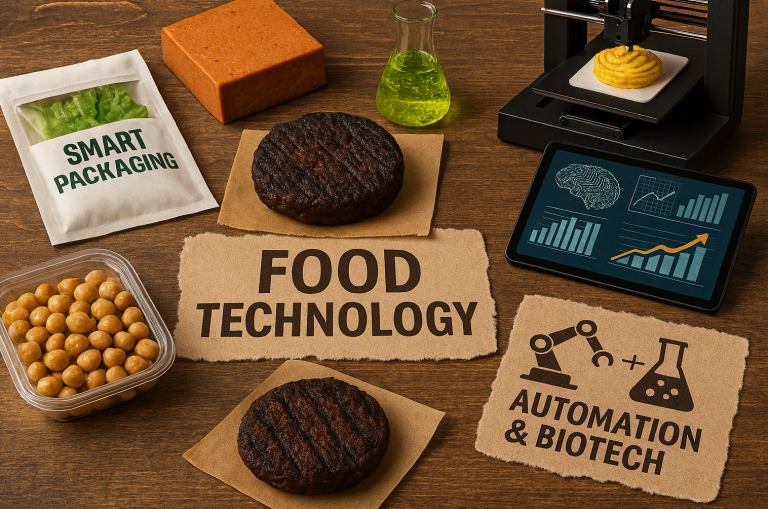
Artificial Intelligence (AI) is transforming the food and beverage market by driving operational efficiencies and enabling innovation across various sectors. AI technologies, such as robotics, machine learning, and computer vision, are automating routine tasks, improving production processes, and enhancing product consistency. In manufacturing, AI optimizes ingredient usage, reduces waste, and improves demand forecasting, allowing companies to better match supply with consumer needs. AI-driven tools like smart packaging, which includes embedded sensors, are enhancing food safety and freshness, providing real-time monitoring to ensure quality control. Additionally, AI plays a crucial role in personalized nutrition, enabling tailored dietary recommendations and creating new, innovative food products that align with consumer preferences.
AI is also reshaping how food and beverage companies engage with consumers and respond to market trends. Through advanced data analytics and deep learning models, businesses can gain valuable insights into consumer behavior, allowing them to develop more targeted marketing strategies and personalized experiences. AI is empowering companies to identify emerging food trends and adapt quickly to shifting consumer demands. Furthermore, AI is helping businesses streamline their supply chains, enhance food safety, and improve sustainability through predictive maintenance, food waste reduction, and smarter resource management. Overall, AI is driving the evolution of the food and beverage industry, creating opportunities for enhanced product offerings, improved operational performance, and better consumer satisfaction.
AI Innovations Tackling Food Waste and Streamlining Efficiency
Food waste is a global challenge, costing around $1 trillion annually, and AI is emerging as a powerful tool to combat this issue at scale. As businesses prepare for the future, they are increasingly turning to AI for demand forecasting, predictive sourcing, and spoilage prevention. AI technologies analyze climate data, consumer behaviors, and historical sales trends to accurately predict production levels and timing, helping to reduce overproduction, inventory shortages, and food waste. According to McKinsey, AI has the potential to reduce food waste and generate an economic opportunity worth $127 million by 2030.
The integration of AI is reshaping the food sector, influencing everything from production and safety to personalized diets and supply chain management. As companies address challenges like food waste, safety concerns, labor shortages, and evolving consumer demands, AI is driving significant changes. This technological shift is largely fueled by the need for personalized nutrition, stricter safety regulations, more efficient supply chains, and a focus on sustainability, marking a new era in global food production.
See Pricing and Personalize Your Report Today: https://www.towardsfnb.com/checkout/5622
Opportunities in the AI in Food and Beverages Market
The AI in food and beverages market presents numerous opportunities for growth and innovation:
- Automation of Food Processing
The integration of AI into food processing plants is automating tasks such as sorting, packaging, and quality control. AI-driven robotics and automation systems can handle repetitive tasks efficiently, freeing up human workers for more complex tasks. This is particularly valuable in industries such as meat processing, dairy, and fruit and vegetable processing.
- Supply Chain Optimization
AI can predict demand fluctuations and supply chain disruptions, allowing companies to make smarter decisions about sourcing ingredients, inventory management, and distribution. This improves the overall efficiency and reduces waste in the food supply chain.
- Enhanced Food Safety and Quality Control
AI tools, particularly computer vision and machine learning, are being utilized for real-time monitoring of food quality during production. AI-driven systems can detect contaminants, foreign objects, and inconsistencies in color, size, or texture, ensuring that only high-quality products reach consumers.
- Personalized Consumer Experience
AI is enabling the development of personalized nutrition plans and smart food products that cater to specific consumer needs. This includes AI-powered applications for recipe suggestions based on dietary restrictions and preferences, providing a more tailored consumer experience.
- Sustainability and Waste Reduction
AI is increasingly being used to optimize the use of resources, reducing food waste and increasing sustainability. By analyzing data related to production processes and consumption trends, AI helps food manufacturers optimize their production schedules and reduce surplus, ultimately reducing food waste and energy consumption.
- Improvement in Customer Engagement and Marketing
AI can analyze consumer behavior, preferences, and purchase history, allowing food companies to create targeted marketing campaigns and offers. Additionally, AI-driven chatbots and virtual assistants are improving consumer engagement and providing real-time support for inquiries.
Top Companies in the AI in Food and Beverages Market
Several companies are leading the AI-driven transformation in the food and beverage industry. These companies are leveraging AI technologies to streamline operations, ensure food safety, and enhance the consumer experience.
- Rockwell Automation Inc.: A global leader in industrial automation, Rockwell Automation offers AI-driven solutions to improve production efficiency and food safety in the food and beverage industry.
- TOMRA Sorting Solutions AS: TOMRA’s AI-powered sorting systems are widely used for food quality control, detecting contaminants and ensuring high standards of hygiene and safety.
- Milltec Clarfai, Inc.: Known for its AI and machine learning algorithms, Milltec Clarfai focuses on improving food sorting processes and enhancing operational efficiency.
- ABB Ltd.: ABB’s AI-powered solutions for the food and beverage industry include robotics, automation, and energy management systems to optimize production and reduce waste.
- INTELLIGENT Brewing Co.: A company focused on AI for the brewing industry, developing AI-driven solutions for brewery management, product quality control, and brewing process optimization.
- Honeywell International Inc.: Honeywell’s AI solutions are designed to improve food safety and production efficiency by automating critical processes and ensuring compliance with food regulations.
- Sight Machine Inc.: Sight Machine leverages AI to monitor and optimize manufacturing processes, improving food production quality and increasing operational efficiency.
- Raytec Vision SpA: Specializes in computer vision technology, which is used for sorting and packaging in the food and beverage industry.
- Key Technology Inc.: Known for its AI-powered sorting machines that automate food production lines, improving efficiency and product quality.
- Google LLC, IBM Corporation, SAP SE, Microsoft Corporation: These tech giants are leading the AI revolution in food and beverages, offering cloud-based platforms, AI tools, and data analytics solutions that help food manufacturers optimize operations, personalize products, and improve customer engagement.
Need Expert Guidance? Schedule a Personalized Session Today:
https://www.towardsfnb.com/schedule-meeting
Segmentation Analysis
The AI in food and beverages market can be segmented based on technology, deployment, end-use industry, and application.
By Technology
- Machine Learning: Used for predictive analytics, demand forecasting, and supply chain optimization.
- Computer Vision: Helps in food sorting, quality control, and defect detection.
- Natural Language Processing (NLP): NLP is used for chatbots, voice assistants, and customer engagement.
- Robotics & Automation: AI-powered robots automate food processing, packaging, and other repetitive tasks.
By Deployment
- Cloud: Cloud deployment is gaining traction as it offers flexibility, scalability, and remote access to AI tools for food companies.
- On-premises: Some large food manufacturers prefer on-premises deployment for more control over their AI tools and data.
By End-use
- Food Processing: AI is used for quality control, production optimization, and reducing waste in food processing.
- Supply Chain Management: AI helps optimize inventory, forecast demand, and reduce logistics costs.
- Hotel & Restaurant: AI-powered solutions help streamline operations, improve customer service, and personalize menu offerings in the hospitality industry.
By Application
- Food Sorting: AI-powered sorting machines are used to ensure the quality and consistency of food products.
- Consumer Engagement: AI is used to create personalized customer experiences, through chatbots, virtual assistants, and targeted marketing.
- Quality Control and Safety Compliance: AI technologies ensure that food products meet safety standards and quality benchmarks.
- Production and Packaging: AI optimizes production lines, reducing errors and ensuring efficiency in packaging.
- Maintenance: AI-driven predictive maintenance helps in anticipating equipment failures and improving overall equipment reliability.
Regional Information
North America
- North America is the largest market for AI in the food and beverages sector, driven by technological advancements, high adoption rates of AI, and the presence of key food companies. The U.S. is the primary consumer of AI-powered solutions for food safety, production optimization, and consumer engagement.
Europe
- Europe is another significant market, where AI is extensively used in food quality control, sorting, and packaging. Countries like Germany, France, and the UK are key players in AI adoption, particularly in food processing and supply chain optimization.
Asia Pacific
- Asia Pacific is witnessing rapid growth in the AI in food and beverages market. The region’s growing population, increasing urbanization, and rising disposable income are driving the demand for healthier and safer food products. Countries like China, Japan, and India are expected to see substantial growth in AI applications in food processing and supply chain management.
Middle East and Africa (MEA)
- In the MEA region, the AI market in food and beverages is in its early stages but holds significant growth potential. The growing focus on food safety, improved production processes, and the adoption of AI technologies in food manufacturing are contributing to market expansion.
Latin America
- Latin America is also emerging as a potential market for AI in the food and beverage sector. With an increasing middle class and growing demand for processed food, the region is likely to witness significant AI adoption in food sorting, quality control, and supply chain management.
Discover More Insights: https://www.foodbeveragestrategies.com/kombucha-market-size/
Future Outlook
The AI in food and beverages market is set for an extraordinary growth trajectory, with a forecasted CAGR of 39.2% from 2025 to 2034. As the industry embraces AI-powered solutions for everything from food safety to production optimization and personalized consumer experiences, the potential for AI to revolutionize the food and beverage sector is immense.
From improving food safety and quality to enhancing production efficiency and customer engagement, AI is poised to reshape the food and beverage industry in the coming years. With increasing demand for healthier, safer, and more sustainable products, companies that leverage AI will have a competitive edge in the market, ensuring growth and success in this rapidly evolving industry.
Get unlimited access to reports and insights with an annual membership: https://www.towardsfnb.com/get-an-annual-membership
About Food Beverage Strategies
Food Beverage Strategies connects food and beverage innovations with intelligence to help global brands tackle their most challenging problems. With over 20 years of expertise, we provide data-driven insights, emerging trends, and strategic solutions that empower businesses in the food and beverage industry. Our tailored reports, in-depth analysis, and actionable strategies help clients stay ahead of the competition and boost profitability.
We offer comprehensive market insights, focusing on sustainability, innovation, and consumer behavior, to help businesses navigate the dynamic food and beverage landscape.