Bio-Seeds Market Size, Growth and Emerging Trends
The global bio-seeds market is experiencing remarkable growth, projected to increase from USD 16.74 billion in 2026 to USD 37.28 billion by 2035, at a compound annual growth rate (CAGR) of 9.3% during the forecast period from 2026 to 2035. The market is driven by an increasing demand for high-quality organic food, along with the escalating global population. The continuous push towards sustainable agriculture, coupled with advanced biotechnological innovations in seeds, plays a pivotal role in market expansion.
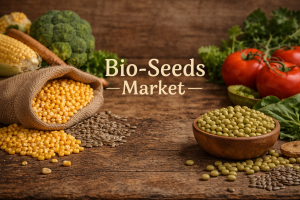
Bio-seeds are genetically engineered or selectively bred to provide farmers with crops that have enhanced resistance to pests, diseases, and environmental stresses. This has become crucial in the face of global challenges such as climate change, declining arable land, and the rising demand for food security.
Bio-Seeds Market Overview
The Bio‑Seeds Market refers to the commercial production, distribution, and utilization of advanced seeds developed through biotechnology, genetic enhancement, and selective breeding. These seeds are engineered to improve agricultural performance offering benefits such as higher crop yields, enhanced resistance to pests and diseases, tolerance to drought and environmental stresses, and better nutrient utilization. As traditional agriculture faces pressure from climate change, demographic growth, and soil degradation, bio‑seeds are increasingly viewed as a critical tool to support global food security and sustainable farming practices.
The bio‑seeds market is emerging as a cornerstone of modern agriculture, driven by the need for sustainable food production, environmental resilience, and enhanced crop performance. Its steady growth reflects how biotechnology is reshaping the future of global farming providing farmers with smarter, stronger, and more productive seeds.
Want to Explore More? Get a Free Sample Report Today!
https://www.towardsfnb.com/download-sample/6080
What is Bio-Seeds?
Bio-seeds are seeds that have been developed through advanced biotechnological techniques such as genetic modification (GM), hybridization, or selective breeding. These seeds are engineered to exhibit specific beneficial traits that improve crop performance, such as increased resistance to pests, disease, and environmental stresses like drought or temperature fluctuations. Bio-seeds are crucial for ensuring high crop yields and sustainable agriculture, addressing challenges such as climate change and the growing global demand for food.
Bio-seeds can be classified into different categories, including genetically modified seeds, which are altered at the DNA level to express traits like herbicide tolerance or insect resistance, and hybrid seeds, created by cross-breeding plants with complementary traits to achieve improved vigor and productivity. These seeds are used across various agricultural applications, including food production, biofuel generation, and in the pharmaceutical and cosmetic industries.
Bio-Seeds Market Growth Factors
Several key drivers are contributing to the growth of the bio-seeds market:
- Increased Demand for Organic Food: With the growing trend toward organic food consumption, farmers are seeking ways to produce crops that are free from synthetic chemicals. Bio-seeds offer a solution by reducing the need for pesticides, thus meeting the market’s demand for chemical-free, organic food.
- Population Growth and Food Security: As the global population continues to rise, the demand for food increases exponentially. Bio-seeds help in achieving higher crop yields on limited arable land, offering a solution to global food security concerns.
- Technological Advancements in Biotechnology: Continuous advancements in biotechnology are leading to more resilient and high-yielding bio-seeds. Genetically modified (GM) seeds, for instance, provide enhanced resistance to pests, diseases, and adverse environmental conditions, making them an attractive option for farmers.
- Sustainability and Environmental Concerns: As the world turns to more sustainable farming practices, bio-seeds are becoming a go-to solution for reducing the environmental impact of agriculture. Crops like drought-tolerant seeds can ensure water conservation, while insect-resistant varieties help lower pesticide use.
- Government Support and Policies: Many governments are encouraging the adoption of bio-seeds through favorable policies, grants, and subsidies. These incentives are pushing for the wider adoption of bio-seeds in farming and agriculture.
Types of Bio-Seeds
Bio-seeds come in various types, each engineered with specific traits to improve agricultural productivity, resilience, and sustainability. Below are the main types of bio-seeds:
1. Genetically Modified (GM) Seeds
These seeds are altered at the genetic level using biotechnology techniques to introduce specific beneficial traits. Common traits include:
-
Pest Resistance: Seeds engineered to resist insects and pests, reducing the need for chemical pesticides. For example, Bt cotton and Bt corn are genetically modified to produce proteins that are toxic to certain pests.
-
Herbicide Tolerance: Seeds that can withstand the application of herbicides, making it easier to control weeds without harming the crops. Glyphosate-resistant soybeans are a well-known example.
-
Disease Resistance: Genetic modifications that make crops resistant to certain diseases, helping to reduce crop losses and increase yield.
-
Drought Resistance: Seeds modified to thrive in areas with low water availability or drought-prone conditions, such as drought-tolerant corn.
2. Hybrid Seeds
Hybrid seeds are created by cross-breeding two genetically different parent plants to produce offspring with superior qualities, such as increased yield, better disease resistance, and improved vigor. These seeds do not carry genetic modifications but rather harness the benefits of selective breeding. They typically offer:
-
Higher productivity compared to traditional varieties.
-
Improved resilience to environmental stresses like diseases and harsh weather conditions.
3. Conventional Seeds
Conventional seeds are those that are not genetically modified or hybridized. These seeds are naturally selected or produced using traditional farming methods. Although not engineered for specific traits like GM seeds, they are still widely used in organic farming systems. They often appeal to consumers seeking non–GMO products or to those engaged in organic farming.
4. Certified Seeds
Certified seeds are high-quality seeds that have undergone testing and quality checks to meet specific standards set by regulatory authorities. These seeds are:
-
Free from diseases and contaminants.
-
Guaranteed to have high germination rates.
-
Used by farmers who want to ensure strong and uniform crop yields.
5. Biofortified Seeds
Biofortified seeds are genetically enhanced to improve the nutritional content of the crops they produce. For example, Golden Rice, which is genetically modified to produce higher levels of vitamin A, helps to combat vitamin A deficiency in developing countries. Biofortification can enhance:
-
Micronutrients like vitamins, minerals, and amino acids.
-
Nutritional value of staple crops like rice, maize, and wheat.
6. Non-GMO Bio-Seeds
These are bio-seeds that are not genetically modified but may still be enhanced through techniques such as selective breeding or mutagenesis (exposing seeds to radiation or chemicals to induce beneficial mutations). They are often used to create crops that:
-
Are more resilient to environmental stresses.
-
Have enhanced resistance to diseases and pests.
See Pricing and Personalize Your Report Today: https://www.towardsfnb.com/checkout/6080
Health Benefits of Bio-Seeds
Bio-seeds offer several health benefits by contributing to the production of healthier, more nutritious crops. These advantages come from the specific traits engineered in bio-seeds that enhance crop quality, sustainability, and safety. Here are some of the key health benefits:
-
Reduced Chemical Residue: Bio-seeds, especially genetically modified (GM) crops, can reduce the need for chemical pesticides and fertilizers. For example, pest-resistant seeds can help reduce the amount of chemical treatments applied to crops. This results in lower levels of harmful chemical residues on harvested crops, making them safer for human consumption.
-
Enhanced Nutritional Content: Certain bio-seeds are engineered to improve the nutritional profile of the crops they produce. For instance, biofortified crops like Golden Rice, which is rich in vitamin A, aim to combat deficiencies in certain populations. Bio-seeds can also be designed to enhance micronutrient content, such as iron, zinc, and protein, contributing to improved public health, especially in developing regions where nutritional deficiencies are common.
-
Allergen-Free Crops: Some bio-seeds are developed to eliminate allergens found in certain crops, such as genetically modified soybeans that are bred to be allergen-free. This can benefit individuals who suffer from food allergies, improving their dietary options and health outcomes.
-
Improved Crop Preservation: Bio-seeds designed to have better resistance to diseases and environmental stresses (like drought or extreme temperatures) help ensure food availability and quality. This reduces the likelihood of crop failures and food shortages, which can negatively impact nutrition and public health.
Opportunities in the Bio-Seeds Market
As the bio-seeds market continues to grow, several opportunities are emerging for both established and new companies in the agricultural sector:
- Expansion into Emerging Markets: Asia Pacific, Latin America, and Africa present significant growth potential. These regions are experiencing a rise in demand for bio-seeds due to the increased focus on food security, sustainable agriculture, and overcoming the effects of climate change.
- Research and Development: The market is ripe for innovation. Companies investing in R&D to develop next-generation bio-seeds that address issues such as nutrient efficiency, drought tolerance, and disease resistance will be well-positioned for growth.
- Sustainability Initiatives: There is growing awareness and investment in sustainable agricultural practices. Companies that focus on bio-seeds for regenerative agriculture, eco-friendly farming, and carbon sequestration will benefit from rising consumer demand for sustainably sourced products.
- Partnerships and Collaborations: Strategic partnerships between biotech companies, seed producers, and government bodies can open new avenues for the widespread adoption of bio-seeds. This is particularly beneficial in regions where biotechnology adoption has been slower, as collaborations can help with education, training, and infrastructure development.
Why Bio-Seeds are Gaining Popularity?
Bio-seeds are gaining popularity for several key reasons, primarily driven by the increasing need for sustainable agricultural practices and the growing global demand for food. Here are some of the main factors:
-
Increased Crop Yields: Bio-seeds, especially genetically modified (GM) seeds, are designed to enhance crop productivity. With traits like drought tolerance, pest resistance, and disease resistance, bio-seeds enable farmers to grow higher yields per acre, helping to meet the demands of a growing global population.
-
Environmental Sustainability: As the world faces environmental challenges such as climate change and water scarcity, bio-seeds provide a more sustainable solution. For example, drought-resistant crops reduce the need for irrigation, and pest-resistant varieties minimize the reliance on chemical pesticides, which benefits the environment and lowers farming costs.
-
Food Security: With the world’s population projected to exceed 9 billion by 2050, bio-seeds help ensure food security by enabling higher and more reliable agricultural output. By offering nutrient-efficient seeds, farmers can also grow crops on poorer soils, contributing to more resilient food systems.
-
Consumer Demand for Healthier, Organic Products: Consumers are increasingly seeking food that is free from harmful chemicals. Bio-seeds, especially those designed to be pest-resistant, can reduce the need for chemical pesticides, allowing farmers to grow crops that meet the rising demand for organic and chemical-free food.
Top Companies in the Bio-Seeds Market
Several leading companies dominate the global bio-seeds market, leveraging their research capabilities and distribution networks to expand their reach:
- Bayer AG (Germany): A global leader in crop science, Bayer offers bio-seeds and crop protection solutions aimed at sustainable agriculture and regenerative farming practices.
- Dow AgroSciences (United States): Known for its agricultural biotechnology solutions, Dow AgroSciences produces bio-seeds and GM traits that serve the agricultural sector, enhancing yield and pest resistance.
- Limagrain (France): This agricultural cooperative is a major player in the bio-seeds sector, producing field and vegetable seeds that are highly resistant to diseases and increase crop yields.
- BASF SE (Germany): BASF offers a range of hybrid bio-seeds designed to boost germination efficiency, crop health, and yield, contributing to the sustainability of agriculture.
- KWS SAAT SE (Germany): Specializing in hybrid seed production for crops like corn, wheat, and sugarbeet, KWS is focused on creating sustainable solutions for farmers around the world.
- Mahyco (India): Known for its wide range of bio-seeds, including cotton, maize, and oilseeds, Mahyco has been instrumental in improving farmer livelihoods in India.
- Monsanto Company (United States): Acquired by Bayer, Monsanto is a pioneer in the GM seed market, offering herbicide-resistant and insect-resistant seeds to help lower pesticide use.
Need Expert Guidance? Schedule a Personalized Session Today: https://www.towardsfnb.com/schedule-meeting
Segmentation Analysis
The bio-seeds market can be analyzed across several key segments:
By Crop Type:
- Corn: A leading crop in the bio-seeds market due to its high demand for genetically modified (GM) seeds, especially for resistance to pests and diseases.
- Soybean: GM soybeans, known for their herbicide tolerance, are a significant part of the bio-seeds market, especially in North America and Latin America.
- Canola: Bio-seeds of canola, used mainly for oil extraction, are gaining popularity due to their disease resistance and higher yields.
- Wheat and Rice: GM wheat and rice bio-seeds are being developed to tackle drought stress, pests, and diseases, particularly in regions like Asia.
By Trait:
- Herbicide Resistance: One of the most common traits, herbicide-resistant bio-seeds help reduce crop damage caused by weeds while reducing pesticide use.
- Insect Resistance: GM seeds with built-in resistance to insects, such as the Bt trait, are highly sought after by farmers to combat pest-related crop losses.
- Drought Tolerance: Drought-resistant bio-seeds are crucial for regions facing water scarcity, ensuring higher yield even under adverse weather conditions.
- Nutrient Efficiency: These bio-seeds are designed to use available soil nutrients more efficiently, offering a sustainable solution for farmers in nutrient-depleted areas.
By End Use:
- Agriculture: The largest segment, where bio-seeds are primarily used for growing crops that serve as food, fodder, or fiber.
- Biofuels: With the global shift toward renewable energy, bio-seeds used in biofuels production (such as soybean for biodiesel) are growing.
- Pharmaceuticals and Cosmetics: Certain bio-seeds, like those used in medicinal plants, also find their application in the pharmaceutical and cosmetic industries.
By Seed Form:
- Conventional Seeds: Non-GM seeds that are traditionally used in agriculture.
- Certified Seeds: High-quality seeds that meet regulatory standards for sowing.
- Hybrid Seeds: Seeds created by cross-breeding different plant varieties to improve yield and disease resistance.
- Genetically Modified Seeds: Seeds that have been altered at the genetic level to improve traits such as disease resistance, pest resistance, and yield.
Regional Insights
- North America: A leader in the bio-seeds market, driven by high demand for GM crops like corn and soybeans, particularly in the U.S. and Canada. The region has seen strong government support for biotech farming.
- Europe: While Europe is more cautious about GM crops, the region still sees demand for non-GM bio-seeds in sustainable agriculture. Countries like Spain and France have been early adopters of bio-seeds.
- Asia Pacific: The fastest-growing region, with countries like India, China, and Indonesia embracing bio-seeds to boost agricultural productivity. The increasing need for drought-resistant seeds is a significant driver in this region.
- MEA (Middle East & Africa): As the region faces water scarcity and food insecurity, the demand for drought-tolerant and pest-resistant bio-seeds is on the rise, especially in countries like South Africa and Egypt.
- Latin America: Dominated by Brazil and Argentina, this region is heavily invested in GM soybeans, maize, and cotton, and is expected to see significant growth in bio-seeds adoption.
Discover More Insights: https://www.foodbeveragestrategies.com/dairy-blends-market-size/
Future Outlook
The bio-seeds market is poised for substantial growth, fueled by technological advancements, rising demand for organic and sustainable agriculture, and an increasing global population. As bio-seeds continue to play a pivotal role in addressing challenges such as climate change, food security, and resource scarcity, companies that invest in innovation and sustainable practices are set to lead the market in the coming decades.
Unlock unlimited reports and insights with a yearly membership: https://www.towardsfnb.com/get-an-annual-membership
About Towards FnB
Towards FnB connects food and beverage innovations with intelligence to help global brands tackle their most challenging problems. With over 20 years of expertise, we provide data-driven insights, emerging trends, and strategic solutions that empower businesses in the food and beverage industry. Our tailored reports, in-depth analysis, and actionable strategies help clients stay ahead of the competition and boost profitability.
We offer comprehensive market insights, focusing on sustainability, innovation, and consumer behavior, to help businesses navigate the dynamic food and beverage landscape.
Contact Us https://www.towardsfnb.com/contact-us
Email: sales@towardsfnb.com