Cheese Alternatives Market Size, Share and Growth Insights 2034
The global cheese alternatives market was valued at USD 2.48 billion in 2024 and is projected to rise from USD 2.78 billion in 2025 to USD 7.63 billion by 2034, expanding at a CAGR of 11.9% over 2025–2034. Growth is propelled by the rapid expansion of vegan and flexitarian populations, a widening base of health-conscious consumers, increasing lactose intolerance prevalence, and rising animal-welfare and sustainability concerns. Product quality has improved markedly in the last five years, with better meltability, stretch, and flavor thanks to advances in plant proteins, cultures, and fat systems bringing plant-based cheese closer to the sensory experience of dairy cheese.

Cheese Alternatives Market Overview
The growth of the cheese alternatives market is largely fueled by rising consumer preference for plant-based diets, lactose-free options, and ethically sourced products. Cheese substitutes derived from ingredients such as soy, nuts, coconut, and oats have gained significant acceptance among health-conscious and environmentally aware consumers. Growing awareness of the environmental impact of dairy production and concerns over animal welfare continue to accelerate the shift toward non-dairy cheese options.
By 2025, the adoption of cheese alternatives has expanded across various segments, including food service, quick-service restaurants (QSRs), and household consumption. Many pizza chains have incorporated vegan cheese toppings into their menus, while major retailers now offer a wide range of plant-based cheese slices and products to meet evolving consumer demand.
Want to Explore More? Get a Free Sample Report Today!
https://www.towardsfnb.com/download-sample/5887
What qualifies as a cheese alternative?
Cheese alternatives are typically non-dairy formulations designed to mimic the flavor, texture, appearance, and functional performance of dairy cheese. Common inputs include nut-based (almond, cashew), legume-based (soy, pea), cereal-based (oat, rice), coconut and other plant oils, plus cultures, starches, hydrocolloids, and nutritional fortification (e.g., calcium, B12). An emerging subcategory leverages precision-fermented dairy proteins (animal-free caseins and whey) blended with plant fats/starches to deliver dairy-like performance without animal agriculture.
Market Growth Factors
- Dietary Shifts: Vegan, Flexitarian, and Dairy-Light Lifestyles
Mainstream shoppers increasingly experiment with plant-forward routines (Meatless Mondays, dairy-light), turning cheese alternatives from niche to routine basket items especially for pizza, sandwiches, and snacking. - Lactose Intolerance & Allergies
High lactose intolerance rates in Asia and parts of Africa, alongside dairy allergies in specific cohorts, steer demand toward dairy-free analogs with clearer labeling and allergen-managed recipes. - Health & Wellness Positioning
Products marketed as cholesterol-free, lactose-free, and sometimes lower in saturated fat (formulation-dependent) appeal to heart-health and weight-management goals. Fortification with calcium, vitamin D, and B12 enhances the value proposition. - Sustainability & Animal Welfare
Lower land and water use (vs. conventional dairy), reduced methane emissions, and ethical sourcing narratives resonate with climate-conscious consumers and retailers with ESG targets. - Foodservice Momentum
Quick-service restaurants, cafes, and pizzerias increasingly offer plant-based cheese options, normalizing trial and accelerating repeat purchases. - Retail Accessibility & Private Label
Shelf presence in mainstream supermarkets, discounters, and e-commerce, plus aggressively priced private labels, is expanding household penetration.
Market Dynamics
Drivers: The growing prevalence of lactose intolerance and dairy allergies among consumers is a major factor propelling the cheese alternatives market. Studies from global health organizations indicate that a significant portion of the world’s population experiences lactose intolerance, driving demand for non-dairy options. In response, manufacturers are increasingly developing cheese alternatives tailored to these dietary requirements. Furthermore, the rising awareness of the nutritional advantages of plant-based diets particularly their lower levels of saturated fats and cholesterol has intensified consumer interest in healthier, plant-derived cheese products. This shift toward mindful eating and sustainable consumption continues to accelerate market expansion.
Challenges: Despite promising growth prospects, the cheese alternatives market faces notable obstacles. Conventional dairy cheese still maintains a dominant position due to its well-established taste, texture, and consumer familiarity, making it challenging for alternatives to achieve comparable acceptance. Additionally, the premium pricing of many plant-based cheese products can discourage price-sensitive consumers. To overcome these barriers, manufacturers must prioritize innovations that enhance the sensory qualities especially flavor and mouthfeel of cheese substitutes, while optimizing production costs to make products more affordable and accessible to a wider audience.
Cheese Alternatives Market Trends
- Industry Growth Overview: The cheese alternatives market is witnessing strong growth, primarily driven by the increasing adoption of vegan and plant-based diets, the rising number of lactose-intolerant individuals, and a growing base of health-conscious consumers. As dietary preferences shift toward sustainable and animal-free options, manufacturers are expanding their portfolios with innovative, nutrient-rich cheese substitutes to meet evolving consumer needs.
- Sustainability Trends: Sustainability has become a central focus within the cheese alternatives industry. The market is benefiting from eco-friendly production processes, reduced environmental impact, and enhanced animal welfare considerations compared to traditional dairy manufacturing. Companies are increasingly adopting plant-based and precision fermentation methods to create ethical, climate-conscious cheese products, reinforcing their commitment to environmental responsibility.
- Major Investors: Leading food corporations such as Danone S.A., Nestlé S.A., and Bel Group are among the key investors driving innovation in the cheese alternatives sector. These companies are actively investing in research and development to introduce advanced plant-based formulations and expand their vegan product offerings, catering to the rapidly growing global demand for sustainable dairy alternatives.
Explore key findings fast through our simplified Table of Contents:
https://www.towardsfnb.com/table-of-content/cheese-alternatives-market
Emerging Technologies Driving the Future of Cheese Alternatives
Key technological advancements are transforming the cheese alternatives market, driving improvements in both product quality and production efficiency. Among the most notable innovations are precision fermentation, molecular farming, and 3D food printing.
Precision fermentation utilizes genetically engineered microorganisms to produce dairy-identical proteins such as casein and whey, allowing manufacturers to create plant-based cheese with authentic texture and taste. Molecular farming involves modifying plants to produce these same animal-identical proteins, offering a sustainable and scalable alternative to traditional dairy production. Meanwhile, 3D food printing enables precise customization of cheese alternatives in terms of shape, texture, and nutritional composition, enhancing consumer appeal and dietary personalization.
Collectively, these technologies are accelerating the growth of the cheese alternatives market by improving sustainability, efficiency, and product innovation.
Market Opportunities
- Technological Breakthroughs (Precision Fermentation & Novel Fats)
Animal-free caseins and next-generation structured plant fats can significantly upgrade melt, stretch, and umami depth, unlocking premium and foodservice-grade use cases. - Clean-Label & Short-Ingredient Lists
Formulation innovation that reduces stabilizers/starches and emphasizes cultured, fermented, and minimal-additive recipes can win ingredient-conscious consumers. - Regionalized Flavor Profiles
Tailoring to local cuisines mozzarella for pizza-forward markets, paneer-style analogs for South Asia, queso fresco-style for Latin America broadens relevance. - Nutrition-Forward SKUs
Fortified and functional lines (added protein via pea/soy isolates, omega-rich oils, fiber) can differentiate and justify premium pricing. - Hybrid Concepts
Blends of precision-fermented dairy proteins with plant matrices deliver near-dairy performance while remaining animal-free, creating a bridge for dairy-loyal consumers. - Foodservice Partnerships
Strategic tie-ups with pizza chains and sandwich QSRs where cheese performance is most visible can catalyze scale and brand loyalty.
See Pricing and Personalize Your Report Today: https://www.towardsfnb.com/checkout/5887
Cheese Alternatives Market Top Key Players
The global cheese alternatives market features a mix of established food corporations and innovative plant-based startups driving product diversification and technological advancement. Key players include:
- Danone S.A.
- Nestlé S.A.
- The Kraft Heinz Company
- General Mills, Inc.
- Bel Group
- Oatly Group AB
- Upfield (Violife)
- Blue Diamond Growers
- Follow Your Heart
- Daiya Foods Inc.
- Tofutti Brands, Inc.
- Bute Island Foods
- Treeline Cheese
- Miyoko’s Creamery
- Jay & Joy
- New Culture
- Those Vegan Cowboys
- Goodmylk
- Villa Flandria Vegan Foods
- Perfect Day (Modern Kitchen)
- The Very Good Food Company
- Kite Hill
- GOOD PLANeT Foods
- Parmela Creamery
- Other Emerging Players
These companies are actively engaging in product innovation, strategic partnerships, and sustainable production practices to strengthen their positions in the rapidly expanding cheese alternatives market.
Need Expert Guidance? Schedule a Personalized Session Today:
https://www.towardsfnb.com/schedule-meeting
Segmentation Analysis
By Source/Ingredient
- Nut-based (Cashew, Almond):
Creamy mouthfeel suits spreads and artisan-style wheels. Premium positioning; watch for tree-nut allergen management. - Coconut- and Oil-based:
Dominant in meltable shreds/slices due to stable fat matrices; often combined with starches. Work continues on reducing saturated fat. - Soy-based:
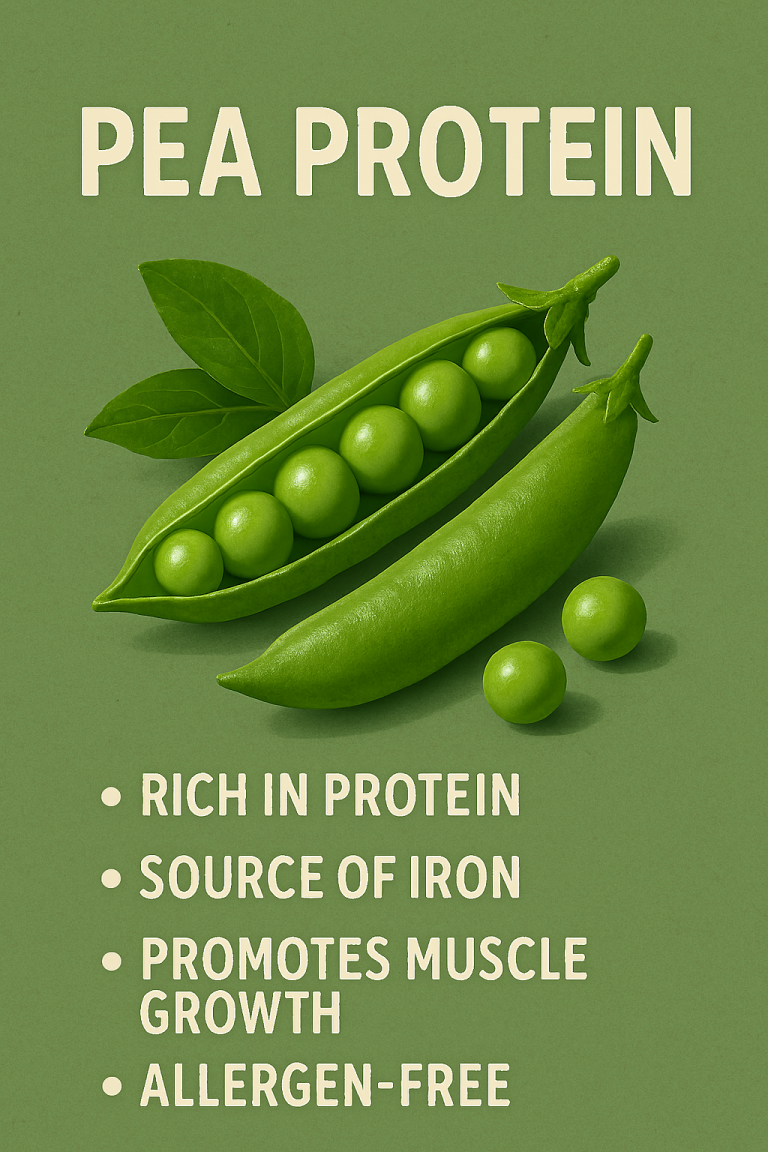
Reliable functionality and protein levels; label perceptions vary by market but remains cost-effective. - Pea/Oat/Rice-based:
Fast-growing due to neutral taste and broader allergen acceptance (especially pea). Popular for shreds, slices, and blocks. - Precision-Fermented & Other Novel Inputs:
Small today but high-growth potential; performance edge could command premium foodservice adoption. - Outlook: Pea/oat bases are gaining share for broad allergen acceptance and neutral taste; coconut-oil matrices remain vital for melt/stretch in mainstream SKUs.
By Product Type
- Shreds & Slices (Mozzarella/Cheddar analogs):
Largest and most frequently used for pizza, burgers, sandwiches; strong retail and foodservice pull. - Blocks & Wheels:
Used for cooking and snacking; growing with improvements in sliceability and flavor maturation. - Spreads/Cream Cheese:
High household trial due to forgiving applications (bagels, dips); strong entry point for new users. - Parmesan-Style/Grated & Specialty:
Smaller base but premium margins; flavor tech and aging analogs improving. - Outlook: Shreds & slices lead volume, while spreads are a top trial gateway; specialty segments expand as fermentation and cultures advance.
By Form/Processing
- Meltable Formats (shreds, slices):
Critical for foodservice; performance improvements drive repeat orders. - Spreadable & Dips:
Lower technical barriers; strong growth in snacking and at-home entertaining. - Fermented/Cultured vs. Non-Fermented:
Fermented products win on flavor complexity and clean-label perception; non-fermented dominate value tiers.
By Distribution Channel
- Supermarkets/Hypermarkets:
Primary volume channel; private label building price competition. - Specialty & Natural Stores:
Incubator for premium artisan and fermented SKUs. - Online/E-commerce & Quick-Commerce:
Expands assortment reach; subscription bundles for dairy-free households emerging. - Foodservice (QSR, Casual Dining, Cafés):
Fastest growth engine; performance-proven SKUs gain national listings.
By End User
- Retail/Households:
Driven by health, ethics, and culinary curiosity. - Commercial/Foodservice:
Driven by menu inclusivity, ESG goals, and consistent performance (melt, stretch, browning).
Regional Insights
North America
- Position: One of the largest markets by value.
- Drivers: Strong vegan/flexitarian adoption, powerful natural/specialty retail, and aggressive foodservice pilots.
- Trends: Rapid growth in private label; improved pizza and burger applications; clean-label fermentation-led brands scaling.
- Regulatory/Labeling: Active debates on dairy-terminology usage; clear allergen labeling is table stakes.
Europe
- Position: A global leader in per-capita consumption of plant-based alternatives.
- Drivers: Mature retailer ranges, sustainability emphasis, and strong dairy culture seeking credible analogs.
- Trends: Artisan-style and fermented plant cheeses gaining traction; multiple languages/regs require careful claims management.
- Foodservice: Widespread menu integration in pizza and bakery segments.
Asia Pacific
- Position: Fastest growth region.
- Drivers: High lactose intolerance prevalence, rising middle-class health awareness, and Western-style QSR expansion.
- Trends: Localization (e.g., paneer-style analogs in South Asia; mozzarella for rapidly growing pizza categories in Southeast Asia).
- Challenge/Opportunity: Price sensitivity and supply chain localization; big runway for affordable, allergen-light pea/oat-based SKUs.
Latin America
- Position: Early growth with urban concentration.
- Drivers: Expanding modern retail and e-commerce; dairy pricing volatility can favor plant-based substitutes.
- Trends: Focus on spreadable and grating styles for local cuisines; opportunities in flexitarian snacking.
Middle East & Africa
- Position: Nascent but promising.
- Drivers: Young demographics, modern retail build-out, and hospitality-driven demand in GCC.
- Trends: Import-led today; potential for shelf-stable and ambient innovations to overcome cold-chain constraints.
Discover More Insights: https://www.foodbeveragestrategies.com/3d-food-printing-market-size/
Future Outlook
The cheese alternatives market is observing growth due to the rising population of vegans and consumers preferring plant-based options. The market is also observing growth due to the rising population of health-conscious consumers, concerns about animal cruelty, and rising cases of lactose intolerance.
Get unlimited access to reports and insights with an annual membership: https://www.towardsfnb.com/get-an-annual-membership
About Food Beverage Strategies
Food Beverage Strategies connects food and beverage innovations with intelligence to help global brands tackle their most challenging problems. With over 20 years of expertise, we provide data-driven insights, emerging trends, and strategic solutions that empower businesses in the food and beverage industry. Our tailored reports, in-depth analysis, and actionable strategies help clients stay ahead of the competition and boost profitability.
We offer comprehensive market insights, focusing on sustainability, innovation, and consumer behavior, to help businesses navigate the dynamic food and beverage landscape.