Plant-Based Milk Market Size, Share and Growth Analysis
The global plant-based milk market size was valued at USD 19.35 billion in 2025 and is projected to grow from USD 21.40 billion in 2026 to approximately USD 52.99 billion by 2035, registering a CAGR of 10.6% during the forecast period from 2026 to 2035.
The global food and beverage industry is undergoing a major transformation driven by sustainability awareness, health-conscious consumers, and dietary diversification. Among these changes, plant-based milk has emerged as one of the fastest-growing segments within the alternative dairy sector. As consumers increasingly shift toward vegan, lactose-free, and environmentally sustainable options, plant-based milk is evolving from a niche category into a mainstream staple.


Plant-Based Milk Market Overview
Plant-based milk refers to non-dairy beverages derived from plant sources such as almonds, oats, soy, coconut, rice, and peas. These alternatives are designed to replicate traditional dairy milk in taste, texture, and nutritional value while catering to dietary restrictions and ethical consumption preferences.
Plant-based milk is widely used in everyday diets and can be consumed directly or added to coffee, smoothies, cereals, baking, and cooking. Its popularity continues to grow due to increasing health awareness, environmental concerns, and changing dietary preferences worldwide. The market is witnessing rapid innovation in product formulations, packaging, and ingredient sourcing. Brands are focusing on fortified products enriched with vitamins, calcium, and protein to compete directly with dairy milk.
Want to Explore More? Get a Free Sample Report Today!
https://www.towardsfnb.com/download-sample/6028
What is Plant-Based Milk?
Plant-based milk is a dairy-free beverage made from plant sources such as nuts, seeds, grains, or legumes. It is designed as an alternative to traditional animal milk and is suitable for people who are lactose intolerant, vegan, or looking for healthier and more sustainable drink options.
These milk alternatives are created by soaking and blending plant ingredients like almonds, oats, soybeans, or coconut with water, then straining the liquid to produce a smooth, milk-like drink. Many plant-based milk products are also fortified with nutrients such as calcium, vitamin D, and vitamin B12 to provide similar nutritional benefits to dairy milk.
Plant-Based Milk Market Growth Factors
1. Rising Flexitarian and Vegan Population
- The growing adoption of flexitarian diets where consumers reduce but do not eliminate animal-based products is a major driver of plant-based milk consumption. Consumers increasingly prioritize health, animal welfare, and sustainability, accelerating demand across developed and emerging markets.
2. Increasing Lactose Intolerance and Dairy Allergies
- Lactose intolerance affects a significant portion of the global population, particularly in Asia-Pacific and Latin America. Plant-based milk provides a convenient and nutritious alternative, boosting market adoption.
3. Environmental Sustainability Concerns
- Traditional dairy farming contributes significantly to greenhouse gas emissions, water consumption, and land degradation. Plant-based milk offers a lower environmental footprint, making it attractive to environmentally conscious consumers.
4. Expanding Product Innovation
- Manufacturers are continuously introducing improved formulations such as: Barista-friendly milk alternatives, High-protein plant-based milk, Organic and clean-label products, Functional beverages enriched with probiotics and vitamins
5. Growing Retail and E-Commerce Penetration
- Expansion of organized retail chains and rapid growth in online grocery platforms are improving product accessibility and market penetration globally.
Types of Plant-Based Milk
Plant-based milk is available in various types, each made from different plant sources and offering unique taste, texture, and nutritional benefits. These alternatives allow consumers to select options that match their dietary needs and flavor preferences.
- Almond Milk
Almond milk is one of the most widely consumed plant-based milk options. It is made by blending soaked almonds with water and straining the mixture. Almond milk has a light texture and a slightly nutty flavor. It is generally low in calories and is often fortified with calcium and vitamins, making it suitable for everyday consumption, cereals, and smoothies. - Oat Milk
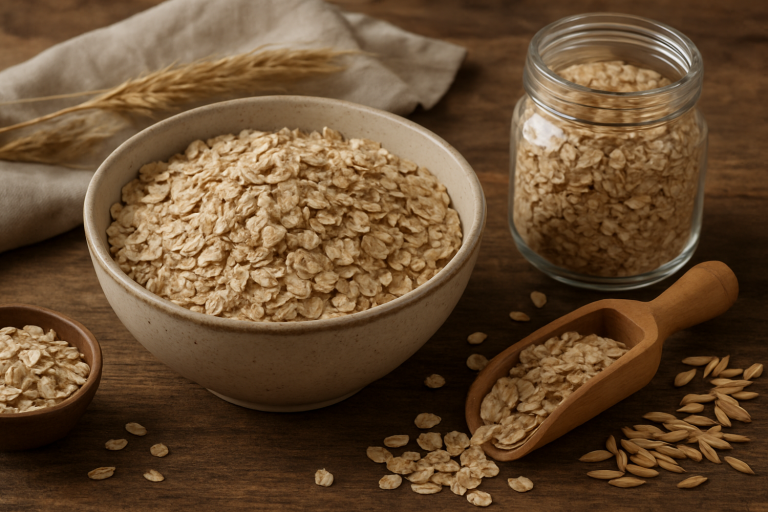
Oat milk is becoming increasingly popular due to its creamy texture and mild natural sweetness. It is produced by blending oats with water and filtering the liquid. Oat milk is widely used in coffee and tea because it blends well without curdling. It also contains fiber and is considered a more environmentally friendly option. - Soy Milk
Soy milk is one of the oldest plant-based milk alternatives and is known for its strong nutritional profile. It is made from soaked and ground soybeans and is rich in protein, making it a close substitute for dairy milk. Soy milk is commonly used in beverages, cooking, and baking due to its balanced taste and texture. - Coconut Milk
Coconut milk is extracted from grated coconut flesh and has a naturally sweet and creamy consistency. It is widely used in cooking, desserts, smoothies, and tropical beverages. Coconut milk is especially popular in Asian cuisines and is valued for its rich flavor.
Plant-Based Milk Market Opportunities
1. Emerging Markets Expansion
- Asia-Pacific, Latin America, and the Middle East present strong growth potential due to rising disposable income, urbanization, and increasing awareness of plant-based nutrition.
2. Product Diversification and Functional Nutrition
- Opportunities exist in Protein-enriched plant milk, Immunity-boosting beverages, Sugar-free and low-calorie variants, Fortified children’s nutrition products
3. Foodservice and Hospitality Integration
- The growing adoption of plant-based milk in cafes, restaurants, and quick-service chains especially for specialty coffee and desserts presents lucrative opportunities.
4. Sustainable Packaging Innovation
- Brands investing in eco-friendly packaging and carbon-neutral production are gaining competitive advantages and attracting sustainability-focused consumers.
Why Plant-Based Milk is Becoming Popular?
Plant-based milk is becoming popular mainly because more people are focusing on healthier and flexible dietary choices. It is naturally lactose-free, making it a suitable option for individuals who have lactose intolerance or dairy allergies. Many plant-based milk varieties are also lower in cholesterol and saturated fats compared to traditional dairy milk. In addition, manufacturers often fortify these beverages with essential nutrients like calcium, vitamin D, and vitamin B12, making them a nutritious alternative for daily consumption.
Another major reason for its rising popularity is increasing environmental and lifestyle awareness. Plant-based milk generally requires fewer natural resources such as water and land and produces lower greenhouse gas emissions than dairy farming. The growing number of vegan and flexitarian consumers, along with the availability of multiple options like almond, oat, soy, and coconut milk, has further boosted demand. Moreover, the expanding use of plant-based milk in coffee, desserts, and packaged beverages is helping it gain widespread acceptance globally.
See Pricing and Personalize Your Report Today: https://www.towardsfnb.com/checkout/6028
Nutritional Benefits of Plant-Based Milk
Plant-based milk offers several nutritional advantages, making it a popular alternative to traditional dairy milk. One of its key benefits is that it is naturally lactose-free, making it suitable for people who are lactose intolerant or have dairy allergies. Many plant-based milk varieties are lower in saturated fat and cholesterol, which supports heart health and helps maintain balanced nutrition. Depending on the source, plant-based milk can also provide essential nutrients such as healthy fats, fiber, and plant-based proteins.
In addition, many manufacturers fortify plant-based milk with important vitamins and minerals such as calcium, vitamin D, vitamin B12, and iron to match or enhance the nutritional value of dairy milk. These nutrients support bone strength, immune function, and overall wellness. Some varieties, like soy and pea milk, offer higher protein content, while oat and almond milk may provide antioxidants and fiber. This combination of nutritional benefits makes plant-based milk a healthy and versatile choice for daily diets.
Plant-Based Milk have Growing Demand in Worldwide
The global demand for plant-based milk is rising steadily as consumer preferences shift toward healthier and more sustainable food choices. Increasing awareness about lactose intolerance, dairy allergies, and overall wellness is encouraging people to explore dairy-free alternatives. Additionally, the growing popularity of vegan and flexitarian diets has significantly influenced purchasing behavior, with many consumers reducing animal-based product consumption while seeking nutritious plant-based options.
Changing lifestyle patterns, urbanization, and rising disposable income are also supporting market expansion, especially in emerging economies. Consumers are becoming more environmentally conscious and prefer products with lower carbon footprints and sustainable production methods. Moreover, the increasing use of plant-based milk in coffee shops, packaged beverages, bakery products, and desserts is further driving global demand. Continuous product innovation, improved taste, and easy availability through supermarkets and online platforms are helping plant-based milk gain widespread acceptance across different regions.
Top Companies in the Plant-Based Milk Market
Danone S.A. (Silk, Alpro)
- Danone is a global leader in plant-based dairy alternatives, offering a wide range of beverages, yogurts, and fermented dairy alternatives. Its strong distribution network and brand recognition give it a dominant market position.
Oatly Group AB
- Oatly specializes in oat milk and has revolutionized the category with barista-focused formulations. The company operates in over 20 countries and emphasizes sustainability and transparent sourcing.
Blue Diamond Growers
- As the world’s largest almond processing company, Blue Diamond offers almond milk variants including standard, extra creamy, and almond-oat blends.
Califia Farms LLC
- Califia Farms focuses on premium plant-based beverages such as oat milk, almond milk, plant-based creamers, and ready-to-drink coffee beverages.
The Hain Celestial Group
- The company produces plant-based milk through European brands such as Lima, Natumi, and Joya, focusing on health and wellness products.
Other Prominent Companies
- SunOpta Inc.
- Nestlé S.A. (Natural Bliss, Wunda)
- Ripple Foods PBC
- Vitasoy International Holdings
- Lactalis Canada
- Earth’s Own Food Company
- Pacific Foods of Oregon (Campbell Soup Co.)
- Chobani, LLC
- Kikkoman Corporation
- Hebei Yangyuan Zhihui Beverage Co., Ltd.
Need Expert Guidance? Schedule a Personalized Session Today: https://www.towardsfnb.com/schedule-meeting
Segmentation Analysis
By Source/Product Type
Almond Milk
- Almond milk dominates the market due to its mild taste, low calorie content, and wide availability. It remains highly popular in North America and Europe.
Oat Milk
- Oat milk is rapidly gaining traction due to its creamy texture and sustainability advantages. It is widely used in coffee beverages and is expected to experience the fastest growth.
Soy Milk
- Soy milk is one of the oldest and most nutritionally balanced plant-based milk alternatives, offering high protein content. It is particularly popular in Asia.
Coconut Milk
- Coconut milk is widely used in culinary applications and flavored beverages, especially in Southeast Asia and tropical regions.
By Formulation/Flavor
- Unflavored/Plain
- Plain plant-based milk is widely used for cooking, baking, and daily consumption.
- Flavored
- Flavored variants such as vanilla and chocolate attract younger consumers and expand product appeal.
By Distribution Channel
- Supermarkets & Hypermarkets
- These channels dominate due to wide product availability and consumer trust.
- Online/E-commerce
- Rapid digital adoption and convenience are fueling significant growth in online plant-based milk sales.
- Convenience Stores
- These stores support impulse purchases and urban consumer accessibility.
By Application
- Direct Beverages
- The largest application segment, driven by daily consumption and coffee usage.
- Bakery & Confectionery
- Plant-based milk is increasingly used in dairy-free baked goods and desserts.
- Ice Cream & Frozen Desserts
- Growing demand for vegan frozen desserts is accelerating plant-based milk utilization.
Regional Analysis
North America
- North America holds a significant market share due to strong vegan trends, health-conscious consumers, and established plant-based brands. The United States leads regional growth with strong retail and foodservice adoption.
Europe
- Europe is a mature and innovation-driven market. Countries such as the United Kingdom, Germany, and Sweden are leading plant-based milk adoption, supported by government sustainability initiatives and consumer awareness.
Asia-Pacific
- Asia-Pacific is expected to witness the fastest growth during the forecast period. High lactose intolerance prevalence, urbanization, and rising disposable incomes are driving market expansion. China, Japan, South Korea, and India are key contributors.
Middle East & Africa (MEA)
- MEA is an emerging market with growing demand for lactose-free and vegan products. Rising health awareness and premium product penetration are boosting growth.
Latin America
- Latin America is experiencing steady growth due to increasing vegan awareness and expanding retail infrastructure, particularly in Brazil and Mexico.
Discover More Insights: https://www.foodbeveragestrategies.com/artificial-sweeteners-market-size/
Future Outlook
The plant-based milk market is entering a high-growth phase fueled by shifting dietary preferences, environmental awareness, and product innovation. With a projected market value of USD 52.99 billion by 2035, the industry presents significant opportunities for manufacturers, retailers, and investors.
Companies that focus on product diversification, sustainability, and regional expansion are likely to gain competitive advantages. As consumer demand continues to evolve, plant-based milk is expected to play a crucial role in shaping the future of the global dairy alternative industry.
Unlock unlimited reports and insights with a yearly membership: https://www.towardsfnb.com/get-an-annual-membership
About Towards FnB
Towards FnB connects food and beverage innovations with intelligence to help global brands tackle their most challenging problems. With over 20 years of expertise, we provide data-driven insights, emerging trends, and strategic solutions that empower businesses in the food and beverage industry. Our tailored reports, in-depth analysis, and actionable strategies help clients stay ahead of the competition and boost profitability.
We offer comprehensive market insights, focusing on sustainability, innovation, and consumer behavior, to help businesses navigate the dynamic food and beverage landscape.
Contact Us https://www.towardsfnb.com/contact-us
Email: sales@towardsfnb.com