Processed Food Market Size, Growth and Trends Analysis
The global processed food market stands as one of the largest and most influential segments of the global food & beverages industry. In 2024, the market reached a valuation of USD 2.09 trillion, driven by rising urbanization, changing lifestyles, and a rapidly growing appetite for convenient and ready-to-eat food options. Looking ahead, the market is projected to expand steadily, growing from USD 2.18 trillion in 2025 to USD 3.23 trillion by 2034, registering a CAGR of 4.48% during 2025 to 2034.


This growth trajectory indicates sustained demand for processed food products across both developed and emerging markets.
Processed Food Market Overview
Processed food includes any food item that has been altered from its natural state for safety, convenience, flavor enhancement, or shelf-life extension. This includes drying, freezing, grinding, extrusion, and other processing technologies.
Key Highlights
- 2024 Market Size: USD 2.09 trillion
- 2034 Forecast: USD 3.23 trillion
- CAGR (2025–2034): 4.48%
Primary Growth Driver: Rising global preference for convenience-oriented food.
The shift toward fast-paced lifestyles, dual-income households, and increasing participation of women in the workforce continues to push the demand for ready-to-eat, ready-to-cook, and packaged food products.
Want to Explore More? Get a Free Sample Report Today!
https://www.towardsfnb.com/download-sample/5627
What is Processed Food Market?
The processed food market refers to the industry that produces and sells foods that have been altered from their natural state through methods such as cooking, freezing, canning, drying, or adding preservatives and flavoring agents. These processes are designed to enhance the food’s shelf life, improve convenience, and make products easier to store, transport, and consume. The market includes a wide range of products such as ready-to-eat meals, canned foods, frozen items, packaged snacks, processed meat, dairy products, and baked goods.
This market has grown significantly due to rising urbanization, busy lifestyles, and increasing consumer preference for convenient and time-saving meal options. Advancements in food processing technologies, improved packaging solutions, and the expansion of retail and e-commerce platforms have made processed foods more accessible and affordable to consumers worldwide. As a result, the processed food market continues to expand as demand increases for both convenience and innovative food products.
Market Growth Factors
1. Urbanization & Busy Lifestyles
- A significant portion of the global population is migrating to urban centers, where hectic routines push consumers toward packaged and processed food options.
2. Increased Purchasing Power
- Rising disposable incomes especially in Asia Pacific, Middle East, and parts of Latin America have increased consumer spending on packaged and convenience goods.
3. Advances in Food Processing Technologies
- freezing,
- extrusion,
- dehydration, and
- food preservation
- have improved food shelf life, quality, and availability across regions.
4. Expansion of the Retail & E-commerce Sector
- Online grocery platforms, hypermarkets, and convenience stores are fueling accessibility and ease of purchasing processed foods.
5. Changing Dietary Trends
- Consumers are increasingly opting for
- fortified foods,
- functional beverages,
- protein-rich processed meat & dairy.
Explore key findings fast through our simplified Table of Contents:
https://www.towardsfnb.com/table-of-content/processed-food-market
Processed Food Market Trends
- Growing preference for clean-label and organic processed foods:
Consumers are increasingly opting for clean-label and organic products, prioritizing transparency in ingredients and production methods. This shift is strengthening brand trust and influencing purchasing decisions, ultimately boosting the demand for processed food products. - Rising number of working women:
As more women join the workforce, time constraints are becoming a major factor in daily meal preparation. This trend is driving greater reliance on convenient, ready-to-eat and ready-to-cook processed foods, contributing significantly to market growth. - Increasing demand for functional and plant-based ingredients:
Health consciousness, sustainability concerns, and cultural preferences are accelerating the adoption of plant-based and functional food products. This growing consumer interest in nutrient-rich, plant-derived ingredients is further expanding the processed food market.
Understanding the Rise of Processed Food Demand in 2025
The processed food market consists of products that have been altered from their natural state through methods such as canning, freezing, cooking, and the use of preservatives. These processes enhance convenience, improve flavor, and extend shelf life. However, processed foods are often associated with lower nutritional value and potential heart-related health concerns.
In 2025, the market experienced rapid growth driven primarily by rising consumer demand for convenience-oriented food products. Changing lifestyles, particularly in urban areas, led to a surge in the consumption of ready-to-eat and ready-to-cook meals. Urbanization played a significant role in reshaping dietary habits, further propelling market expansion.
A major factor supporting this growth is the increasing adoption of advanced freezing and canning techniques. As more consumers prioritize healthy living and seek high-quality foods enriched with essential minerals and vitamins, the popularity of these processing methods has grown. The rise in disposable incomes has also encouraged consumers to spend more on canned and preserved food products, enhancing their market penetration. Additionally, busy modern lifestyles have elevated the demand for convenient food formats. Technological advancements in food processing, innovative packaging solutions, and expanding urban populations are making processed foods more accessible and affordable. Collectively, these trends continue to accelerate consumer demand and drive robust market growth.
How Technology Is Redefining Processed Food Production
Technological innovation is rapidly reshaping the food processing industry, with advanced methods enhancing both product quality and efficiency. Modern processing techniques, including aseptic and high-precision sterilization methods, allow food to be made safe while preserving its natural nutritional value, taste, and aroma. These state-of-the-art processes also enable products to be packaged in sterile environments, reducing or eliminating the need for artificial additives and preservatives to achieve longer shelf life an advantage that is driving higher demand for processed foods.
Furthermore, these innovations support the needs of modern consumers by offering convenient, high-quality food options while minimizing waste. As the industry continues to adopt cutting-edge technologies, processed foods are expected to deliver improved safety, sustainability, and convenience, ultimately revolutionizing market growth in the coming years.
See Pricing and Personalize Your Report Today: https://www.towardsfnb.com/checkout/5627
Market Opportunities
Rising Demand for Healthy & Clean-Label Processed Foods
- Consumers are increasingly health-conscious. Brands can capitalize by offering
- low-sugar,
- low-fat,
- organic,
- preservative-free,
- plant-based processed products.
Growth of Frozen and Ready-to-Eat Meals
- Frozen foods are gaining popularity due to
- extended shelf life,
- convenience for working-class populations,
- increasing cold-chain infrastructure worldwide.
Expansion Across Emerging Markets
- Countries like India, China, Indonesia, Brazil, and South Africa are experiencing
- rapid supermarket penetration
- growing acceptance of packaged foods
- Western dietary influence.
- Product Innovation & Premiumization
Opportunities lie in premium processed foods, such as:
- artisanal dairy products
- gourmet ready-to-eat meals
- high-protein snacks
- Sustainable & Eco-Friendly Packaging
- Companies investing in recyclable and biodegradable packaging will gain competitive advantage as global sustainability pressure increases.
Processed Food Market Top Key Players
The global processed food market is dominated by multinational corporations with strong supply chains and brand visibility.
- Leading Companies
- Tata Consumer Products Limited (India)
- Nestlé (Switzerland)
- General Mills (U.S.)
- PepsiCo, Inc. (U.S.)
- Fonterra Co-operative Group (New Zealand)
- Danone (France)
- Tyson Foods, Inc. (U.S.)
- Unilever (U.K.)
- Kraft Heinz Company (U.S.)
- These companies continuously invest in:
- product innovation,
- supply chain expansion,
- acquisitions & partnerships, and
- sustainability initiatives.
Need Expert Guidance? Schedule a Personalized Session Today:
https://www.towardsfnb.com/schedule-meeting
Market Segmentation Analysis
By Type
- Secondary Processed Food
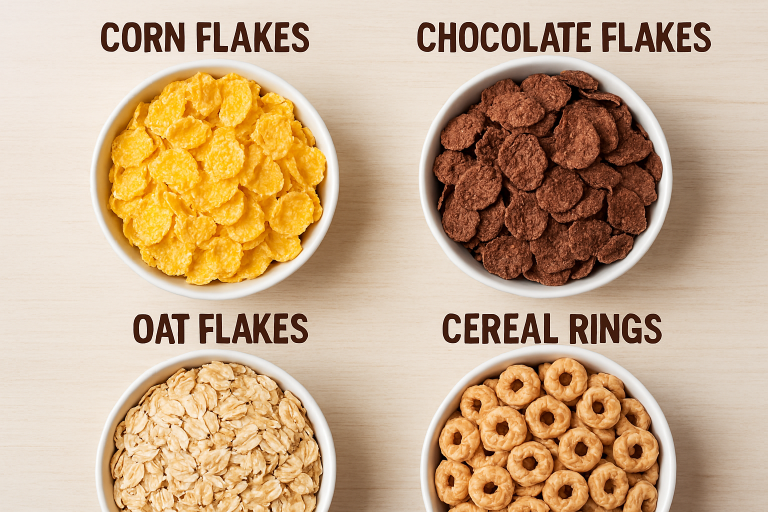
- packaged cereals
- cheese
- canned vegetables
- breads
- High demand due to convenience and affordability.
Ultra-Processed Food
- soft drinks
- snacks
- frozen meals
- confectionery
This segment is growing rapidly, driven by youth consumption trends.
By Technology
Drying
- Common for fruits, vegetables, spices, and instant foods.
- Extrusion
- Used in producing:
- breakfast cereals
- snacks
- pasta
- Freezing
- One of the fastest-growing segments due to RTE/RTC meals.
- Grinding
- Critical for meat products, dairy, cereals, and spices.
- Others
- Includes sterilization, pasteurization, fermentation, and sealing technologies.
C. By Product
Fruits & Vegetables
- Rising due to demand for frozen and dehydrated fruits & veggies.
Grains & Cereals
- pasta
- ready-to-eat cereals
- flour-based products
Dairy
- Strong hold due to:
- cheese
- yogurt
- milk powders
Meat & Poultry
- frozen meat
- processed poultry
- sausages and canned meats
Others
- bakery
- condiments
- confectionery
- ready meals
Regional Insights
North America
Market Characteristics:
- One of the largest consumers of ultra-processed foods
- Strong prevalence of ready-to-eat meals and packaged snacks
- High innovation in plant-based processed products
- Key Countries: U.S., Canada
Europe
- Strong regulatory framework (EFSA) promoting safer processing
- High demand for organic and clean-label processed foods
- Increasing popularity of vegan processed foods
- Key Countries: Germany, U.K., France, Italy
Asia Pacific (Fastest-Growing Market)
- Expanding middle class population
- Rapid urbanization
- Changing dietary preferences
- Strong growth in supermarkets and e-commerce
- Key Countries: China, India, Japan, South Korea
Middle East & Africa
- Growing western food influence
- Increasing demand for packaged dairy, meat, and bakery
- Developing cold chain infrastructure
- Key Countries: UAE, Saudi Arabia, South Africa
Latin America
- Rising demand for processed meat and dairy
- Growing disposable income
- Strong penetration of multinational brands
- Key Countries: Brazil, Mexico, Argentina
Discover More Insights: https://www.foodbeveragestrategies.com/erythritol-market-size/
Future Outlook
The global processed food market is on a steady upward trajectory, driven by shifting consumer lifestyles, technological advancements, and globalization of food supply chains. As demand for convenience continues to grow, companies that innovate in healthier, sustainable, and premium product categories will be best positioned for long-term success.
With strong market fundamentals and huge opportunities in emerging markets, the processed food industry is poised for substantial expansion through 2034.
Get unlimited access to reports and insights with an annual membership: https://www.towardsfnb.com/get-an-annual-membership
About Food Beverage Strategies
Food Beverage Strategies connects food and beverage innovations with intelligence to help global brands tackle their most challenging problems. With over 20 years of expertise, we provide data-driven insights, emerging trends, and strategic solutions that empower businesses in the food and beverage industry. Our tailored reports, in-depth analysis, and actionable strategies help clients stay ahead of the competition and boost profitability.
We offer comprehensive market insights, focusing on sustainability, innovation, and consumer behavior, to help businesses navigate the dynamic food and beverage landscape.