Vegan Cheese Market Size, Trends, Opportunities and Dynamics
The global vegan cheese market size is estimated at USD 3.85 billion. The market is expected to grow from USD 4.19 billion in 2026 to nearly USD 9.07 billion by 2035, registering a robust compound annual growth rate (CAGR) of 8.95% during the forecast period from 2026 to 2035.
The growing demand for plant-based food products, rising lactose intolerance, and increasing awareness of environmental and animal welfare issues are significantly driving market expansion. Continuous product innovation, particularly in taste, melting properties, and clean-label formulations, is further accelerating adoption across both retail and foodservice channels.

Vegan Cheese Market Overview
The global vegan cheese market is undergoing a strong transformation, driven by shifting consumer preferences toward plant-based diets, sustainability, and ethical food consumption. Vegan cheese, made from non-dairy sources such as nuts, soy, and plant oils, has evolved significantly in taste, texture, and functionality, making it a viable alternative to traditional dairy cheese.
With increasing acceptance across retail and foodservice sectors and expanding opportunities in emerging markets, vegan cheese is transitioning from a niche alternative to a mainstream food category. Companies that focus on taste, functionality, clean-label ingredients, and strategic distribution are likely to lead the next phase of market expansion.
Want to Explore More? Get a Free Sample Report Today!
https://www.towardsfnb.com/download-sample/6026
What is Vegan Cheese?
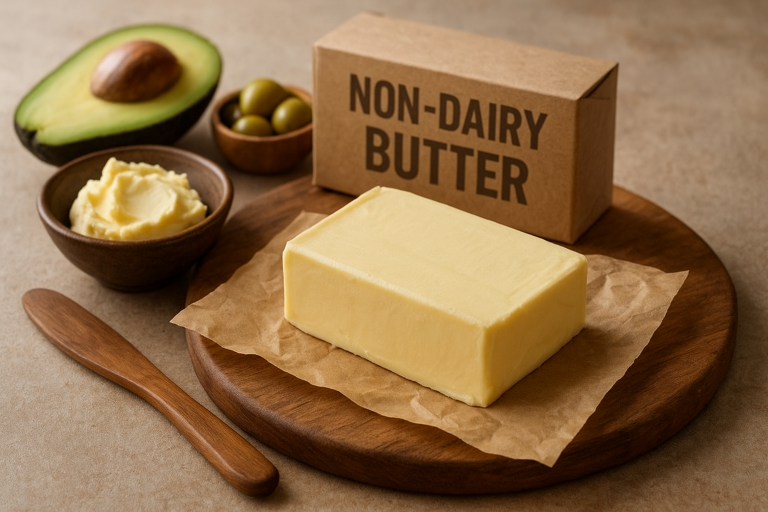
Vegan cheese is a dairy-free alternative to traditional cheese made entirely from plant-based ingredients rather than animal milk. It is designed to replicate the taste, texture, and functionality of conventional cheese while aligning with vegan, lactose-free, and dairy-free diets. Instead of cow’s milk, vegan cheese is commonly produced from plant sources such as cashews, almonds, soy, coconut, oats, or peas. These ingredients are blended with natural oils, starches, cultures, and flavoring agents to achieve creamy textures, meltability, and savory “cheesy” flavors. Some premium vegan cheeses also use fermentation techniques, similar to traditional cheesemaking, to enhance flavor complexity.
Vegan cheese is popular among people who follow vegan or vegetarian lifestyles, are lactose intolerant, have dairy allergies, or prefer sustainable and ethical food choices. It is available in various forms, including slices, shreds, blocks, spreads, and sauces, and is widely used in pizzas, sandwiches, pasta dishes, and snacks.
Vegan Cheese Market Growth Factors
Rising Demand for Plant-Based Diets
- The surge in vegan, vegetarian, and flexitarian lifestyles worldwide is a primary growth driver. Consumers are increasingly reducing dairy intake due to health concerns, ethical beliefs, and sustainability considerations, boosting demand for dairy-free cheese alternatives.
Ethical and Sustainable Consumption Trends
- Ethical consumption, including animal welfare and reduced carbon footprints, is shaping purchasing decisions. Vegan cheese products typically have a lower environmental impact compared to dairy cheese, making them appealing to environmentally conscious consumers.
Increasing Lactose Intolerance and Dairy Allergies
- A significant portion of the global population suffers from lactose intolerance or dairy allergies. Vegan cheese provides a suitable alternative without compromising flavor or functionality, expanding its consumer base.
Product Innovation and Improved Sensory Profiles
- Manufacturers are heavily investing in R&D to improve texture, meltability, and flavor. Advances in fermentation, nut-based formulations, and clean-label ingredients are helping vegan cheese closely replicate traditional dairy cheese.
Expansion of Foodservice and Retail Availability
- Vegan cheese is increasingly featured in restaurants, fast-food chains, cafés, and ready-to-eat meals. Wider availability across supermarkets, specialty stores, and online platforms is also contributing to market growth.
Role of Technology in Vegan Cheese Production
Technology plays a crucial role in the production of vegan cheese by improving taste, texture, nutrition, scalability, and consistency, helping plant-based cheese move from a niche alternative to a mainstream food category.
- One of the most important advancements is fermentation and culture technology. Modern vegan cheese producers use precision fermentation and traditional culturing techniques with plant-based milks to develop complex, dairy-like flavors. This process enhances umami notes, improves aroma, and creates aged and artisanal vegan cheeses that closely resemble conventional cheese in depth and mouthfeel.
- Another key area is ingredient and formulation technology. Advances in plant protein processing, fat structuring, and emulsification allow manufacturers to achieve better meltability, stretch, and creaminess. Technologies using cashews, almonds, coconut oil, soy, peas, and oats combined with stabilizers and natural enzymes help replicate the functional properties of dairy cheese while maintaining clean-label standards.
- Finally, processing, automation, and quality-control technologies enable large-scale, consistent production. AI-driven monitoring systems, smart manufacturing equipment, and automated packaging ensure uniform quality, improved shelf life, and reduced waste. Together, these technological innovations are making vegan cheese more affordable, flavorful, and widely available, driving its rapid adoption across global markets.
Types of Vegan Cheese Available
There are several types of vegan cheese available today, each designed to mimic traditional cheese styles in flavor, texture, and culinary use. These varieties cater to diverse tastes and cooking needs from slicing and melting to spreading and grating.
1. Block and Sliced Cheese
These are firm or semi-firm vegan cheeses that can be sliced for sandwiches, burgers, or charcuterie boards. Common varieties include:
-
Vegan Cheddar-style
-
Vegan Swiss-style
-
Vegan Gouda-style
These are often made from nut bases such as cashews or almonds, or from coconut oil blends.
2. Shredded and Grated Cheese
Shredded vegan cheeses are popular for toppings on pizzas, pasta, baked dishes, and salads. They’re formulated to melt and stretch, with options like:
-
Vegan Mozzarella
-
Vegan Parmesan-style shreds
These often use starches or tapioca to enhance meltability.
3. Spreadable & Cream Cheese Alternatives
Soft and creamy vegan cheeses designed for spreading on bagels, crackers, or using in dips. Examples include:
-
Vegan Cream Cheese
-
Herb-flavored spreads
These are typically made from blended nuts (e.g., cashews) or tofu.
4. Artisan & Aged Vegan Cheese
Crafted to replicate the depth of flavor found in traditional aged cheeses. These often use fermentation and cultures similar to dairy cheesemaking, producing:
-
Vegan Blue-style
-
Vegan Brie-style
-
Vegan Camembert-style
Artisan varieties offer richer, complex tastes ideal for gourmet cheese boards.
5. Soft & Fresh Cheeses
These are mild, creamy alternatives suited for immediate consumption in dishes or as toppings:
-
Vegan Ricotta-style
-
Vegan Feta-style
They work well in salads, pasta fillings, and Mediterranean dishes.
See Pricing and Personalize Your Report Today: https://www.towardsfnb.com/checkout/6026
Consumer Demand for Vegan Cheese
Consumer demand for vegan cheese is rising sharply as eating habits, health priorities, and values evolve across global demographics. What was once a niche product for strict vegans has now become a mainstream alternative embraced by a much wider audience.
- A key driver of demand is the growing number of health-conscious consumers. Many people are seeking dairy-free options due to lactose intolerance, dairy sensitivities, or concerns about saturated fat and cholesterol. Vegan cheese provides a familiar, enjoyable way to reduce or eliminate dairy without giving up the foods and flavors they love. This has broadened its appeal beyond traditional vegan and vegetarian groups to include flexitarians people who consciously eat less animal-based foods for health or lifestyle reasons.
- Another significant factor is the increasing focus on sustainability and ethical food choices. More consumers, especially younger generations, are choosing products that align with environmental and animal welfare values. Vegan cheese, with its plant-based ingredient base and often lower carbon footprint compared to dairy cheese, fits well with this mindset. Meanwhile, improvements in taste, texture, and melting performance thanks to innovation in plant proteins and fermentation processes have made vegan cheese far more attractive and acceptable for everyday use, further boosting consumer demand.
Vegan Cheese Market Opportunities
Growth in Emerging Markets
- Asia Pacific, Latin America, and the Middle East & Africa present untapped growth potential due to rising urbanization, increasing disposable incomes, and growing awareness of plant-based diets.
Premium and Artisanal Vegan Cheese
- There is strong demand for premium, artisanal, and fermented vegan cheese products. Consumers are willing to pay higher prices for gourmet offerings with authentic taste and clean ingredients.
B2B and Foodservice Partnerships
- Partnerships with restaurants, pizza chains, hotels, and institutional foodservice providers present lucrative opportunities for manufacturers to scale volumes and enhance brand visibility.
Innovation in Functional and Nutritional Cheese
- Opportunities exist to develop fortified vegan cheeses with added protein, calcium, probiotics, and vitamins to address nutritional gaps and attract health-focused consumers.
Why Vegan Cheese is Gaining Popularity?
Vegan cheese is gaining popularity because it aligns with changing consumer lifestyles, health awareness, and sustainability concerns, while steadily improving in taste and quality.
- One major reason is the rise of plant-based and flexitarian diets. More consumers are reducing dairy intake due to lactose intolerance, dairy allergies, or digestive issues, and vegan cheese offers a convenient alternative without sacrificing familiar food experiences. Growing awareness of cholesterol, saturated fat, and clean-label ingredients also supports this shift.
- Another key factor is ethical and environmental consciousness. Consumers are increasingly concerned about animal welfare and the environmental impact of dairy farming, including greenhouse gas emissions and water usage. Vegan cheese typically has a lower environmental footprint, making it attractive to sustainability-focused buyers.
- Finally, rapid product innovation has significantly improved flavor, texture, and melting properties. Advances in fermentation, nut-based formulations, and ingredient technology have made vegan cheese more appealing for everyday use from pizzas and sandwiches to gourmet cheese boards helping it move from a niche product to a mainstream food choice.
Top Companies in the Vegan Cheese Market
Daiya Foods
- Daiya Foods is a leading vegan cheese producer globally. The brand is widely celebrated for its authentic melting properties and cheesy taste, making it a dominant choice for pizzas, pasta, and comfort foods. Daiya’s continuous product innovation has helped it maintain strong market leadership.
Miyoko’s Creamery
- Miyoko’s Creamery has pioneered artisanal vegan cheese, specializing in plant-milk fermentation. The brand offers a diverse product range suitable for sandwiches, cooking, and premium cheese platters, earning strong loyalty among gourmet and health-conscious consumers.
Other Key Companies
- Flora Food Group (Violife)
- Kite Hill
- Follow Your Heart
- Treeline Cheese
- Tofutti Brands, Inc.
- Parmela Creamery
- Nush Foods
- GOOD PLANeT Foods
These players focus on expanding product portfolios, improving taste and texture, and strengthening distribution networks to gain competitive advantage.
Need Expert Guidance? Schedule a Personalized Session Today: https://www.towardsfnb.com/schedule-meeting
Segmentation Analysis
By Product Type
- Mozzarella
Widely used in pizzas and Italian cuisine, mozzarella holds a significant market share due to high foodservice demand. - Cheddar
Popular for sandwiches and snacks, cheddar-style vegan cheese is gaining traction for its sharp flavor profile. - Parmesan
Often used as a topping or seasoning, vegan parmesan appeals to health-conscious consumers seeking dairy-free alternatives. - Ricotta
Increasingly used in baked goods and pasta dishes, offering growth opportunities in home cooking and foodservice. - Cream Cheese
High demand for spreads and dips is driving strong growth in this segment. - Others
Includes specialty cheeses such as blue cheese, feta-style, and blends.
By Source
- Soy
One of the earliest and most widely used sources due to affordability and protein content. - Almond
Preferred for its mild flavor and clean-label appeal. - Coconut
Popular for its creamy texture and melting properties, especially in mozzarella-style products. - Cashew
Widely used in premium and artisanal vegan cheeses for rich taste and smooth texture. - Others
Includes oats, rice, and pea protein, supporting product diversification.
By Distribution Channel
- B2C (Business-to-Consumer)
Dominates the market through supermarkets, specialty stores, and online platforms. - B2B (Business-to-Business)
Rapidly growing due to increasing adoption in restaurants, cafés, hotels, and food manufacturers.
Regional Analysis
North America
- North America holds the largest share of the vegan cheese market, driven by high adoption of plant-based diets, strong presence of key manufacturers, and widespread availability across retail and foodservice channels.
Europe
- Europe is a mature and fast-growing market, supported by strong vegan culture, government support for sustainable food systems, and high consumer awareness regarding animal welfare and climate impact.
Asia Pacific
- Asia Pacific is expected to witness the fastest growth during the forecast period. Rising health awareness, urbanization, and increasing lactose intolerance are key drivers, particularly in countries such as China, India, Japan, and Australia.
Middle East & Africa (MEA)
- The MEA region is gradually emerging, driven by growing health consciousness, expanding retail infrastructure, and increasing interest in plant-based nutrition among urban consumers.
Latin America
- Latin America shows promising growth potential due to changing dietary habits, rising vegan populations, and increasing availability of plant-based products in major economies like Brazil and Mexico.
Discover More Insights: https://www.foodbeveragestrategies.com/ai-in-beverages-market-size/
Future Outlook
The global vegan cheese market is set for strong and sustained growth over the next decade, fueled by evolving consumer lifestyles, ethical consumption trends, and continuous innovation in product quality. With increasing acceptance across retail and foodservice sectors and expanding opportunities in emerging markets, vegan cheese is transitioning from a niche alternative to a mainstream food category. Companies that focus on taste, functionality, clean-label ingredients, and strategic distribution are likely to lead the next phase of market expansion.
Unlock unlimited reports and insights with a yearly membership: https://www.towardsfnb.com/get-an-annual-membership
About Towards FnB
Towards FnB connects food and beverage innovations with intelligence to help global brands tackle their most challenging problems. With over 20 years of expertise, we provide data-driven insights, emerging trends, and strategic solutions that empower businesses in the food and beverage industry. Our tailored reports, in-depth analysis, and actionable strategies help clients stay ahead of the competition and boost profitability.
We offer comprehensive market insights, focusing on sustainability, innovation, and consumer behavior, to help businesses navigate the dynamic food and beverage landscape.
Contact Us https://www.towardsfnb.com/contact-us
Email: [email protected]