Vegan Margarine Market Size, Growth Drivers, and Analysis 2025-2034
The global vegan margarine market is on a steady growth trajectory, with its value reaching USD 1.45 billion in 2024 and expected to rise from USD 1.54 billion in 2025 to approximately USD 2.65 billion by 2034, expanding at a CAGR of 6.2% during the forecast period from 2025 to 2034. This growth is primarily driven by the increasing consumer demand for plant-based, health-conscious, and dairy-free alternatives to traditional margarine and butter spreads. As more people embrace veganism, flexitarian diets, and sustainable food options, the vegan margarine market is becoming a key player in the broader plant-based food industry.
In this blog, we’ll dive deep into the key growth drivers, opportunities, top companies in the vegan margarine space, and a breakdown of the market segmentation along with regional insights.


Vegan Margarine Market Overview
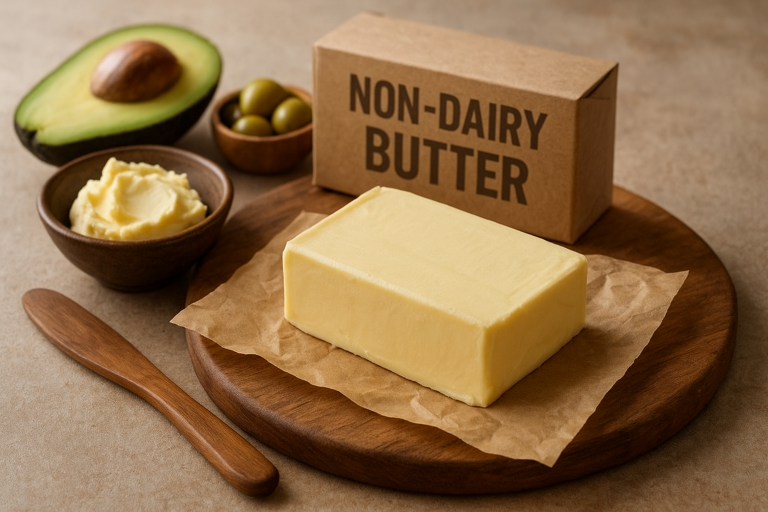
Vegan margarine is a plant-based alternative to traditional margarine, typically made from vegetable oils such as palm oil, sunflower oil, canola oil, and coconut oil. It is free from animal-based ingredients like dairy, making it suitable for vegan, lactose-intolerant, and health-conscious consumers. Vegan margarine is gaining popularity due to the growing awareness of the health risks associated with excessive dairy consumption and the increasing demand for sustainable and plant-based food options.
The rising awareness of the environmental impact of animal agriculture, coupled with the health benefits of reducing dairy intake, has led to an upswing in the adoption of plant-based spreads. Additionally, vegan margarine products are often lower in saturated fat and free from cholesterol, which further appeals to health-conscious consumers.
Want to Explore More? Get a Free Sample Report Today!
https://www.towardsfnb.com/download-sample/5926
What is the Vegan Margarine Market?
The vegan margarine market focuses on plant-based spreads made entirely from vegetable oils and water, with no animal-derived ingredients like milk, butter, casein, or whey. These dairy-free alternatives to traditional margarine are typically crafted from oils such as canola, corn, or soybean, combined with emulsified fats, water, or plant-based milk. To replicate the taste and texture of dairy butter, additional ingredients like natural flavorings, colorings, plant-based emulsifiers, and salt are often included.
The global market for vegan margarine is driven by a rising consumer preference for healthier, clean-label products that are lower in saturated fat and cholesterol-free. This growth is further fueled by the increasing number of flexitarian, vegetarian, and vegan consumers. Additionally, technological advancements have improved the quality and functionality of these spreads, while growing ethical and environmental awareness encourages demand for sustainably sourced, organic, and non-GMO products. The continued shift toward plant-based diets, along with the trend toward premium, high-quality options, is also propelling the expansion of the vegan margarine market.
Market Growth Drivers
Several factors are driving the growth of the vegan margarine market:
Rising Popularity of Plant-Based Diets
- The adoption of plant-based and flexitarian diets is becoming more widespread as people look for alternatives to animal-based products. Veganism, driven by ethical, environmental, and health reasons, is a significant factor influencing the demand for plant-based alternatives. Vegan margarine, being free from animal fats, has become a staple in plant-based kitchens, contributing to the growth of the market.
Health-Conscious Consumer Behavior
- With the increasing focus on health and wellness, consumers are seeking low-cholesterol, low-saturated-fat, and plant-based options to replace traditional butter and margarine. Vegan margarine is positioned as a healthier alternative, appealing to consumers looking to reduce their intake of animal fats and embrace heart-healthy fats, such as those from vegetable oils.
Environmental and Ethical Concerns
- Many consumers are driven by environmental sustainability and ethical concerns about animal welfare. The production of plant-based margarine has a significantly lower environmental footprint compared to animal-based margarine or butter. This aligns with the growing eco-conscious consumer base, making vegan margarine an attractive option for those looking to reduce their carbon footprint.
Increased Availability and Variety
- As consumer demand rises, brands have responded by increasing the variety of vegan margarine products available in the market. Today, consumers can find vegan margarine in a range of flavors (salted, unsalted), and many brands offer options with additional benefits, such as organic ingredients, allergen-free formulations, and clean-label products. The growth in specialty stores, e-retailers, and supermarkets has made vegan margarine more accessible to a wide audience.
Product Innovation
- Companies are continuously innovating and expanding their vegan margarine offerings to cater to diverse consumer preferences. These innovations include the development of margarine blends with omega-3 fatty acids, vitamin D, and other functional ingredients, as well as flavored options like garlic, herbs, and spices. Such innovations contribute to the overall market growth by attracting health-conscious consumers seeking functional and flavorful spreads.
Vegan Margarine Market Trends
- Rise of plant‑based and vegan diets: More consumers are shifting to flexitarian, vegetarian and vegan lifestyles, driving demand for non‑dairy spreads.
- Clean‑label and healthier formulation: There’s growing interest in vegan margarines that are non‑GMO, organic, free from hydrogenated fats and lower in saturated fat.
- Expansion in applications: Vegan margarines are increasingly used not just for spreading, but also in baking, cooking, and foodservice kitchens, broadening their appeal.
- Premiumisation and product innovation: Brands are launching flavoured variants (e.g., coconut, olive), fortified spreads, and texture/taste improvements to mimic butter better.
- E‑commerce and omnichannel distribution growth: Online retail, specialty stores and mainstream supermarkets are all playing a bigger role in making vegan margarines more accessible.
- Sustainability and ethical sourcing: Consumers are increasingly looking for spreads that use sustainably‑sourced oils, ethical supply chains, and environmentally friendly packaging.
- Regional growth dynamics: While North America and Europe remain leaders in the segment, Asia‑Pacific and other emerging markets are showing faster growth due to rising awareness and disposable incomes.
- Challenges in cost and perception: Despite the growth, issues such as higher manufacturing costs, taste/texture comparisons with butter, and limited awareness in some regions persist.
Which Vegan Margarine is Famous?
One of the most famous vegan margarine brands is Earth Balance, which has gained significant popularity for its plant-based spreads that serve as a dairy-free alternative to traditional butter. Earth Balance offers a variety of vegan margarine products, including buttery spreads, sticks, and organic options. Known for its smooth texture and rich flavor, it is widely used for spreading, baking, and cooking, making it a go-to choice for vegan and dairy-free consumers. The brand has built a strong reputation for creating high-quality, plant-based alternatives that closely mimic the taste and performance of butter.
Another well-known vegan margarine brand is Miyoko’s Creamery, which specializes in organic, vegan butter made from ingredients like cashews and coconut oil. Miyoko’s products are prized for their premium quality, rich flavor, and versatility in both sweet and savory recipes. The brand has made a name for itself by emphasizing sustainable, ethically sourced ingredients and appealing to health-conscious and environmentally aware consumers. Both Earth Balance and Miyoko’s have become leading names in the vegan margarine market, known for their innovation and commitment to offering delicious, dairy-free alternatives.
Explore key findings fast through our simplified Table of Contents:
https://www.towardsfnb.com/table-of-content/vegan-margarine-market
Innovative Technologies Shaping the Vegan Margarine Market
Key technological shifts in the vegan margarine market are driving improvements in nutritional value, flavor, texture, and sustainability. One of the most notable innovations is the use of oleogels and interesterification processes, which help create low-saturated-fat products while maintaining desirable consistency and spreadability. These technologies enable the creation of vegan margarines that replicate the mouthfeel and functionality of traditional butter, offering a more satisfying consumer experience. Manufacturers are also experimenting with novel plant-based oils, such as avocado, flaxseed, and coconut oils, to enhance the flavor profile and nutritional content of the spreads.
In addition to improvements in product formulation, there is a significant push toward sustainable sourcing and non-GMO ingredients. As consumers become more environmentally conscious, there is growing demand for clean-label, organic, and eco-friendly options. To meet this demand, companies are increasingly adopting green manufacturing practices, ensuring traceability and transparency in their supply chains. Furthermore, advancements in processing methods, such as cold-pressing and microencapsulation, are enabling the preservation of the natural flavors and nutrients found in plant oils, improving the overall quality of vegan margarine products. These technological innovations not only contribute to a better product but also align with the rising global demand for plant-based, healthier, and more sustainable food options, positioning the market for continued growth in the coming years.
Opportunities in the Vegan Margarine Market
The vegan margarine market presents numerous opportunities for growth:
1. Growth in Emerging Markets
Asia-Pacific and Latin America are witnessing significant growth in the adoption of plant-based foods. With increasing incomes, urbanization, and awareness about health and sustainability, these regions present substantial growth potential for vegan margarine. As more consumers adopt vegan and plant-based diets, the demand for dairy-free and healthy margarine alternatives will rise.
2. Expansion of Organic and Allergen-Free Products
Consumers are increasingly seeking organic, gluten-free, and allergen-free products. Vegan margarine brands that cater to these needs are well-positioned to capitalize on this demand. The organic trend, in particular, is growing rapidly, with consumers preferring products that are free from pesticides and synthetic additives.
3. Rising Demand for Clean-Label Products
Clean-label products, which contain minimal ingredients and no artificial additives, are gaining popularity. Vegan margarine brands that emphasize transparency in ingredients and focus on natural, high-quality plant-based oils can attract a loyal consumer base seeking healthier and more natural alternatives.
4. Vegan and Plant-Based Food Service Expansion
As more restaurants, cafes, and foodservice businesses cater to vegan and plant-based diets, there is a growing opportunity for vegan margarine in the food service industry. Vegan margarine can be used in cooking, baking, and as a spread, making it a versatile ingredient in plant-based menus.
Top Companies in the Vegan Margarine Market
Several key players are leading the vegan margarine market by focusing on innovation, sustainability, and catering to the growing demand for plant-based products:
- Compassionate Choices Pvt. Ltd. (India)
- PT Sinar Mas Agro Resources and Technology Tbk (Indonesia)
- Amarlane Foods (Israel)
- Earth Balance (U.S.)
- Flora Food Group (Netherlands)
- Naturli’ Foods A/S (Denmark)
- Miyoko’s Kitchen (U.S.)
- Danone S.A. (France)
- Daiya Foods (Canada)
- Melt Organic (U.S.)
Need Expert Guidance? Schedule a Personalized Session Today:
https://www.towardsfnb.com/schedule-meeting
Market Segmentation
The global vegan margarine market is segmented based on nature, flavor, application, and region.
By Nature:
- Conventional: These margarines are made from standard plant oils and are widely available in supermarkets and convenience stores.
- Organic: Organic vegan margarine is made from certified organic ingredients, free from synthetic pesticides and fertilizers. These products cater to the growing demand for organic food.
By Flavor:
- Salted: Salted vegan margarine is the most common variety, widely used for spreading on bread or cooking.
- Unsalted: Unsalted margarine is preferred by consumers looking to control their sodium intake or for specific culinary applications.
By Application:
- B2B (Supermarket/Hypermarket): Vegan margarine is commonly sold through supermarkets and hypermarkets, which offer a wide range of products to consumers.
- B2C (Convenience Store, Specialty Store, E-Retailers): Direct-to-consumer channels, including e-retailers and specialty stores, have seen a significant rise in sales due to the convenience of online shopping and the growing trend of veganism.
- Others: This includes foodservice applications, where vegan margarine is used in restaurants, cafes, and catering businesses.
Regional Insights
- North America: The U.S. is a major market for vegan margarine, driven by the growing number of plant-based consumers and the increasing availability of vegan products in supermarkets and online.
- Europe: Europe is a key market, with countries like the U.K., Germany, and France leading the demand for vegan margarine due to the popularity of plant-based diets and sustainable food choices.
- Asia Pacific: The demand for vegan margarine is growing in countries like India, Japan, and China as plant-based diets become more mainstream and health-conscious eating habits increase.
- Middle East and Africa (MEA): The MEA region is experiencing gradual growth in plant-based food products, including vegan margarine, driven by rising awareness of healthy and ethical food options.
- Latin America: The Latin American market for vegan margarine is still emerging, but there is significant potential due to the rising popularity of plant-based foods.
Discover More Insights: https://www.foodbeveragestrategies.com/meat-snacks-market-size/
Future Outlook
The vegan margarine market is poised for significant growth, driven by the increasing demand for plant-based, sustainable, and health-conscious alternatives to traditional dairy spreads. With a projected CAGR of 6.2% from 2025 to 2034, the market is expanding rapidly across various regions, driven by changing consumer preferences toward plant-based diets and ethical sourcing. Key players like Earth Balance, Flora, and Miyoko’s Kitchen are at the forefront of this market, offering a variety of innovative and sustainable products to meet the growing demand.
As the market continues to evolve, there will be more opportunities for product innovation, especially in the areas of organic, allergen-free, and clean-label vegan margarine, which will cater to an increasingly health-conscious and environmentally aware consumer base.
Get unlimited access to reports and insights with an annual membership: https://www.towardsfnb.com/get-an-annual-membership
About Food Beverage Strategies
Food Beverage Strategies connects food and beverage innovations with intelligence to help global brands tackle their most challenging problems. With over 20 years of expertise, we provide data-driven insights, emerging trends, and strategic solutions that empower businesses in the food and beverage industry. Our tailored reports, in-depth analysis, and actionable strategies help clients stay ahead of the competition and boost profitability.
We offer comprehensive market insights, focusing on sustainability, innovation, and consumer behavior, to help businesses navigate the dynamic food and beverage landscape.